Top 10 Outdoor Play Park Equipment for Creative Play?
Outdoor Play Park Equipment plays a crucial role in children's development. According to a report from the International Play Equipment Manufacturers Association (IPEMA), active play is essential for physical and social growth. Research shows that children engaged in active play exhibit improved motor skills and social interactions. This highlights the significance of thoughtfully designed outdoor equipment.
Expert Mary Johnson, a leading authority in child development, emphasizes, "Quality outdoor play park equipment inspires creativity and physical activity." Her insights remind us that the right equipment can foster engagement and exploration. However, not all equipment meets this standard, and some may fall short in promoting safe and fun play experiences.
The market for outdoor play park equipment continues to evolve, yet challenges remain. Many parks lack updated equipment, limiting children's access to beneficial play. The need for innovation is clear, as some manufacturers continue to focus on aesthetics over functionality. Balancing safety and creativity is vital for effective outdoor play solutions. As we explore the top ten outdoor play park equipment options, reflecting on these elements helps us create better environments for our children.
Essential Features of Outdoor Play Park Equipment for Creative Play
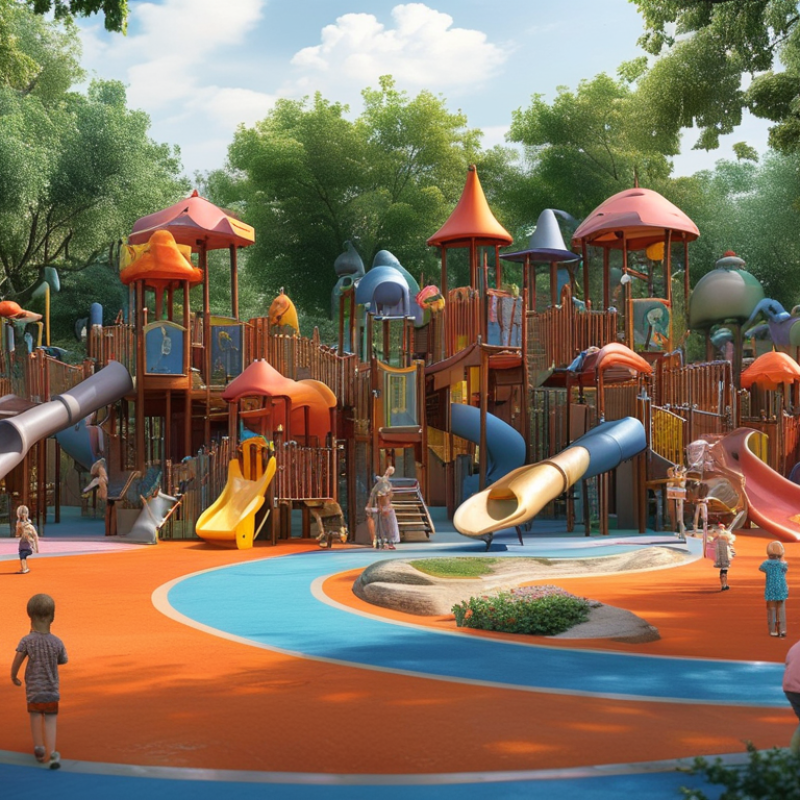
When choosing outdoor play park equipment for creative play, several essential features are vital for promoting child development. Safety is paramount; equipment should be free from sharp edges and made of durable, non-toxic materials. According to a study by the American Society for Testing and Materials, proper safety standards reduce injury risks by 60%. Equipment height and stability are equally important. Kids should have the freedom to explore without excessive fear of falling.
Engagement in creative play is enhanced by versatile equipment. Structures that encourage climbing, sliding, and imaginative role-playing foster diverse interactions among children. Research from the International Playground Contractors Association highlights that multi-functional play structures can increase outdoor playtime by 35%. Colorful designs and themed playgrounds stimulate creativity and curiosity, inspiring children to invent their games.
Consider incorporating areas for quiet play or sensory experiences within the park. These spots allow children to process stimuli and recharge. Balancing high-energy activities with calm zones can significantly improve the overall play experience. Reflect on how your equipment choices impact kids’ physical and emotional development. Remember, active involvement in designing play spaces can lead to enhanced social skills and lifelong friendships.
Types of Equipment That Inspire Imagination in Children
When it comes to outdoor play, equipment can spark creativity in children. Unique climbing structures open up a world of exploration. Children can imagine scaling mountains or journeying through a jungle. Balance beams inspire them to become tightrope walkers. Every wobble teaches them control and focus, essential skills for life.
Slides are another excellent option. They offer thrilling speed that excites young minds. Swings create a sense of flight and freedom. Kids can imagine soaring through the clouds. Equipment with interactive elements, like spinners, enhances sensory experiences. Children learn to collaborate while pushing each other and sharing laughs.
However, not all equipment guarantees imaginative play. Some structures may seem bland or limiting. They fail to encourage creative movements. It's vital to choose designs that invite curiosity. Children need spaces that challenge them and offer varying experiences. Reflecting on playtime can lead to improved environments for creativity.
Top 10 Outdoor Play Park Equipment for Creative Play
Safety Considerations for Choosing Outdoor Play Park Equipment
When selecting outdoor play park equipment, safety is paramount. Always consider the age group that will be using the equipment. Different age ranges need different types of equipment. For example, younger children require softer surfaces, like rubber mats, to minimize injury during falls. Older kids may enjoy more challenging structures, but proper safety measures are just as crucial.
Inspect materials carefully. Equipment should be made from non-toxic, sturdy materials to ensure durability and child safety. Check for sharp edges or protrusions. Regular maintenance is also essential. Inspecting equipment regularly can help identify wear and tear. This can prevent accidents before they happen.
Consider the layout of the park. Adequate space between equipment allows for safer play and reduces the risk of collisions. Ideally, there should be clear sightlines for supervising adults. It’s worth considering how equipment can encourage imaginative play. But safety must never take a back seat. Balancing creativity with solid safety measures can be a challenge. Always reflect on how equipment choices align with safety standards and kids’ needs.
Top 10 Outdoor Play Park Equipment for Creative Play
| Equipment |
Age Group |
Material |
Safety Rating |
Features |
| Swing Set |
3-12 years |
Metal/Wood |
ASTM compliant |
Multiple swings, adjustable height |
| Climbing Structure |
5-12 years |
Plastic/Steel |
CPSC certified |
Creative design, different climbing surfaces |
| Slide |
2-10 years |
Plastic |
Meets EN1176 standards |
Curved design, easy access |
| Merry-Go-Round |
4-12 years |
Metal |
Safety certified |
Spin mechanism, safety grips |
| Sandbox |
2-6 years |
Wood/Plastic |
No sharp edges |
Covered, with toys included |
| Balancing Beam |
5-12 years |
Wood/Steel |
Durability tested |
Different heights |
| Playhouse |
3-8 years |
Plastic |
Meets safety standards |
Interactive features, vibrant colors |
| Trampoline |
6-12 years |
Metal |
Safety enclosure |
Heavy-duty springs |
| Interactive Games |
4-12 years |
Plastic/
Metal |
Certifications available |
Learning-focused, colorful |
| Obstacle Course |
5-12 years |
Various materials |
Compliant with safety guidelines |
Promotes teamwork, various challenges |
How to Incorporate Nature into Outdoor Play Areas
Incorporating nature into outdoor play areas can significantly enhance children's creativity and imagination. Research shows that children exposed to natural environments engage in more creative play. According to a study by the National Recreation and Park Association, children with access to natural play areas exhibit improved problem-solving skills. The integration of elements like logs, rocks, and native plants not only enriches the play experience but also fosters a sense of environmental stewardship.
Designing play areas with natural features can involve simple steps. Planting trees or shrubs can create shaded areas for play and exploration. Including varied terrains, like hills and soft earth, allows children to navigate different challenges. These elements encourage physical activity and imaginative play. It’s beneficial to leave some areas undisturbed, inviting children to use their creativity. They might build forts or design their own games using resources at hand.
Consider adding sensory pathways made of different natural materials, which can stimulate exploration and observation. This not only activates their senses but also ties learning to real-world experiences. Remember, the goal is to create a space where children feel free to explore. Observing how they interact with the environment can provide valuable insights. Regularly encouraging interaction with nature in play can lead to lasting benefits for their development and well-being.
Encouraging Social Interaction Through Play Park Equipment Design
Play parks serve as dynamic environments where children interact and engage creatively. The design of play equipment plays a crucial role in fostering social interactions. Research shows that playgrounds promoting collaborative play enhance communication skills among children. According to a study by the National Association for the Education of Young Children, children who engage in cooperative play develop stronger relationships and improved empathy.
Outdoor equipment designed for group activities, like climbing structures and swings, encourages team play. Children learn to negotiate, share, and problem-solve as they navigate these structures together. However, not all designs facilitate this interaction. Equipment that is too isolating can hinder social development. Surprisingly, a significant percentage of parents express concerns about play areas lacking in social engagement options. It’s essential for park designers to balance individual play with equipment that encourages children to work together.
Moreover, safety should never compromise play value. The materials and design should allow for safe exploration while promoting interaction. Inclusivity is also vital. Play areas must cater to diverse needs, ensuring all children can participate. Equipment that fails to consider these factors may lead to missed opportunities for vital social development. Designers need to reassess their methods and create spaces that truly foster social connections among children.


 CONTACT NUMBER
 CONTACT NUMBER
 CONTACT NUMBER