Best Outdoor Playground Structures for Kids Fun and Safety?
When it comes to creating a safe and fun environment for children, selecting the right Outdoor Playground Structures is essential. According to Dr. Emily Sanders, a leading expert in child development, "Playgrounds should stimulate creativity while ensuring safety." Her insights emphasize the crucial balance between fun and security.
Outdoor Playground Structures are not merely instruments of play; they are essential tools for development. Well-designed structures can enhance physical skills, build confidence, and encourage social interaction. However, not all playgrounds are created equal. Some may lack important safety features that protect children from potential harm.
Investing in high-quality Outdoor Playground Structures ensures children are safe while enjoying their time outside. It is important to review materials and safety features closely. Reflecting on past playground accidents reminds us of the need for vigilance. Parents and guardians should prioritize both safety and creativity when selecting these structures. Making thoughtful choices will foster a healthy playground experience for children.
Best Outdoor Playground Structures: Overview of Features and Benefits
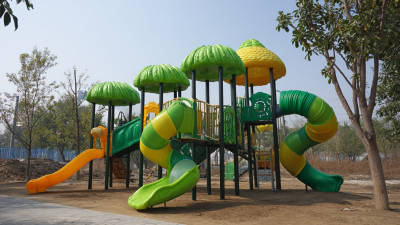
Choosing the right outdoor playground structure is crucial for children’s fun and safety. Parents often seek designs that prioritize safety features, while also providing engaging activities. A well-designed playground encourages kids to explore, climb, and socialize. Soft materials, rounded edges, and non-toxic finishes are essential for injury prevention.
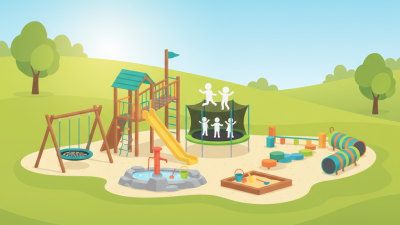
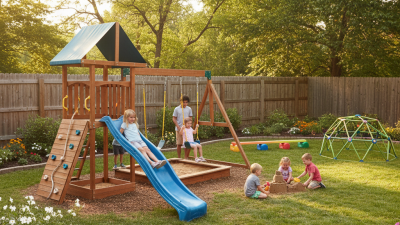
Many structures offer varied play options, catering to children of different ages. Slides, swings, climbing walls, and tunnels enhance physical activity. However, not all equipment stands up to weathering or rough play. Regular maintenance is required to ensure durability and safety. Platforms that promote imaginative play can encourage creativity. Parents should consider not only the physical aspects but also the social benefits of group play.
Space is another critical factor. A cluttered playground can lead to accidents. Open areas allow for safer movement, while shaded sections provide relief from the sun. Planning the layout thoughtfully can enhance the overall experience. Design must balance aesthetic appeal and functionality. In essence, selecting the right structure goes beyond looks; it involves thoughtful consideration of safety, play variety, and maintenance needs.
Safety Standards for Outdoor Playgrounds: Ensuring Child Protection
Ensuring safety in outdoor playgrounds is crucial for protecting children. The Consumer Product Safety Commission (CPSC) reports that over 200,000 children visit emergency rooms annually due to playground-related injuries. These statistics highlight the importance of adhering to safety standards.
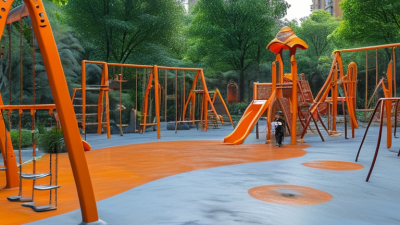
Playground equipment should meet guidelines established by organizations like CPSC and ASTM International. These standards specify requirements for surface materials, equipment design, and spacing. For instance, adequate fall zones are necessary. A soft ground surface can reduce the severity of falls. Safety surfacing should be at least 12 inches thick in high-use areas.
Despite these standards, not all playgrounds comply. Regular inspections are often neglected, which can lead to hazardous conditions. Some structures may have sharp edges or unstable bases. Parents and caregivers must be vigilant and ensure kids engage in safe play. Safety audits can be an effective tool to enhance playground safety. Ultimately, we must continuously reflect on improving safety measures. Children’s enjoyment should never compromise their protection.
Choosing Materials: Durability and Safety in Playground Structures
When selecting outdoor playground structures, the choice of materials is critical for ensuring both durability and safety. A study by the American Society for Testing and Materials shows that playgrounds made from high-quality plastic and metal can last up to 20 years with proper maintenance. Meanwhile, wooden structures might need more frequent upkeep due to weathering and insects. Therefore, assessing the long-term lifespan of materials should guide decisions.
Consider safety features like rounded edges and non-toxic finishes. The Consumer Product Safety Commission recommends using soft materials for areas where children frequently play. This minimizes injury risks from falls. Remember, the surface beneath the equipment also matters. Rubber mats or mulch can cushion falls effectively.
**Tips:** Inspect playground structures regularly. Look for cracks or wear that could pose safety risks. Even the best materials can deteriorate over time. Choose designs that allow for easy repairs and replacements. Think about the weather in your area—some materials fare better under UV light or extreme temperatures. This will help maintain safety and enjoyment in your playground for years to come.
Best Outdoor Playground Structures for Kids Fun and Safety
This chart displays the durability scores of different playground structure materials. A higher score indicates better durability, which is essential for children's safety and long-term fun. Choose the right material for your playground to ensure a safe play environment.
Top Designs for Fun: Analyzing Popular Outdoor Play Structures
When choosing outdoor playground structures for kids, safety and fun are paramount. Analyzing various designs reveals vital trends. According to the Consumer Product Safety Commission (CPSC), around 200,000 children visit emergency rooms each year due to playground injuries. This highlights the need for structures with safe materials and designs that reduce risks.
Modern playgrounds are evolving to meet safety standards. Platforms should be no more than 30 inches high for younger children. Equipment made from non-toxic materials also ensures a safer play environment. Incorporating fall zones filled with soft materials can significantly lower injury rates, as reported by the National Program for Playground Safety.
Tips: Always inspect playgrounds regularly. Look for signs of wear or damage. Encourage kids to play in designated areas. Setting clear boundaries can help keep everyone safe. Choose designs that foster social interaction, promoting teamwork and communication among children. This creates a more engaging play experience, but always remember to balance fun with safety.
Best Outdoor Playground Structures for Kids Fun and Safety
| Play Structure |
Age Range |
Material |
Safety Features |
Dimensions (L x W x H) |
| Climbing Tower |
3-10 years |
Wood |
Non-slip surfaces, Safety rails |
8' x 6' x 10' |
| Swing Set |
2-12 years |
Metal |
Safety harness, Soft ground material |
12' x 5' x 7' |
| Playhouse |
2-8 years |
Plastic |
Rounded edges, Ventilation |
5' x 5' x 6' |
| Sand & Water Table |
1-5 years |
Wood |
Stable structure, Non-toxic materials |
4' x 3' x 2' |
| Zip Line |
5-12 years |
Steel |
Safety brake, Fully enclosed strap |
30' long |
Impact of Playgrounds on Child Development: Statistics and Insights
Playgrounds play a crucial role in child development. They provide a space for children to explore, socialize, and build physical skills. Statistics show that children who engage in outdoor play are more likely to develop motor skills effectively. For instance, climbing structures enhance coordination and balance. The thrill of swings improves core strength and stamina.
Moreover, playgrounds foster social skills and emotional resilience. When children interact on the playground, they learn teamwork and negotiation. These interactions are essential for emotional intelligence. However, not all playgrounds offer safe environments. Parents need to assess the quality and safety of structures. Some designs may not be suitable for all ages, leading to risk of injury.
Observation of children's play can reveal much about their development. Are they willing to take risks? Are they collaborating? These insights highlight the importance of both fun and safety. By providing a balanced playground experience, parents can support their child's growth while ensuring their well-being. This awareness can lead to better choices for their play environment.


 CONTACT NUMBER
 CONTACT NUMBER
 CONTACT NUMBER