How to Choose Indoor Soft Play Equipment in 2026?
Choosing Indoor Soft Play Equipment in 2026 requires more than comparing colorful tunnels, slides, and ball pits. It demands careful judgment about safety, child development, cleaning routines, space planning, and long-term operating costs. A bright structure may attract families, but weak visibility or difficult maintenance can quickly create problems. The best choice supports active play while helping staff supervise every corner.
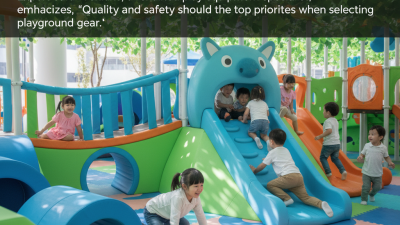
David Rockwell, an architect and recognized play-space designer, has said, “Play is a basic human need.” That idea remains practical. Good equipment should invite climbing, crawling, balancing, pretending, and social interaction without overwhelming children or caregivers. Operators should check impact-absorbing surfaces, rounded edges, secure fastenings, age separation, accessible routes, and clear manufacturer documentation. Local safety requirements also deserve professional review before installation.
Real-world details matter. Can staff wipe narrow seams after a busy afternoon? Can a parent see a child behind the foam blocks? Will replacement panels be available after several years? These questions are easy to overlook. They should not be.
There is no perfect Indoor Soft Play Equipment package. Budget limits, room shape, cleaning capacity, and visitor age ranges will influence every decision. Sometimes, a smaller structure serves children better than an oversized one. Careful measurement and honest reflection can prevent expensive mistakes. This guide explores the practical factors that make an indoor play environment safer, more engaging, and easier to manage in 2026.
Define the Purpose and Age Range of Your Indoor Soft Play Space
How to Choose Indoor Soft Play Equipment in 2026?
Define the Purpose and Age Range of Your Indoor Soft Play Space
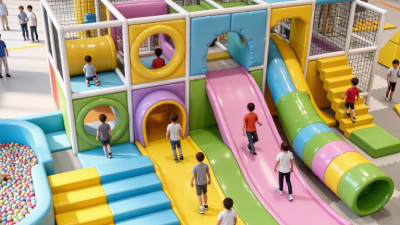
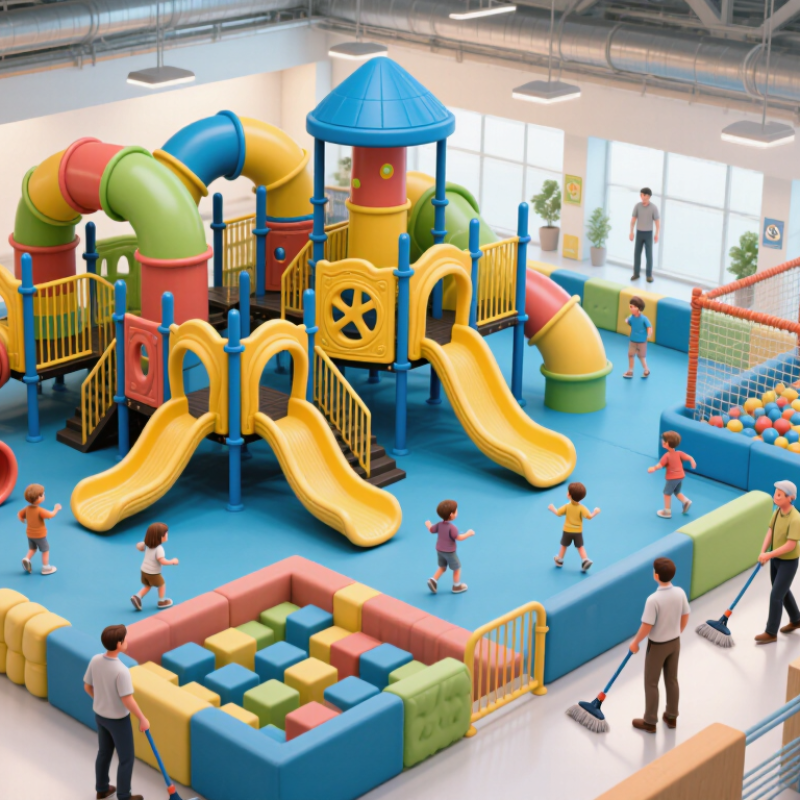
Start by deciding what the space must achieve. A toddler corner needs calm movement, low platforms, and wide crawl-through areas. A play zone for children aged five to eight can include climbing walls, tunnels, slides, and balance features. Mixed-age spaces require clear separation, because older children may move too quickly for toddlers. Measure the room carefully. Note ceiling height, entrances, columns, windows, and emergency access routes. A beautiful layout can still fail when parents cannot see their children.
Tips: Write a simple user profile before choosing equipment. Record each age group, average visit length, supervision needs, and expected daily traffic. Select impact-absorbing surfaces and equipment suited to children’s abilities. Check edges, openings, fasteners, cleaning access, and inspection instructions. Ask suppliers for material details and safety documentation. Do not rely only on attractive images.
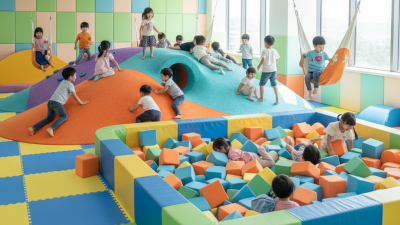
The purpose also affects the atmosphere. A fitness-focused area needs active challenges, while a sensory space may need quieter colors and softer textures. Leave enough room around slides and climbing elements for safe movement. In practice, operators sometimes install too much equipment, then discover narrow walkways and difficult cleaning. That mistake is costly, but easy to prevent with a scaled floor plan. Recheck the design with staff and caregivers before ordering. Their feedback may reveal problems that measurements miss.
Plan the Layout, Capacity, Accessibility, and Available Floor Space
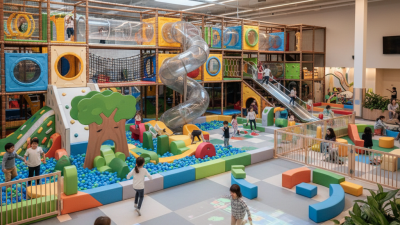
Choosing indoor soft play equipment in 2026 starts with the room, not the catalogue. Measure clear floor space, ceiling height, columns, doors, and emergency routes. Draw the usable footprint, leaving service access around every major structure. A crowded layout may look exciting, but it can slow supervision and create blind spots. Keep high-energy zones away from quiet toddler areas. Place slides and climbing features where staff can see landing areas clearly. Capacity should follow real movement patterns, not maximum figures. Test the plan with peak arrivals, shoes, coats, and waiting parents.
For example, a 120-square-metre room may not provide 120 square metres for play. Reception, toilets, storage, circulation, and safety clearance reduce the active area. Estimate capacity by age group, activity intensity, and staff visibility. Younger children need lower platforms, gentler transitions, and protected routes. Older children need challenges without crossing smaller children’s paths. Include step-free entry, wide gates, firm handrails, and accessible transfer points where suitable. Check padding, exits, surfaces, and cleaning access during a physical walkthrough. Do not rely on a floor plan alone. I have seen attractive layouts fail because adults could not reach a blocked corner quickly. A small redesign can improve safety more than extra equipment. Leave room to adapt. Families, traffic, and maintenance needs rarely behave exactly as predicted.
Compare Features, Maintenance Needs, and Total Ownership Costs
How to Choose Indoor Soft Play Equipment in 2026?
Compare Features, Maintenance Needs, and Total Ownership Costs
A strong purchase begins with more than colorful slides and climbing frames. Compare impact-absorbing surfaces, rounded edges, visibility, age separation, and accessible entry points. Clear sightlines help staff supervise several play zones from one position. That matters. Ask for load ratings, material specifications, installation guidance, and inspection records before signing an order.
Maintenance can quietly reshape your budget. Look for removable cushions, sealed foam, washable covers, and replaceable netting. These features make daily cleaning faster and reduce closure time after damage. In busy facilities, staff should wipe high-touch surfaces daily and check bolts, seams, anchors, and padding every week. Keep a written inspection log with photographs. It provides useful evidence when repairs are discussed.
Total ownership cost includes delivery, installation, labor, cleaning supplies, replacement parts, insurance requirements, and lost revenue during repairs. A cheaper structure may need frequent patching or special tools. I once underestimated staff time for cleaning narrow tunnels. That estimate was too optimistic. Request a five-year cost projection, not only the purchase price. Compare expected repair intervals and parts availability in writing. Also test a sample panel or mat before ordering. A pleasant appearance can hide difficult maintenance, and small design compromises may become expensive daily frustrations.
How to Choose Indoor Soft Play Equipment in 2026?
Compare features, maintenance needs, and estimated total ownership costs over five years.
Planning estimates in USD for commercial indoor facilities. Five-year ownership cost is calculated as initial purchase price plus five years of routine maintenance. Installation, flooring, rent, staffing, taxes, and major damage replacement are excluded. Actual costs vary by size, usage intensity, local labor rates, and safety requirements.
Feature Focus
Toddler zones prioritize low-height components and visibility, while multi-level structures provide greater capacity and climbing variety.
Maintenance Needs
Frequent-use equipment requires routine cleaning, fastener checks, padding inspections, and prompt replacement of worn covers.
Total Ownership Cost
A lower purchase price does not always mean lower long-term cost; durability, accessibility, modular replacement, and cleaning time also matter.
Choose a Reliable Supplier and Prepare for Future Expansion
How to Choose Indoor Soft Play Equipment in 2026?
Choosing indoor soft play equipment in 2026 requires more than colorful designs. Your supplier should understand safety, maintenance, visitor flow, and long-term business needs. Ask for material specifications, load ratings, cleaning guidance, and independently verified safety documentation. Clear records show professional responsibility.
A reliable supplier should provide detailed drawings before production begins. Check connection points, padding thickness, platform heights, and emergency access routes. Request references from operating venues with similar floor areas. Review warranty terms, spare-part availability, installation support, and staff training. A supplier who answers difficult questions clearly is usually easier to work with later. Small details matter.
Plan for expansion before ordering the first structure. Select modular equipment that can accept extra slides, climbing sections, or toddler zones. Leave practical space around entrances, seating, and maintenance areas. Confirm your building’s ceiling height, floor capacity, power supply, and ventilation requirements. Discuss phased purchasing with the supplier, including compatible colors and connection systems.
Many operators underestimate storage and cleaning time. That mistake can affect daily operations. I would also question any supplier promising extremely fast delivery without explaining production checks. Speed is useful, but rushed work may create fitting problems. Review the layout with staff, not only designers. They may notice blind spots, difficult cleaning areas, or crowded routes before opening day. Growth rarely follows the original plan.


 CONTACT NUMBER
 CONTACT NUMBER
 CONTACT NUMBER