How to Choose the Best Indoor Playground Structures for Kids?
When it comes to selecting the best Indoor Playground Structures for kids, safety and engagement are paramount. Expert John Matthews, a leading designer in the indoor play industry, once said, “The right structure can transform a space into a world of adventure.” His insight captures the essence of choosing perfect play equipment.
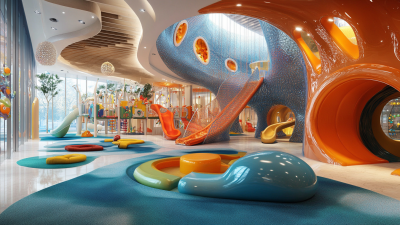
Indoor Playground Structures should inspire creativity and physical activity while ensuring safety. Bright colors, varied levels, and interactive features draw children into a world of fun. However, not all structures offer the same quality. Parents and caretakers must critically evaluate options to find the best fit for their children’s needs.
Consider the age and skill levels of the kids using these structures. What's exciting for toddlers may pose challenges for older children. Look for durable materials and thoughtful designs that can withstand heavy use. While it’s easy to be swayed by shiny advertisements, assessing real-world performance is crucial. Always seek reviews and testimonials to ensure the chosen structure delivers on its promises.
Understanding the Age and Developmental Needs of Children
Choosing the right indoor playground structures hinges on understanding children's ages and developmental needs. Research indicates that children's play evolves significantly as they grow. For example, toddlers require safe, soft play areas that encourage basic motor skills. Structures with low slides and climbing gadgets can stimulate their exploration instinct while keeping them safe.
As children reach preschool age, they benefit from more complex systems. They start to develop social skills and engage in interactive play. According to the American Academy of Pediatrics, play helps them learn cooperation and conflict resolution. Structures that include multi-level climbing frames and group activity zones will cater to these needs. Children aged 5 to 12 often seek adventure. They need challenges that promote physical fitness and risk assessment. Structures like higher slides and obstacle courses can provide the thrill they crave.
While it is essential to cater to these developmental needs, there is a balance to maintain. Overly stimulating environments can lead to frustration. It’s crucial to provide a variety of structures that accommodate different energy levels. Inadequate supervision or overcrowding can also hinder a child's experience. Paying attention to these factors ensures that the playground is both safe and enjoyable for every child.
Evaluating Safety Features in Indoor Playground Equipment
When choosing indoor playground structures for kids, safety must be the primary concern. A recent study by the ASTM International emphasizes that nearly 25% of playground injuries are due to improper or inadequate safety features. This statistic highlights the importance of evaluating equipment thoroughly. Look for structures that include soft landing areas, rounded edges, and high-quality materials. These features can significantly reduce the risk of injury.
Effective supervision also plays a critical role in enhancing safety. Some environments may overlook the need for trained staff who can monitor playtime. A well-trained team can quickly identify unsafe behaviors and prevent potential accidents. Install safety mats around play areas to offer additional cushioning for falls. This extra layer can drastically lower injury rates.
Do not shy away from asking for safety certifications. Inspecting for compliance with safety standards established by organizations such as the CPSC is vital. Choose structures designed for specific age groups, as this minimizes risks for younger children. Remember that safety should never be compromised, and ongoing evaluations on equipment wear and tear are essential. Prioritize these elements to create a secure play environment for children while maximizing their fun.
Assessing Space Requirements and Layout for Indoor Structures
When choosing indoor playground structures for kids, evaluating space requirements is crucial. Measure the available area accurately. Think about the height and width of equipment. The layout should provide enough room for children to play freely. Ensure there are walking paths around structures. This setup promotes safe play and easy supervision.
Consider the various activities you want to offer. A mix of climbing, sliding, and interactive components keeps kids engaged. You may find that your space can feel cramped with too many structures. A well-planned layout enhances the flow of movement. Open space is just as important as equipment.
Reflect on the age range of the children using the playground. If the space caters to toddlers and older kids, design zones for each age group. This separation reduces accidents and encourages exploration. Revisiting your plan after a test run can provide insight. Observing how children interact can reveal whether adjustments are needed.
How to Choose the Best Indoor Playground Structures for Kids? - Assessing Space Requirements and Layout for Indoor Structures
| Structure Type |
Recommended Age Group |
Space Requirement (sq ft) |
Safety Features |
Estimated Cost |
| Indoor Climbing Structures |
3-10 years |
200-500 |
Soft padding, rounded edges |
$500 - $3000 |
| Ball Pits |
1-5 years |
50-150 |
Non-toxic balls, cushioned sides |
$200 - $1000 |
| Slides and Tunnels |
2-8 years |
100-300 |
Fall zones, sturdy construction |
$300 - $1500 |
| Obstacle Courses |
5-12 years |
300-800 |
Safety mats, supervision required |
$1000 - $5000 |
Choosing Versatile and Engaging Play Elements
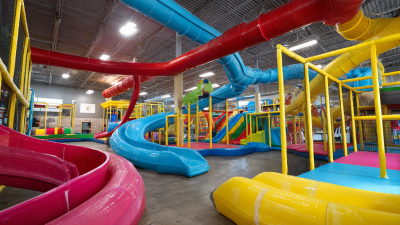
When selecting indoor playground structures, versatility and engagement are crucial. Children thrive on varied play experiences. A well-designed space should include climbing walls, slides, and interactive elements. These components cater to different interests and age groups. For instance, a ball pit can spark creativity, while a maze promotes problem-solving skills.
Incorporating sensory play elements is equally essential. Features like textured walls or musical panels can stimulate young minds. However, balance is key. Too many elements can overwhelm children, causing frustration. It’s important to have a clear flow in the layout. Spaces that encourage movement and exploration can significantly enhance a child's play experience.
Consider safety and maintenance in your choices. Some materials are durable but may require more upkeep. Regular checks ensure that play structures remain safe and inviting. Reflecting on these factors can lead to creating a dynamic indoor playground that supports both fun and development.
Budgeting for Quality and Longevity in Playground Structures
Budgeting for quality in indoor playground structures is essential. A well-made structure will withstand years of play, providing value over time. Investing in good materials can reduce long-term costs. Think of high-density plastics and powder-coated steels. These resist wear and tear effectively.
When considering budget, research is crucial. Cheap options may save upfront but lead to safety concerns and frequent repairs. Regular maintenance is vital, as neglect can significantly shorten lifespan. It’s not just about the initial purchase price. Consider installation costs, potential repairs, and how often you may need to replace items.
Visualize the play area as a hub of joy and activity. Children thrive in safe environments. However, cutting corners can compromise safety. A structure that collapses or has rough edges can lead to injuries. Prioritize quality, but also remember, a budget should allow for necessary adjustments. Sometimes, overspending can lead to regret. Reflect on your choices to balance quality and budget.


 CONTACT NUMBER
 CONTACT NUMBER
 CONTACT NUMBER