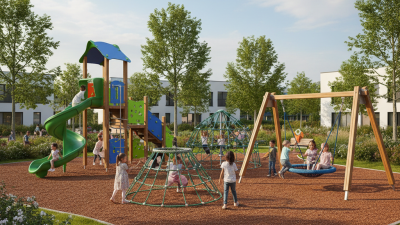
Top 10 Indoor Mall Playground Ideas for Global Buyers?
Indoor mall playgrounds have become essential spaces for family fun and social interaction. According to Jane Thompson, a renowned expert in child-friendly design, “These playgrounds offer safe environments for kids to explore and develop their social skills.” As urban life becomes more hectic, the demand for engaging indoor spaces rises.
Various concepts for indoor mall playgrounds cater to different age groups. Bright colors, interactive equipment, and soft play areas encourage physical activity. These playgrounds serve as a perfect retreat for families while shopping, providing entertainment and safety. However, the challenge remains in creating spaces that engage children without becoming overcrowded.
It's important to note that despite the popularity of indoor mall playgrounds, maintaining hygiene and safety is paramount. Designers must constantly strive for improvements, ensuring facilities meet high standards. Reflection on past projects reveals that even small design flaws can impact the user experience significantly. Balancing creativity and practicality is key in this evolving industry.
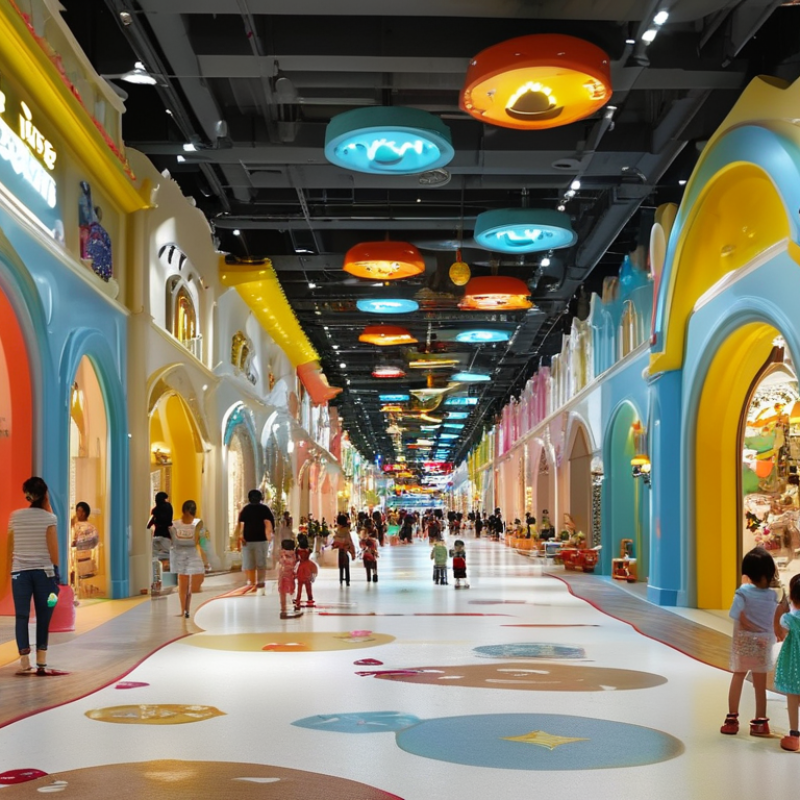
Indoor Playground Design Trends for Modern Shopping Malls
Indoor playgrounds in shopping malls have evolved significantly. They now focus on creating engaging, interactive experiences for children. Bright colors, soft play areas, and thematic designs attract families. Integrating technology is becoming popular. Interactive screens and augmented reality features can enhance playtime.
Safety remains a top priority in modern designs. Soft surfaces and padded equipment reduce injury risk. Designers must balance fun and security. Regular maintenance checks are essential. However, ensuring cleanliness and hygiene is an ongoing challenge. Parents are increasingly concerned about these aspects today.
Sustainability is another key trend. Natural materials and energy-efficient lighting are commonly used. Many designers are exploring eco-friendly options, but they often face higher costs. Finding the right balance between aesthetics, functionality, and environmental impact is crucial. Not every design meets all these needs effectively. Continual innovation is necessary to keep up with changing demands.
Innovative Play Equipment for Diverse Age Groups in Malls
Indoor mall playgrounds cater to a wide range of age groups, transforming shopping centers into family-friendly spaces. A recent industry report highlighted that about 47% of parents believe accessible play areas influence their shopping choices. These statistics underscore the importance of innovative play equipment in malls.
Designing playgrounds for diverse age groups is essential. Equipment must engage toddlers to older kids while ensuring safety. Emerging trends focus on multi-sensory experiences, promoting physical and cognitive development. Incorporating elements like climbing structures and soft play areas enhances versatility. Additionally, 75% of children prefer interactive installations.
Reflecting on these choices, it’s essential to stay aware of evolving safety guidelines. Proper maintenance and regular inspection are crucial. Challenges such as space limitation also warrant attention. Engaging with experts for suitable designs can lead to improved outcomes. Investing in quality play equipment is not just beneficial—it’s necessary for sustainable mall growth.
The Importance of Safety Standards in Indoor Mall Playgrounds
Indoor mall playgrounds offer a fun escape for children while parents shop. However, safety standards are crucial for ensuring a secure environment. Poorly designed equipment or inadequate safety measures can lead to accidents. It’s essential to prioritize the development of playgrounds that adhere to high safety standards.
When developing an indoor playground, consider materials and design. Use non-toxic, durable materials that can withstand wear and tear. Ensure the layout allows for easy visibility for supervising parents. This can help to quickly identify any potential dangers. Proper padding and soft surfaces should be installed to minimize injuries from falls.
Regular maintenance checks play a vital role in safety. Inspect equipment frequently to catch any wear or defects. Cleaning and sanitizing areas can help prevent illness. Educating staff on emergency protocols can prepare them for potential accidents. Safety is a shared responsibility, and awareness is key in maintaining a secure indoor playground for all.
Creative Themes and Aesthetics for Mall Play Areas
Creating engaging indoor mall playgrounds requires imaginative themes and aesthetics. Unique designs can significantly enhance the shopping experience for families. A report by Grand View Research reveals that the global indoor amusement market is expected to reach $31.5 billion by 2025. This indicates a growing demand for creative play areas in malls.
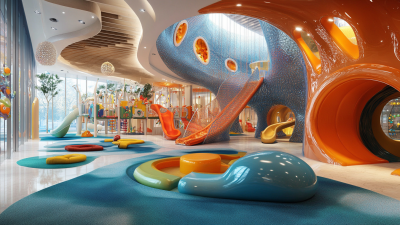
One idea is using nature-inspired themes. Incorporating greenery and natural elements can make play spaces more inviting. For instance, treehouse structures and soft grass-like flooring stimulate a child’s imagination. Reports show that children play longer in environments that echo the outdoors. Such designs foster development and encourage social interaction among kids.
Another concept involves educational themes. Interactive installations that promote learning through play are increasingly popular. Areas dedicated to STEM activities can attract parents seeking enriching experiences. Visual appeal matters; bright colors and fun shapes encourage exploration. However, it’s essential to balance aesthetics with safety. Play areas should always be designed with child safety regulations in mind, as any oversight can lead to significant liabilities for mall operators.
Strategies for Maximizing Space Efficiency in Indoor Playgrounds
Indoor playgrounds are becoming essential in malls. They attract families and create a vibrant environment. To maximize space efficiency in these areas, thoughtful design is crucial. According to a recent industry report, the global indoor playground market is expected to grow at a CAGR of 11% from 2021 to 2027. This growth underscores the importance of creating engaging yet efficient play spaces.
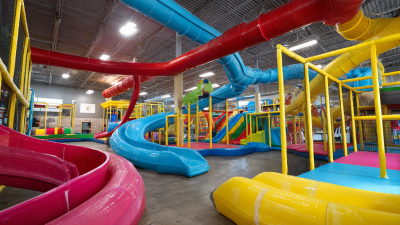
Incorporate multi-functional equipment to save space. Use climbing walls that double as art installations. Consider modular play units that can be rearranged. These strategies enhance user experience while optimizing the footprint. Small, dedicated zones for toddlers and older kids can cater to various age groups without overcrowding. Flexible areas allow for rotating activities, keeping the playground dynamic.
Safety must not be overlooked in this tight design. Regular safety audits are essential to ensure that limitations do not compromise child safety. Additionally, the layout should encourage supervision without creating blind spots. Engaging parents in the design process can provide valuable insights. Creating feedback loops for parents helps refine the space effectively. This collaborative approach improves functionality and satisfaction rates.


 CONTACT NUMBER
 CONTACT NUMBER
 CONTACT NUMBER