How to Choose the Best Indoor Play Structures for Kids?
Choosing the right indoor play structures for kids can be a daunting task. With so many options available, parents often feel overwhelmed. It's essential to ensure safety and create an engaging environment for children. Indoor play structures should inspire creativity and encourage physical activity.
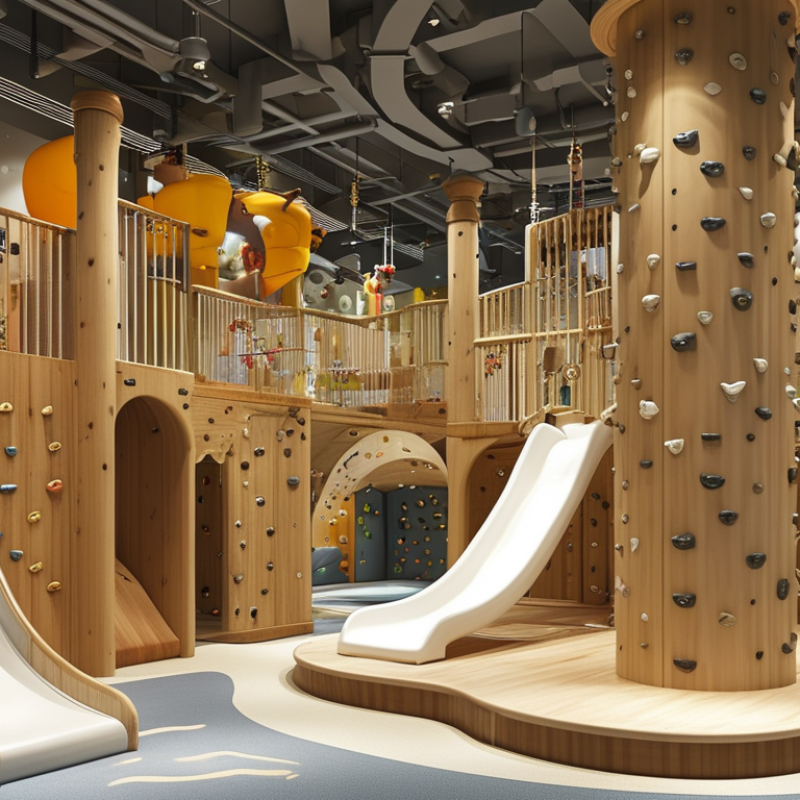
The best structures not only entertain but also aid in development. Look for features like climbing walls, slides, and tunnels to promote active play. Consider size and space, ensuring the structure fits well in your home. Safety is paramount; choose sturdy materials and check for certifications.
Reflect on your child's interests and age. An ideal play structure matches their developmental stage. Sometimes, parents overlook rising safety concerns. Regular inspections and maintenance are crucial. This decision is more than about fun; it’s about fostering a safe and enriching play experience.
Identifying the Age Group and Developmental Needs of Your Children
Choosing the right indoor play structures for kids can be daunting. Understanding your child's age group and developmental needs is crucial. Babies and toddlers require soft, safe surfaces. They explore through touch and movement. Look for structures that encourage crawling, pulling up, and climbing. Ensure they are low to the ground and have rounded edges.
For preschoolers, more challenging options are suitable. They develop gross motor skills, so climbing walls or slides can be exciting. Look for features that encourage imaginative play, like tunnels or themed sets. Monitoring how they play gives insights into their preferences. Some children may hesitate, reflecting their need for reassurance.
Older children benefit from structures that promote teamwork and social interaction. Think about adding elements that require collaboration. Open-ended designs can foster creativity. However, remember that not all children engage the same way. Some may thrive in busy environments, while others need quieter spaces. Observing these nuances helps in selecting the best play structure for your little ones.
Evaluating Safety Features and Material Durability of Play Structures
When choosing indoor play structures for kids, safety features and material durability are crucial. Parents should prioritize soft edges and non-toxic finishes. These elements reduce the risk of injury. Look for structures with rounded corners and padded surfaces. A fall from height can be dangerous, so ensure climbing structures have safety nets or cushioned areas below.
Material durability is equally vital. Consider options made from high-quality plastics or responsibly sourced wood. These materials withstand daily use and resist wear. Ask about weight limits to ensure the structure remains stable during play. If a structure shows signs of wear, such as splinters or cracks, it might be time for a replacement.
It's important to think about the age range of children who will use the play structure. A design suitable for toddlers may not be safe for older kids. Regular inspections are key, as children can inadvertently damage components. Reflect on your choices and ensure they promote safe, enjoyable play.
Evaluating Safety Features and Material Durability of Indoor Play Structures for Kids
Considering Space Requirements and Layout for Indoor Play Areas
When selecting indoor play structures for kids, space requirements should be a top priority. According to industry research, 75% of parents overlook the dimensions of play structures. This can lead to inadequate space and safety concerns. Ideally, the area should allow for at least 6 feet of clearance around any play equipment. Parents need to consider furniture and foot traffic when planning the layout.
The types of play structures available vary widely in size and complexity. Simple climbing frames may require less space compared to multi-level jungle gyms. A survey of pediatric indoor play areas found that 80% of facilities use modular designs. These designs maximize space efficiency while offering varied play options. It's essential to visualize the space effectively. Utilize tape or markers to outline where equipment will go.
Additionally, proper organization contributes to safety and enjoyment. Placing play structures close to supervision zones enhances visibility for caregivers. However, overcrowding can lead to chaos. In some cases, parent reports indicate that play areas can feel cramped when too many structures are installed. Being mindful of space will create a more enjoyable environment for children.
Exploring Different Types of Indoor Play Structures Available
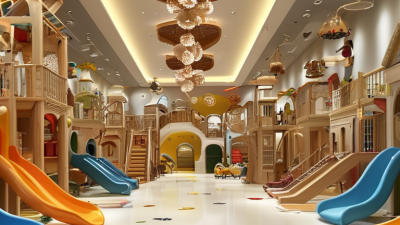
When exploring different types of indoor play structures for kids, safety is a primary concern. Soft play areas, for instance, offer cushioned environments where children can jump and climb without the risk of injury. These structures often include foam blocks and slides, providing endless opportunities for imaginative play. Parents appreciate the peace of mind they bring, knowing that their children are safe while being active.
Another popular option is climbing walls designed for kids. These walls can vary in complexity, catering to different age groups and skill levels. Children can develop strength and coordination while enjoying a challenging activity. However, supervision is vital. Parents should ensure that their kids know how to climb safely and that the area below is well-padded.
Playhouses and themed structures attract children with colorful designs. They encourage role-playing and social interaction. However, some parents worry about cleanliness. Play structures can harbor germs, especially in crowded settings. Regular cleaning and maintenance should not be overlooked to keep these spaces enjoyable. Understanding these various structures enables thoughtful choices for indoor play, considering both fun and safety.
Budgeting for Indoor Play Structures: Cost vs. Quality Analysis
When considering indoor play structures, budgeting plays a crucial role in decision-making. Research shows that quality should not be compromised for cost. The International Association of Amusement Parks and Attractions (IAAPA) states that high-quality play structures can last longer and provide better safety, making them a worthy investment. A cheap play structure may save money initially but could lead to higher costs from replacements or repairs.
The average price for a well-constructed indoor play structure ranges from $1,000 to $10,000. However, according to a 2022 market analysis, investing in mid-range options often yields better satisfaction. These structures generally offer better materials and safety features. For instance, commercial-grade foam and durable plastics ensure longevity. In contrast, lower-end models may use weaker materials that wear down quickly.
It's essential to weigh cost against quality features. Before you make a purchase, consider factors beyond just price. Look for safety certifications and user reviews. A low-cost option might not provide adequate safety measures, presenting risks. Hence, it’s worth debating the short-term savings against long-term safety and satisfaction. Investing in quality indoor play structures can ultimately foster a safer and more enjoyable environment for children.


 CONTACT NUMBER
 CONTACT NUMBER
 CONTACT NUMBER