Top Tips for Choosing the Best Indoor Play Structures?
Choosing the right Indoor Play Structures can be a daunting task. With countless options available, parents often feel overwhelmed. Your choice impacts your child's play experience and safety. Each structure offers different features, materials, and dimensions. It's crucial to consider the age and interests of your child.
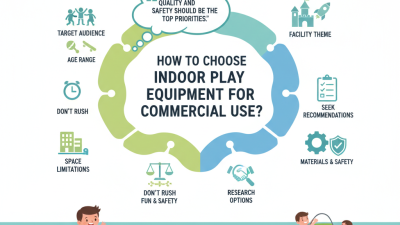
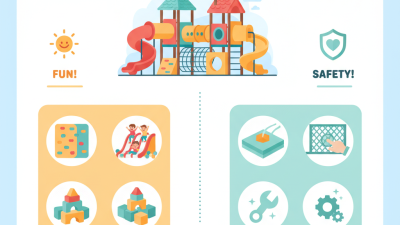
Quality matters significantly in Indoor Play Structures. A flimsy structure can lead to accidents, while a sturdy one ensures durability. Look for reputable brands known for their safety standards and positive customer feedback. Engaging designs can spark creativity, making playtime more enjoyable. However, balancing fun with safety is essential.
Consulting with experts or other parents can provide valuable insights. Peer reviews may highlight potential issues you hadn't considered. Reflect on your space limitations before making a purchase. Indoor play shouldn't feel cramped. Selecting the right structure demands careful thought and a willingness to adapt. Be ready to revisit your choices as your child's needs change.
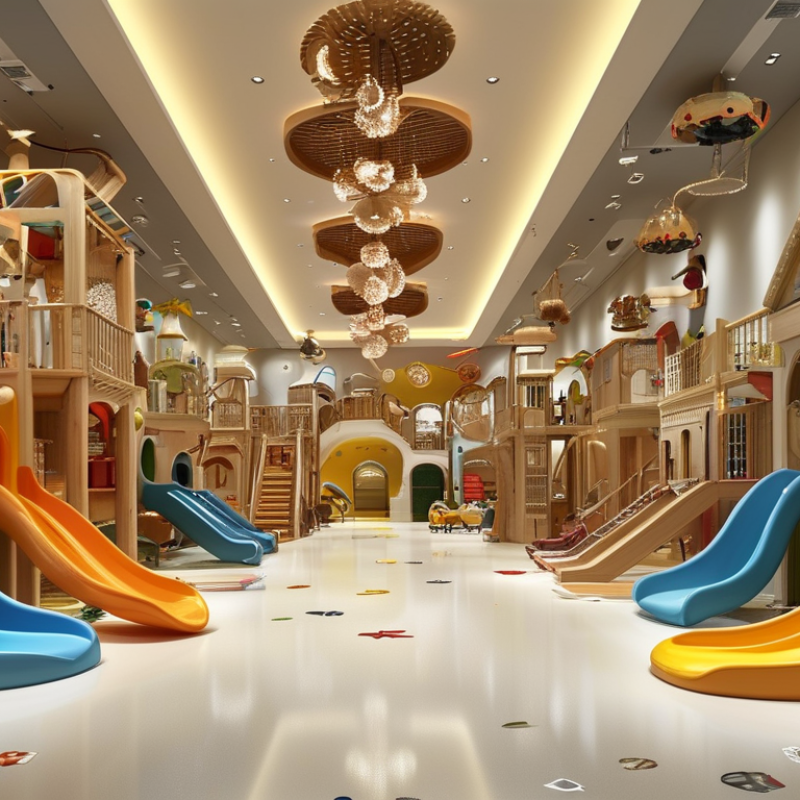
Factors to Consider When Selecting Indoor Play Structures
When selecting indoor play structures, several critical factors should be at the forefront of your decision-making. Safety is paramount. It's essential to choose equipment made from non-toxic materials. Check for any sharp edges or small parts that might pose a choking hazard. Ensure the structure has a stable base to prevent tipping during play.
Space is another key consideration. Measure the area where you plan to install the play structure. It should fit comfortably, leaving enough room for kids to move around freely. Too cramped a space can lead to accidents and diminish the fun.
Durability cannot be overlooked. Indoor play structures should withstand daily use without falling apart. Materials should be sturdy yet appropriate for the age group using them. Some structures may seem appealing but may not hold up over time. Balancing aesthetics with functionality is vital.
Think about the design as well. Look for engaging features like slides, climbing walls, and tunnels. These elements can keep children engaged and stimulate their imagination. Remember, the ultimate goal is to create a safe and enjoyable environment for kids.
Types of Indoor Play Structures and Their Benefits
When choosing indoor play structures, consider the types available and their unique benefits. For example,
climbing walls are fantastic for developing strength and coordination.
Children gain confidence as they ascend, while also engaging their problem-solving skills.
Soft play areas are perfect for younger children.
These spaces encourage imaginative play and social interaction.
Another popular choice is ball pits. They provide sensory stimulation and help improve motor skills.
Kids love diving into a sea of colorful balls, making playtime enjoyable and active.
Trampolines, on the other hand, promote cardiovascular health.
Jumping can be exhilarating but requires monitoring. Safety becomes a vital concern with structured play, especially when it comes to height and equipment.
Each type of structure presents advantages and challenges.
Parents should assess their space and consider maintenance levels.
Some structures require more upkeep than others.
Investing time in understanding the needs of your child is essential.
Can they handle the excitement of a slide?
Or do they prefer the quiet of a reading nook?
Finding the right balance can elevate their play experience significantly.
Safety Standards and Guidelines for Indoor Play Equipment
When selecting indoor play structures, safety standards are paramount. According to the American Society for Testing and Materials (ASTM), over 200,000 children visit emergency rooms annually due to playground injuries. This staggering statistic underscores the importance of compliance with safety guidelines.
Quality indoor play equipment must adhere to protocols outlined by the Consumer Product Safety Commission (CPSC). These standards ensure that materials used are non-toxic and free from sharp edges. Common materials like PVC may contain harmful chemicals if not checked properly. Regular inspections and maintenance of play areas are also crucial to identify any wear and tear that could pose risks.
Moreover, age-appropriate design is essential. Play structures should cater to different age groups to prevent accidents among younger children. Equipment that seems fun might not be suitable for all ages, creating potential hazards. It's vital to prioritize spaces that encourage safe exploration and learning. Parents and operators must remain vigilant, fostering an environment that promotes safety above all else.
Top Tips for Choosing the Best Indoor Play Structures
| Criteria |
Considerations |
Safety Standards |
Maintenance Tips |
| Material Quality |
Look for non-toxic, durable materials that can withstand frequent use. |
Ensure compliance with ASTM and EN standards for play equipment. |
Regularly check for wear and tear; replace any damaged components. |
| Design Safety |
Choose designs that minimize entrapment and tipping hazards. |
Verify that designs adhere to safety guides set by the CPSC. |
Conduct routine safety inspections and audits. |
| Age Appropriateness |
Select play structures suitable for the ages of children using them. |
Follow regulations on age-specific equipment usage. |
Adapt spaces for different age groups to avoid overcrowding. |
| Space Availability |
Ensure sufficient space for movement and safe play activities. |
Consider space guidelines set out by local safety regulations. |
Regularly inspect the area around structures for safety hazards. |
| Accessibility |
Choose play structures that are accessible to children of all abilities. |
Follow ADA guidelines for inclusive play equipment. |
Ensure pathways are clear and free from obstacles. |
Space Requirements and Layout Planning for Play Areas
When planning an indoor play area, understanding space requirements is crucial. According to a 2022 report by the International Playground Equipment Manufacturers Association, adequate space ensures safe and enjoyable experiences for children. The common guideline suggests at least 20 square feet per child for play structures. This allows room for movement and interaction, minimizing risks of accidents.
For layout planning, consider the flow of traffic. Positioning play structures away from heavy walking paths can prevent collisions. Use bright markers to define play areas. It’s essential to create zones for different activities. These zones can cater to various age groups, which enhances safety and enjoyment.
Tip: Use soft surfaces like foam tiles to cushion falls. This additional safety measure is especially important in smaller spaces, where kids might be closer together.
Reflecting on these elements helps improve your space planning. Consider how children engage with structures. Gather feedback from parents and caregivers to refine your layout. Prioritize flexibility by allowing for future adjustments based on how the space is used over time.
Budgeting for Indoor Play Structures: Costs and Financing Options
When budgeting for indoor play structures, understanding costs is essential. Prices can vary widely based on size and complexity. Simple playhouses may start at a few hundred dollars. More elaborate setups, with slides and climbing walls, can exceed several thousand dollars.
Consider not only the initial investment but also ongoing costs. Maintenance is necessary to ensure safety and performance. Regular inspections and repairs can add to your overall budget. Additionally, space and installation costs should be factored in. Some structures may require professional installation, leading to higher expenses.
Financing options can help ease the burden. Many manufacturers offer payment plans, making it easier to manage large purchases. Explore local grants or community programs that support children's play areas. Researching these options may provide some relief. Balancing quality with affordability is crucial. Not every option will meet all needs, so evaluate what is essential for your space.
Budgeting for Indoor Play Structures: Costs and Financing Options


 CONTACT NUMBER
 CONTACT NUMBER
 CONTACT NUMBER