Top Outdoor Playground Structures for 2026 What to Choose?
Choosing the right Outdoor Playground Structures is essential for fostering children's development and creativity. In 2026, the landscape of playground design is evolving. New trends focus on safety, inclusivity, and engagement. With exciting innovations, parents and educators face overwhelming choices.
Outdoor Playground Structures now incorporate natural elements and sustainable materials. Bright colors and interactive features attract children's attention. However, not all options are equally beneficial. Some designs may prioritize aesthetics over safety. This leads to challenges in maintaining a balanced approach.
Selecting a playground structure requires careful consideration of children's diverse needs. Factors such as age range and activity levels play a crucial role. It’s vital to reflect on the long-term impact of these structures. Will they facilitate growth and play? Striking a balance between fun and safety is key.
Top Trends in Outdoor Playground Design for 2026
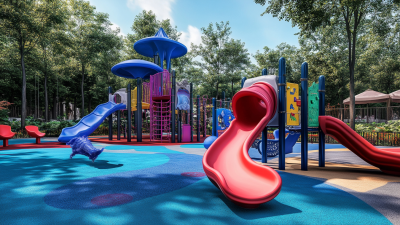
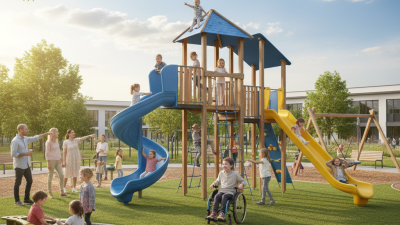
Outdoor playground design is evolving. In 2026, we see key trends shaping spaces for children. Innovative designs focus on inclusivity. Play structures cater to kids of all abilities. This approach ensures that every child can join in the fun.
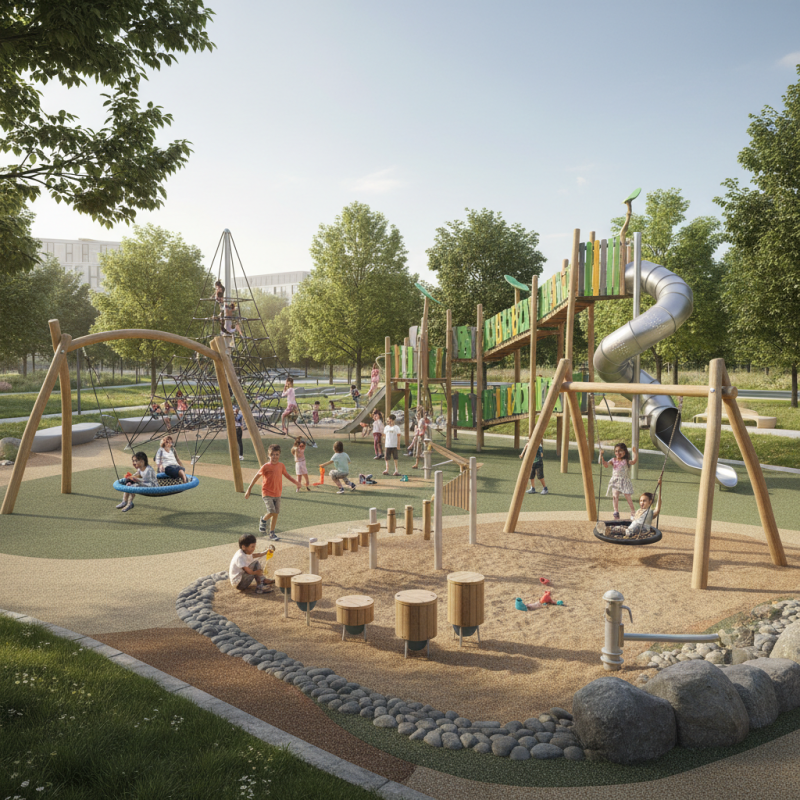
Sustainability is a major theme. More manufacturers are using eco-friendly materials. Recycled plastics and natural wood are becoming popular choices. These materials not only look good but are also durable. Integrating nature plays a huge role as well. Climbing structures resembling trees can inspire imagination while blending into the environment.
Safety continues to be a top priority. Playground surfaces are softer and safer than ever. Many designs incorporate natural elements like grass hills and mounds. However, some parents still worry about allowing their children to explore unfettered. Balancing safety with adventure may be challenging. As trends shift toward more open and creative play, there is still a need for vigilance and thoughtful oversight.
Top Outdoor Playground Structures for 2026
Key Safety Standards and Regulations for Outdoor Play Structures
When selecting outdoor playground structures, safety standards are crucial.
In the United States, the Consumer Product Safety Commission (CPSC) and the American Society for Testing and Materials (ASTM) set guidelines for design and installation. These standards help minimize risks of injuries. The CPSC reports that over 200,000 children visit emergency rooms annually due to playground injuries, highlighting the need for compliant equipment.
Proper surfacing materials are vital. Consider options like engineered wood fiber, rubber mats, or sand, as they absorb impact. The ASTM recommends a minimum depth of 12 inches for loose-fill materials like wood chips. More than 50% of playground injuries happen from falls. This statistic underscores the need for quality surfacing.
Regular inspections are essential. Equipment must be checked for wear and tear, ensuring safety. Slight rust or loose components can pose risks. In a survey, 35% of playgrounds lacked regular maintenance, leading to unsafe conditions. Creating a safe environment is a continuous effort. Ongoing education about safety standards helps target improvements effectively.
Innovative Materials for Durability in Outdoor Playgrounds by 2026
Outdoor playgrounds should offer safety, fun, and durability. As we approach 2026, choosing playground materials carefully is essential. Innovative materials can enhance playground structures. These materials must withstand weather changes and heavy usage.
Recycled plastics and metal composites are showing promise. They resist wear and tear much better than traditional wood. These alternatives are both durable and environmentally friendly. However, their initial cost may be higher. Communities need to weigh the long-term benefits against upfront expenses.
Another option is using treated timber designed for outdoor conditions. While it feels natural, treated wood requires maintenance. Parents should consider the longevity of materials. Safety is crucial, but aesthetics also matter. Bright colors and engaging designs attract children. Yet, balance is necessary. Focus on durability first, then on eye-catching elements. Finding this balance may be more challenging than expected.
Top Outdoor Playground Structures for 2026 - Innovative Materials for Durability
| Structure Type |
Material |
Durability Rating (Years) |
Safety Features |
Age Group |
| Climbing Frame |
High-Density Polyethylene |
15 |
Non-slip surfaces, rounded edges |
5-12 years |
| Swing Set |
Galvanized Steel |
20 |
Safety harness, cushioned seats |
3-10 years |
| Slide |
Recycled Plastics |
10 |
Anti-slip coating |
2-8 years |
| Playhouse |
Engineered Wood Fiber |
12 |
Weatherproof, impact-resistant |
3-10 years |
| Sand Pit |
Synthetic Sand |
Indefinite |
Soft edges, drainage system |
All ages |
Popular Play Features Influencing Children's Physical Activity Levels
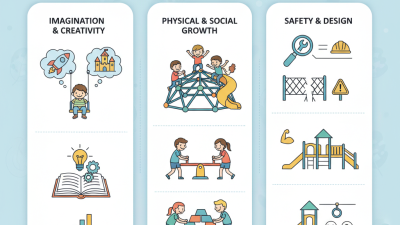
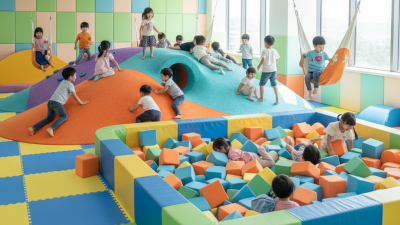
Outdoor playground structures play a crucial role in promoting children's physical activity. According to the National Association for Sport and Physical Education, children need at least 60 minutes of physical activity each day. Innovative play features can significantly influence how much they move. Structures with climbing walls, rope courses, and slides encourage exploration and active play. These elements stimulate children to engage their muscles and develop coordination skills.
Research by the American Academy of Pediatrics highlights that play contributes to physical health and social skills. Features like interactive games and team-based challenges foster social interaction. When children play together, they learn teamwork and problem-solving. Designs that integrate natural elements, like logs and boulders, can also challenge their physical abilities. These structures offer diverse experiences, ensuring that children remain engaged and active.
While many playgrounds cater to physical activity, not all are successful. Some lack inclusive designs, leaving out children with disabilities. Moreover, safety concerns over heights and materials can limit exploration. It's essential to balance safety with challenge in playground design. Assessing children's engagement levels can guide improvements. Continuous feedback from parents and educators is vital to create spaces that truly promote physical activity.
Cost Analysis: Budgeting for the Best Playground Equipment in 2026
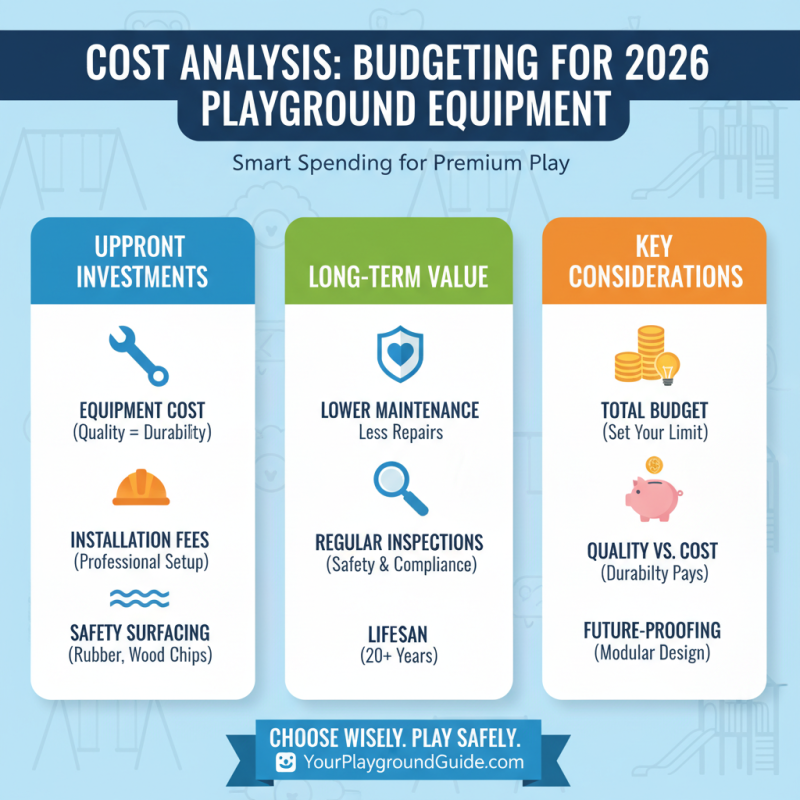
When budgeting for playground equipment in 2026, it's essential to consider all costs involved. High-quality structures may have higher upfront costs, but they often require less maintenance. Factor in installation fees, safety surfacing, and regular inspections. Knowing your budget helps you choose wisely.
Tips: Research local regulations. Safety compliance can affect costs significantly. Understand what your community requires to avoid unexpected expenses.
Beware of cheaper options. They may compromise safety and durability. It's easy to underestimate ongoing costs like repairs and replacements. Make sure to account for these in your budget to avoid surprises later.
Evaluate durability and lifespan. Investing in robust materials may be more expensive initially but saves money long-term. Consider warranties or service contracts if available. Prioritize safe, engaging options for children that can withstand wear and tear.


 CONTACT NUMBER
 CONTACT NUMBER
 CONTACT NUMBER