Top Soft Playground Equipment for Global Buyers Insights?
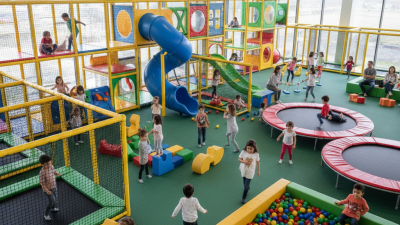
The demand for Soft Playground Equipment is rapidly growing among global buyers. These products create safe and engaging play environments for children. Parents and educators are seeking durable and colorful items that promote active play.
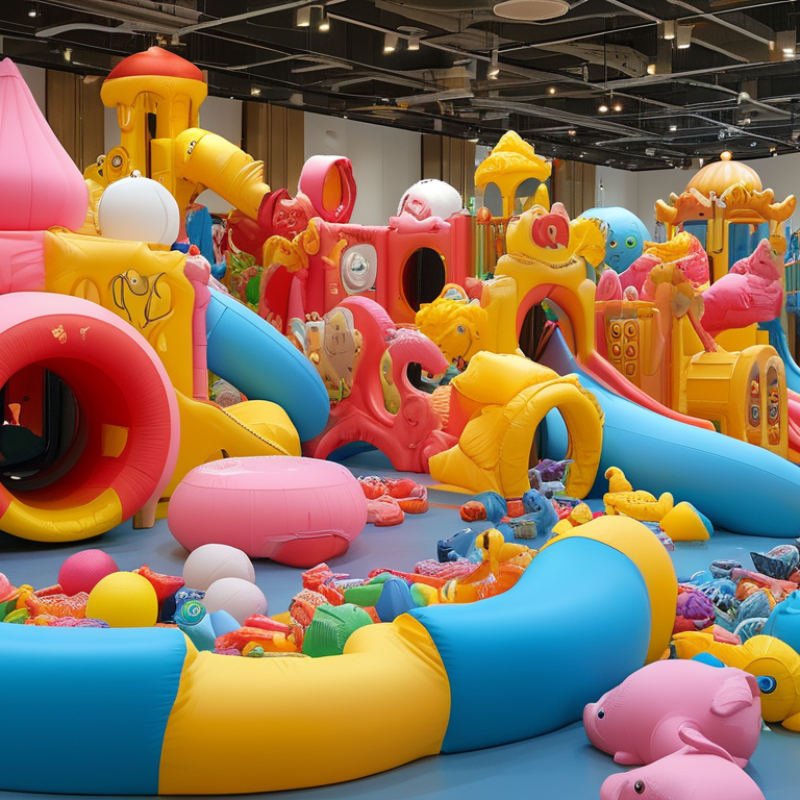
Soft Playground Equipment comes in various shapes and sizes. From foam blocks to inflatable structures, the options are endless. However, selecting the right equipment requires thoughtful consideration. Safety standards and material quality cannot be overlooked.
Many manufacturers offer an impressive range of products. Yet, buyers must remain cautious about sourcing. Some suppliers may cut corners to reduce costs. Inadequate quality can lead to disappointing experiences. Investing in reliable Soft Playground Equipment is essential for ensuring safety and fun.
Understanding the Importance of Soft Playground Equipment in Safety
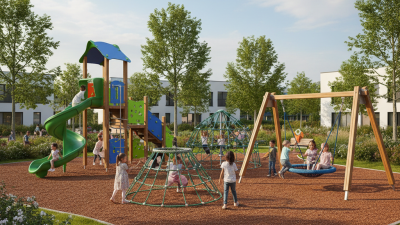
The safety of children in recreational areas has become a critical focus. Soft playground equipment plays a vital role in preventing injuries during play. Research reveals that over 200,000 children visit emergency rooms annually due to playground-related injuries. The use of soft materials significantly reduces the risk of severe harm.
Soft playground surfaces, such as foam mats and rubber tiles, are essential for cushioning falls. According to the Consumer Product Safety Commission, adequate shock-absorbing materials can reduce injury risk by up to 70%. These surfaces provide a safer environment, promoting free exploration without excessive risk. Well-designed soft playgrounds can inspire imaginative play while protecting young users.
Investing in soft playground equipment is not just beneficial; it's necessary for creating safe play spaces. However, not all materials are equal in effectiveness. Some may wear over time or lack appropriate safety certifications. Regular inspections and maintenance are crucial to ensure safety standards are met. Ensuring the right installation and durability should be top priorities for playground operators.
Key Features to Consider When Selecting Soft Playground Equipment
When selecting soft playground equipment, safety stands out as a priority. Equipment should meet safety standards and include soft materials to minimize injury risk. Rounded edges and non-toxic surfaces are essential features. Checking certifications ensures the equipment's reliability.
Durability is another key factor. Soft playground structures should withstand wear and environmental factors. Choosing UV-resistant materials can prolong their lifespan in outdoor settings. Regular maintenance checks are necessary, but some wear and tear is inevitable. Monitoring for potential damage helps maintain safety.
Lastly, consider the versatility and design. Equipment should cater to various age groups and activity levels. Bright colors and engaging shapes attract children's attention and invite play. However, staying updated on the latest trends is crucial. This way, you can adapt to children's changing preferences and ensure a satisfying play experience. Balancing aesthetics and functionality can be challenging but rewarding.
Top Global Manufacturers of Soft Playground Equipment
The global soft playground equipment market continues to grow, driven by increasing demand for safe recreational spaces. Recent reports suggest that the market size reached approximately $1.5 billion in 2022 and is projected to expand at a CAGR of 5.1% through 2030. This growth highlights the importance of investing in high-quality materials and innovative designs to meet evolving safety standards.
Leading manufacturers are focusing on eco-friendly and durable materials. These companies often conduct extensive research to ensure their products effectively support child development while aligning with safety regulations. For instance, a study indicates that 95% of parents prioritize safety features when selecting playground equipment. This finding emphasizes the need for manufacturers to educate consumers on the importance of compliance with international safety guidelines.
However, challenges persist in the industry. Many manufacturers struggle with supply chain disruptions and fluctuating material costs. Some producers are also criticized for not addressing the diverse needs of children with disabilities. These shortcomings highlight an industry that must continually adapt and reflect on its practices to remain relevant and responsible in serving communities worldwide.
Trends in Soft Playground Equipment for Children's Play Areas
In recent years, soft playground equipment has emerged as a pivotal element in children's play areas. Parents and educators increasingly recognize the importance of safe, inviting environments. The demand for soft, cushioned surfaces reflects a shift towards prioritizing safety and comfort. This trend focuses on reducing injury risks while encouraging exploration and creative play.
Many innovators are designing equipment that emphasizes bright colors and engaging shapes. Soft climbing structures, interactive panels, and sensory play items attract children’s attention. These elements foster social interaction and imaginative play. However, some designs may overemphasize aesthetics, neglecting durability. The balance between functionality and visual appeal remains a point of discussion.
Another trend is the integration of natural elements into soft playgrounds. Some designs include textures mimicking wood or grass, offering a biophilic connection. This approach encourages children to engage with nature, promoting overall well-being. Yet, it raises concerns over maintenance and cleanliness. Such integrations need careful consideration to ensure practicality alongside innovation.
Market Insights: Demand and Supply of Soft Playground Equipment Worldwide
The market for soft playground equipment is expanding globally. Recent reports indicate that the demand for safe, durable playground structures is rising. Countries in North America and Europe are driving this demand due to increasing investments in parks and recreational facilities. In fact, analysts predict a compound annual growth rate (CAGR) of 5.5% from 2023 to 2030. This growth highlights a significant shift toward healthier outdoor play for children.
Supply chains are adapting to meet this rising demand. Manufacturers are focusing on sustainable materials and innovative designs. The global push for environmentally friendly products is reshaping how soft playground equipment is produced. However, challenges, such as fluctuating raw material costs, persist. For instance, reports show a 15% increase in some raw material prices in recent months. This situation pressures manufacturers to balance quality with cost-effectiveness.
While the market outlook is promising, some areas require attention. Safety standards vary widely across regions. Inconsistent regulations can lead to confusion among buyers. Moreover, the rapid growth of the market sometimes overlooks proper installation and maintenance practices. As buyers seek quality, they must also prioritize safety and longevity in their investments.


 CONTACT NUMBER
 CONTACT NUMBER
 CONTACT NUMBER