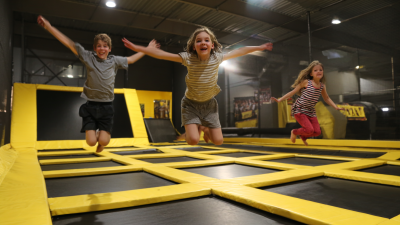
Top 10 Indoor Playground Trampoline Options for Global Buyers?
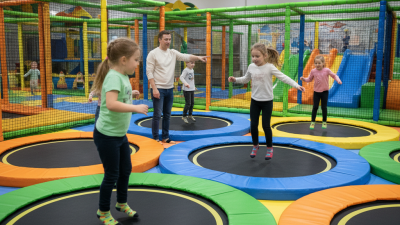
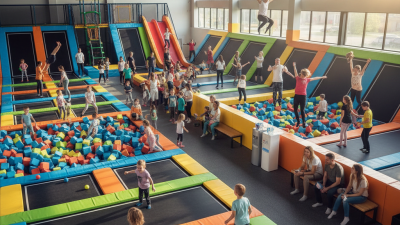
Indoor playgrounds have gained immense popularity worldwide. One of the standout attractions is the "Indoor Playground Trampoline." These trampolines provide children with a safe space to jump, play, and socialize. Expert Sarah Johnson, a renowned authority in the indoor amusement industry, emphasizes, "Trampolines can transform any indoor space into a fun and engaging environment for kids."
Choosing the right trampoline option can be challenging for global buyers. With various designs, safety features, and price ranges available, making an informed decision is crucial. Factors such as bounce quality and durability should not be overlooked. Additionally, consider the impact of local regulations on trampoline use.
As you explore your options, remember that each indoor playground trampoline has its own unique attributes. While some trampolines are designed for competitive jumping, others focus on creative play. This diversity can create confusion, making it essential for buyers to reflect on what best meets their needs. Understanding your audience and the local market can guide your choice effectively.
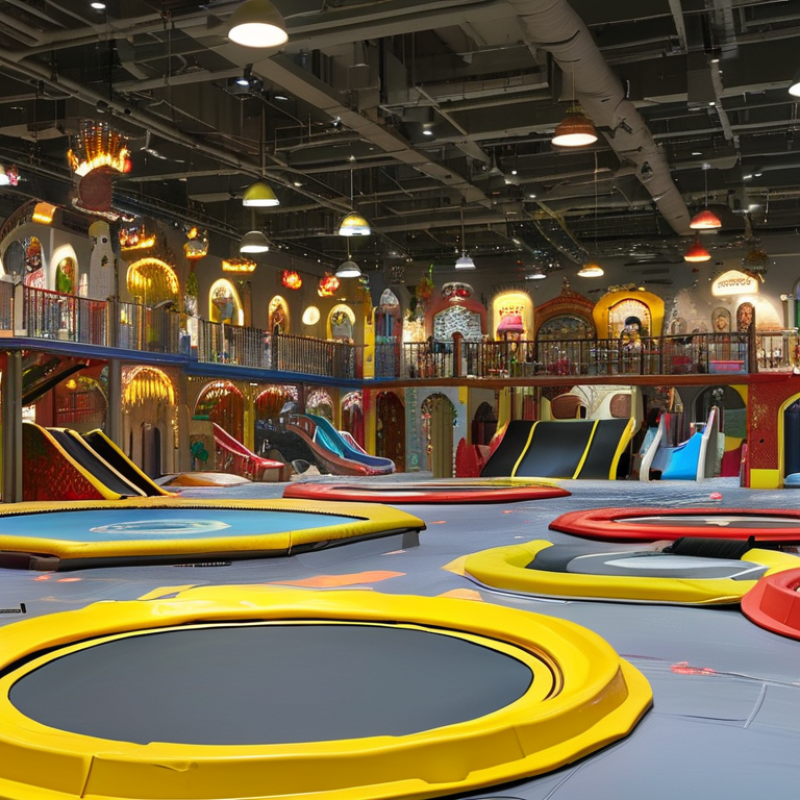
Benefits of Indoor Trampoline Playgrounds for Children
Indoor trampoline playgrounds offer numerous benefits for children's physical and mental development. According to a study from the American Journal of Health Promotion, active play can significantly improve children's cardiovascular fitness. Trampolining, in particular, enhances coordination and balance. A study noted that just 15 minutes of bouncing can increase heart rates to levels comparable to moderate physical activity.
Recent statistics indicate that children spend an average of seven hours a day on screens. Indoor trampoline parks provide a vital alternative to sedentary lifestyles. They encourage active play in a safe environment. Research from the National Institute for Play emphasizes the importance of physical activity in promoting social skills. Kids learn teamwork and communication while having fun on trampolines.
However, there are safety concerns. Injuries can occur, especially without proper supervision. A report from the Consumer Product Safety Commission highlighted that trampoline-related injuries have been on the rise. It’s critical to develop guidelines that ensure a safe play experience. Operators must also focus on training staff effectively to mitigate risks. Maintaining safety standards should be a priority to foster not only fun but also a secure atmosphere for children.
Top 10 Indoor Playground Trampoline Options for Global Buyers
| Model |
Size (ft) |
Recommended Age |
Weight Limit (lbs) |
Safety Features |
Benefits |
| Trampoline A |
8x8 |
5-12 years |
200 |
Enclosed safety net |
Boosts coordination, promotes physical activity |
| Trampoline B |
10x10 |
3-10 years |
150 |
Padded edges |
Encourages social interaction and teamwork |
| Trampoline C |
12x12 |
5-15 years |
250 |
Safety enclosure and padding |
Improves balance and agility |
| Trampoline D |
14x14 |
6-14 years |
300 |
Robust safety net |
Builds confidence and strength |
| Trampoline E |
16x16 |
8-16 years |
350 |
Multiple safety features |
Encourages cardiovascular health |
| Trampoline F |
20x20 |
10-17 years |
400 |
Heavy-duty enclosure |
Promotes teamwork and exercise |
| Trampoline G |
8x8 |
3-8 years |
120 |
Foam padded details |
Stimulates motor skills |
| Trampoline H |
10x10 |
4-12 years |
180 |
Quick-release safety net |
Enhances fitness fun |
| Trampoline I |
12x12 |
5-15 years |
300 |
Patented shock-absorbing design |
Improves resilience and discipline |
| Trampoline J |
14x14 |
6-14 years |
320 |
Comprehensive safety net |
Fosters creativity and fun |
Key Features to Consider When Choosing a Trampoline
When selecting an indoor trampoline, safety is paramount. Look for features like safety nets and padding. These can prevent injuries during use. A sturdy frame is also critical. It should withstand heavy use and provide stability.
Evaluating the material quality is essential. Durable materials ensure longevity and reduce maintenance needs.
Bounce quality impacts the overall experience. Soft landings are crucial for safe play. A trampoline with multiple springs provides better bounce and support. Think about space requirements too. Measure your area before making a choice. A compact design may fit better in smaller rooms.
Consider additional features like basketball hoops or foam pits. These enhance the fun and offer varied activities. While more exciting options can attract interest, ensure they don’t compromise safety. Reflecting on your needs is vital. A trampoline should cater to your specific situation without overextending your budget. Always remember to prioritize quality and safety as primary factors in your decision.
Top Indoor Trampoline Playground Brands for Global Buyers
When exploring indoor trampoline playgrounds, buyers should prioritize brands that focus on safety and user experience. The best brands invest in durable materials, ensuring long-lasting play surfaces. They emphasize safety features such as padded edges and non-slip surfaces, which are vital for minimizing injuries.
Beyond safety, the design of these playgrounds impacts overall enjoyment. A variety of trampoline shapes and sizes can enhance the experience for all ages.
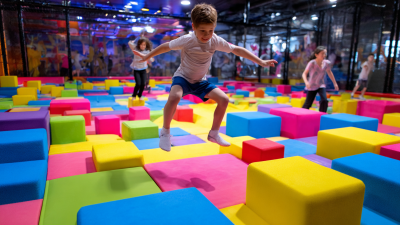
Some brands offer unique features, like foam pits or climbing walls. These additions encourage creativity and active play, engaging children in a fun environment.
It's important to consider the playground's maintenance needs. Reputable brands provide guidance on upkeep. Some require regular inspections, which can be a challenge for busy facilities. Reflecting on both play dynamics and maintenance can lead to better investment choices. Buyers must weigh these factors carefully for long-term satisfaction and value.
Safety Standards and Regulations for Indoor Trampolines
Indoor trampolines offer fun and exercise, but safety is paramount. Various safety standards guide manufacturers and buyers. The ASTM International provides guidelines that focus on materials and structural integrity. Compliance with these standards can significantly reduce injury risks. According to a 2021 report by the Consumer Product Safety Commission, undirected injuries from trampolines have dropped by 30% due to improved safety measures.
Nationwide, trampoline parks are growing. Facilities must adhere to strict guidelines, such as padding around the edges and clear signage. A 2022 analysis showed that over 60% of injuries in trampoline parks were linked to unsafe practices. Regular inspections can reveal maintenance needs, ensuring safety compliance. Facility owners should prioritize training for staff in emergency response and trampoline safety.
Regulations can vary significantly by region. Local authorities often develop specific rules to meet community needs. Some countries mandate protective features, while others focus on user guidelines. This discrepancy can lead to challenges in establishing a uniform safety standard. Regular reviews of protocols are essential to adapt to the evolving play trends and safety requirements.
Maintenance Tips for Indoor Trampoline Playgrounds
Maintaining an indoor trampoline playground is crucial for safety and fun. Regular inspections are necessary. Check the trampoline pads and mats for wear and tear. Frayed edges can lead to injuries. Keeping the jumping area clean prevents dirt buildup, which can affect the equipment's longevity. Dust and debris can be slippery; thorough cleaning is vital.
It’s also essential to monitor the user capacity. Overcrowding can increase risks and damage equipment. Use clear signage to indicate the maximum limit. Encourage users to follow trampoline etiquette. This includes waiting their turn and avoiding rough play.
Investing in proper maintenance tools is a wise move. Use a soft-bristle brush for cleaning. Ensure springs are securely attached and free from rust. Maintenance may seem tedious, but it’s a reflection of your commitment to safety. If something appears off, investigate it closely. An unaddressed issue can escalate quickly. Keeping a maintenance log can help track repairs and identify patterns.


 CONTACT NUMBER
 CONTACT NUMBER
 CONTACT NUMBER