What is Indoor Play Equipment Commercial Advantages and Options?
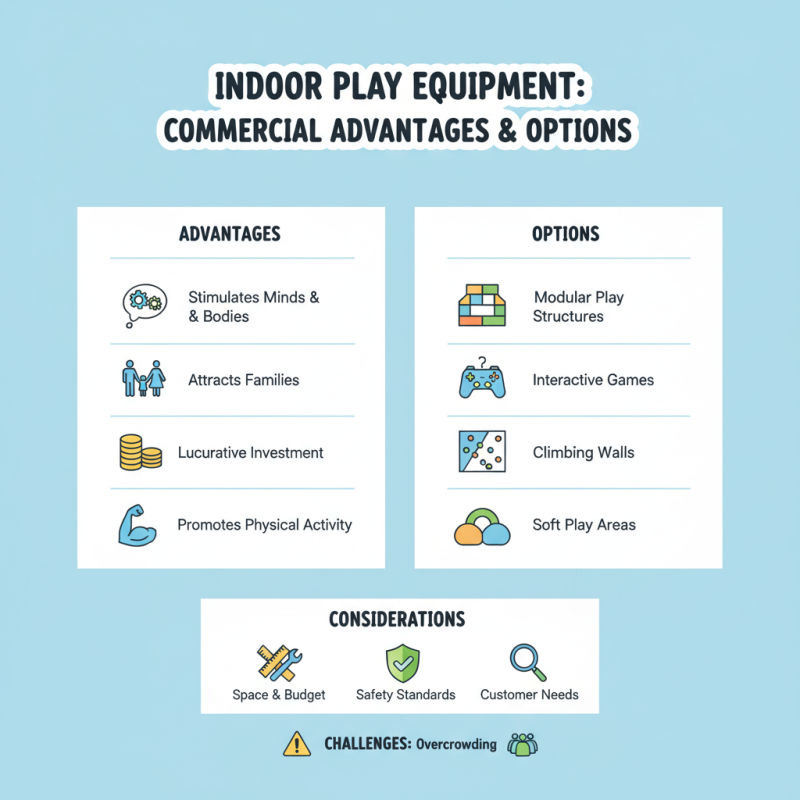
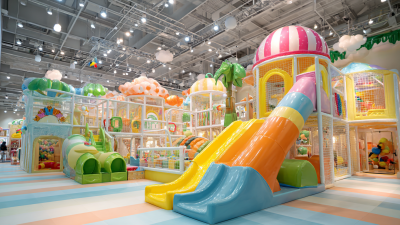
Indoor Play Equipment Commercial is becoming increasingly popular. Many businesses see it as a lucrative investment. This equipment stimulates children's minds and bodies, promoting physical activity in fun ways. Playgrounds, climbing walls, and soft play areas attract families seeking entertainment.
The market offers diverse options. From modular play structures to interactive games, choices cater to various age groups and interests. However, careful consideration is necessary. Not all equipment is suitable for every space or budget. Ensuring safety standards is crucial. Investing in quality equipment leads to lower maintenance costs.
The indoor play industry also faces challenges. Spaces can become overcrowded, leading to safety concerns. Understanding customer needs is vital for success. Businesses must adapt equipment and services to change. By reflecting on these factors, operators can enhance their commercial opportunities.
Definition and Overview of Indoor Play Equipment
Indoor play equipment refers to structures and activities designed for children's entertainment and growth. These spaces can be found in various settings, including schools, daycare centers, and recreational facilities. The primary goal is to provide a safe and engaging environment for physical activity. Equipment like slides, climbing walls, and soft play areas encourage children to explore and socialize.
Creating an indoor play area involves thoughtful consideration of space and safety. The layout should allow for free movement while preventing overcrowding. Important features include cushioned flooring and age-appropriate equipment. Regular maintenance and inspections are crucial. They ensure that everything remains safe and functional. Parents often appreciate a clean and organized space.
However, designing such areas can be challenging. It requires balancing a spectrum of activities to cater to different age groups. Some designs may neglect the importance of quiet spaces. This can lead to overstimulation. Reflecting on user experiences can provide insights for improvement. Choices made in design impact safety and enjoyment. Addressing these aspects can enhance an indoor play environment significantly.
Commercial Advantages of Indoor Play Equipment
Indoor play equipment has become essential for many commercial venues. These installations not only enhance customer engagement but also create an inviting atmosphere for families. According to a report by the International Association of Amusement Parks and Attractions, indoor play facilities can increase customer dwell time by up to 40%. This extended stay often translates to higher spending on food and other amenities.
The financial benefits are clear. Investing in indoor play areas can lead to a 25% rise in overall revenue for businesses like restaurants and entertainment centers. Children require safe, stimulating environments. Parents seek venues where their kids can play and learn. Yet, many establishments overlook the need for regular equipment maintenance. This oversight can lead to safety risks. A research study indicated that nearly 56% of indoor play areas reported incidents due to poor upkeep.
Spaces that feature diverse play options tend to attract a wider demographic. Indoor climbing walls, ball pits, and soft play structures provide varied experiences. However, developing these spaces can be resource-intensive. Some owners struggle with the initial investment. Ultimately, there are significant rewards in building a quality indoor play area. Ignoring these opportunities can mean losing out to competitors who prioritize family-friendly environments.
Commercial Advantages of Indoor Play Equipment
Types of Indoor Play Equipment Available in the Market
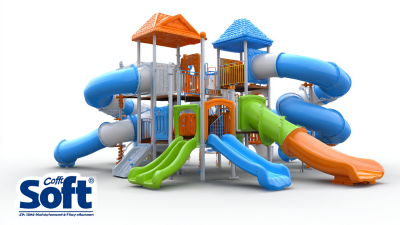
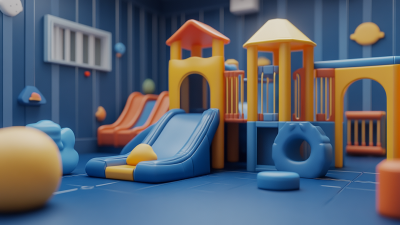
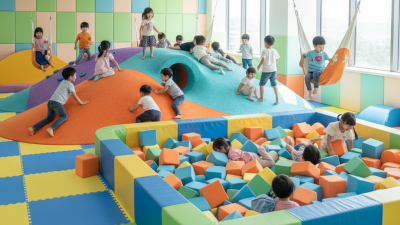
Indoor play equipment comes in various forms, catering to diverse needs. One prominent category is soft play structures. These are often colorful and inviting. They encourage children to explore safely. Foam pits and climbing structures boost physical activity. Parents appreciate the safety features.
Another popular option is interactive play stations. These involve games that enhance learning. They promote cognitive skills alongside physical exercise. Some designs incorporate technology, offering engaging digital experiences. However, balancing screen time with active play remains a challenge.
Finally, trampolines and obstacle courses are thrilling choices. They enhance coordination and agility. Trampolines offer a fun way to burn energy. Yet, they can present safety risks if not supervised adequately. Ensuring proper guidelines and supervision is crucial for a safe experience.
Factors to Consider When Choosing Indoor Play Equipment
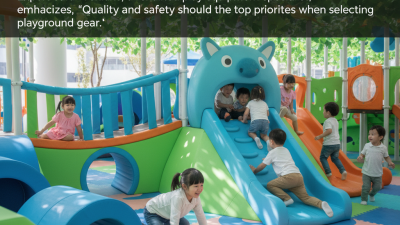
When selecting indoor play equipment, several factors come into play. Safety is the foremost concern. Equipment should meet established safety standards to protect children during play. Inspecting materials and construction is crucial here. Consider the age group that will use the equipment. Younger children require different designs than older ones.
Space is another key consideration. The layout of your facility can limit equipment options. Measure the area accurately and think about the flow of movement. It’s also worth contemplating the type of play experience you want to offer. Do you prefer active play, imaginative play, or a mix?
Budget constraints often lead to difficult choices. Quality often comes with a higher price tag. It’s tempting to go for the cheaper option. However, this can lead to safety issues or quick deterioration. Look for long-lasting materials that can withstand heavy use. Kids can be rough on equipment, and durability matters.
Innovative Trends in Indoor Play Equipment Design and Functionality
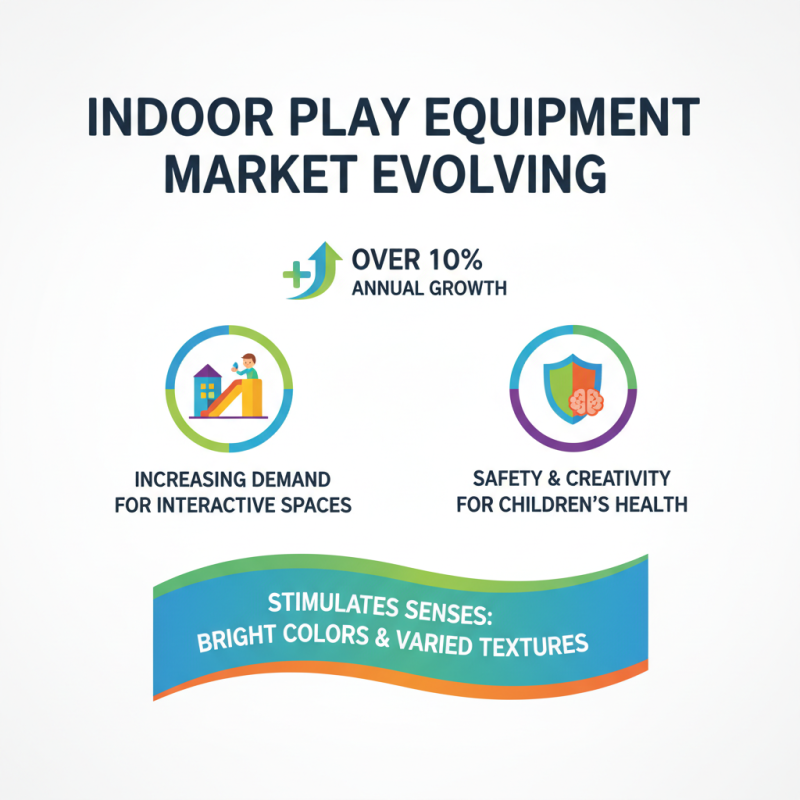
The indoor play equipment market is evolving. Recent reports indicate that the sector is expected to grow by over 10% annually. This rise highlights the increasing demand for interactive and engaging play spaces. Modern indoor designs often combine safety with creativity, ensuring children’s health is prioritized. With vibrant colors and varied textures, these spaces stimulate the senses.
Tips: Consider incorporating multi-sensory elements. Children respond well to sound, touch, and sight. Make the area vibrant and inviting.
Many facilities now feature modular designs. This flexibility allows for space adjustments based on user needs. Inclusive play areas are on the rise. Statistics show that 90% of children prefer spaces that encourage social interaction. However, not all designs accommodate diverse play styles.
Tips: Assess accessibility when planning your space. Ensure all children can participate, regardless of ability. Regular feedback from parents and children can drive improvements.


 CONTACT NUMBER
 CONTACT NUMBER
 CONTACT NUMBER