How to Choose Indoor Play Equipment for Commercial Use?
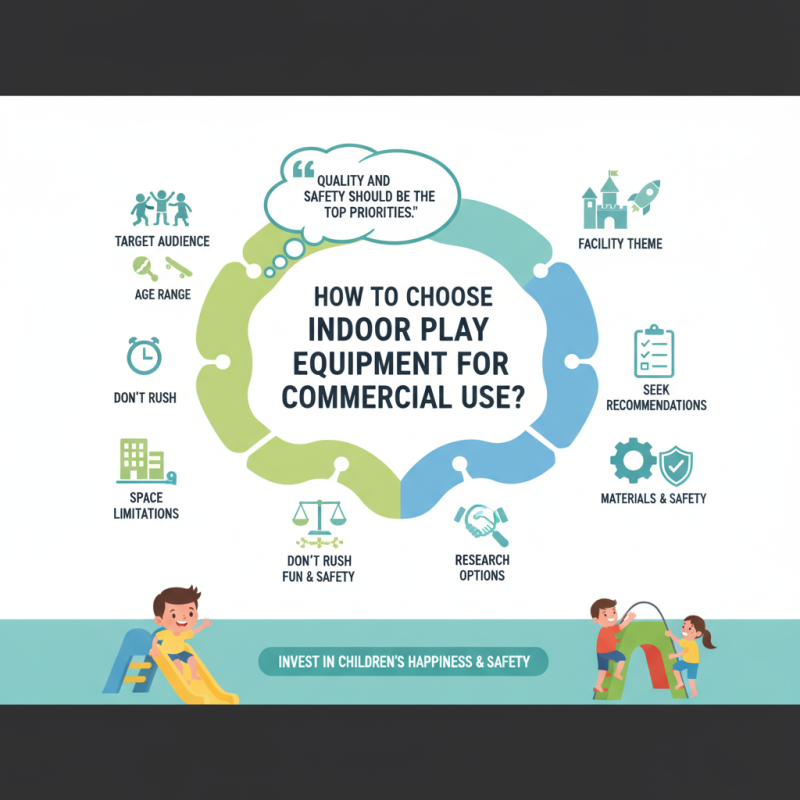
Choosing the right indoor play equipment for commercial use is a crucial decision. It impacts the overall safety and enjoyment for children. Sam McKenzie, a well-known expert in the Indoor Play Equipment Commercial industry, once stated, “Quality and safety should be the top priorities when selecting play equipment.” This insight highlights the key factors to consider.
Understanding your target audience is essential. You should consider the age range of children who will use the equipment. Additionally, space limitations and the theme of your facility play a significant role. Researching various equipment options can be overwhelming. The market is filled with different styles, materials, and safety features. Some choices may look appealing but fail to meet safety standards.
Don’t rush this process. Take the time to assess your unique needs. A balance between fun and safety is vital. Seek recommendations from other businesses in the industry. A thoughtful approach ensures you make an informed choice. Remember, investing in quality indoor play equipment is an investment in children's happiness and safety.
Understanding Your Target Audience for Indoor Play Equipment
Understanding your target audience is crucial when choosing indoor play equipment for commercial use. Families visiting your facility typically have specific desires. They look for safe, engaging, and age-appropriate options. Consider factors like age ranges, interests, and even local culture. This awareness shapes your equipment selection and enhances customer satisfaction.
Safety is a major concern for parents. They want to ensure their children can play without risks. Conducting surveys or holding focus groups can provide insights into what parents value most. Are they interested in active play, or do they prefer more imaginative setups? Such feedback can guide your purchases and improve the overall experience.
Additionally, don’t overlook the importance of variety. A well-rounded selection can attract a broader audience. Balance high-energy structures with quieter spaces for younger kids. However, not all trends will resonate with your audience. Testing different options allows for adjustments based on actual usage. Pay attention to how children interact with the equipment. Their play patterns can reveal preferences you may not have anticipated.
Indoor Play Equipment Popularity Among Different Age Groups
This chart illustrates the popularity of various types of indoor play equipment among different age groups, showcasing how preferences vary and helping businesses understand their target audience better.
Assessing Space Requirements and Layout Considerations
When choosing indoor play equipment for commercial use, assessing space requirements and layout considerations is vital. The American Association of Pediatrics suggests that a minimum of 100 square feet per child is essential for safe play environments. This metric aids in determining how much equipment can reasonably fit while ensuring that children can move freely without the risk of injury.
Consider the types of equipment that offer versatility and maximize space. For example, modular play units can be rearranged to suit different areas. A study published in the Journal of Play suggests that multi-use equipment can encourage various types of play, enhancing the physical and cognitive development of children. However, layout planning is challenging. It’s important to balance equipment size with open areas for active movement.
Traffic flow is another essential factor. Research indicates that poorly designed layouts can lead to overcrowding and accidents. Keeping walkways clear and ensuring visibility across the play area can mitigate risks. Reflecting on past experiences is also important. After all, even minor adjustments in spacing or equipment type can significantly alter the play experience. Regular feedback from patrons can guide necessary changes, enhancing overall safety and enjoyment.
Choosing the Right Types of Play Equipment for Your Business Model
Choosing the right types of play equipment for your business model is crucial. First, consider the age group you want to target. Different age ranges require specific types of equipment. For toddlers, soft play areas with foam structures work well. These spaces promote safe exploration and social interaction. Older children often enjoy more challenging equipment, like climbing walls or obstacle courses.
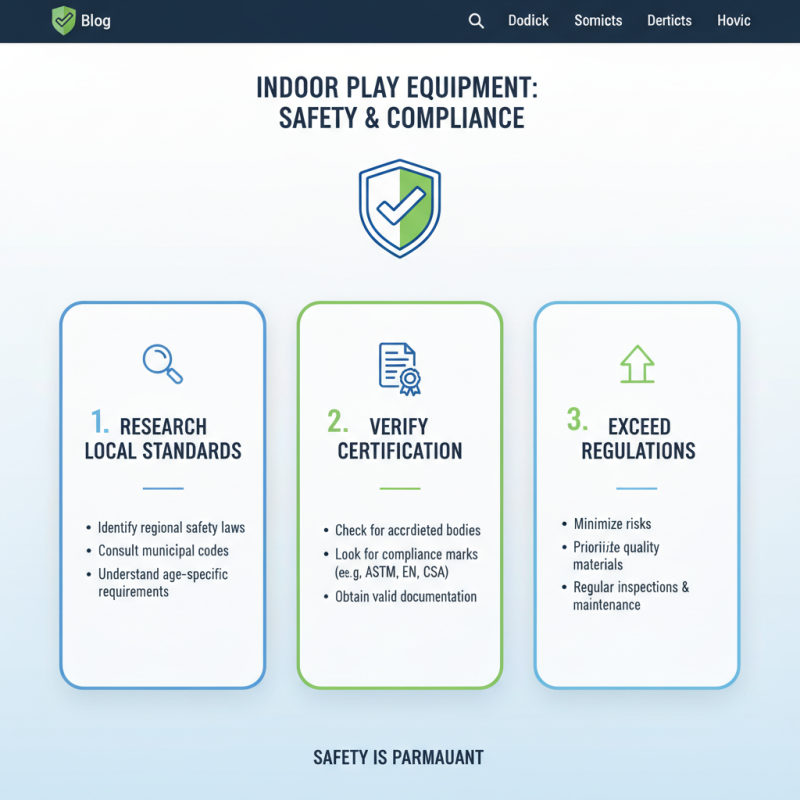
Tips: Always check safety standards for each piece of equipment. This ensures your customers' peace of mind. Additionally, think about maintenance needs. Some equipment may require more upkeep than others, impacting your operating costs.
Another aspect to evaluate is the available space. Measure your facility accurately before purchasing. Compact designs work for smaller venues, whereas spacious layouts allow for expansive play areas.
Tips: Maximize your space with multi-functional equipment. This allows for various activities in one area. Flexibility can attract more customers, as they seek diverse experiences.
Remember to gather feedback from your customers. Understanding their preferences can guide future purchases. Don’t overlook the importance of adaptability in your play space. Reflecting on what works, and what doesn’t, can lead to better decisions moving forward.
How to Choose Indoor Play Equipment for Commercial Use? - Choosing the Right Types of Play Equipment for Your Business Model
| Equipment Type |
Age Range |
Space Requirement |
Safety Features |
Maintenance Level |
| Climbing Structures |
3-10 Years |
Large |
Non-slip surfaces, padded edges |
Medium |
| Ball Pits |
1-6 Years |
Medium |
Soft walls, easily cleanable |
Low |
| Interactive Games |
3-12 Years |
Variable |
Shock absorbent flooring |
Medium |
| Slides |
2-10 Years |
Medium to Large |
Rounded edges, proper height |
Medium |
| Swings |
2-8 Years |
Medium |
Safety harnesses, soft landings |
High |
Budgeting for Purchase, Installation, and Maintenance Costs
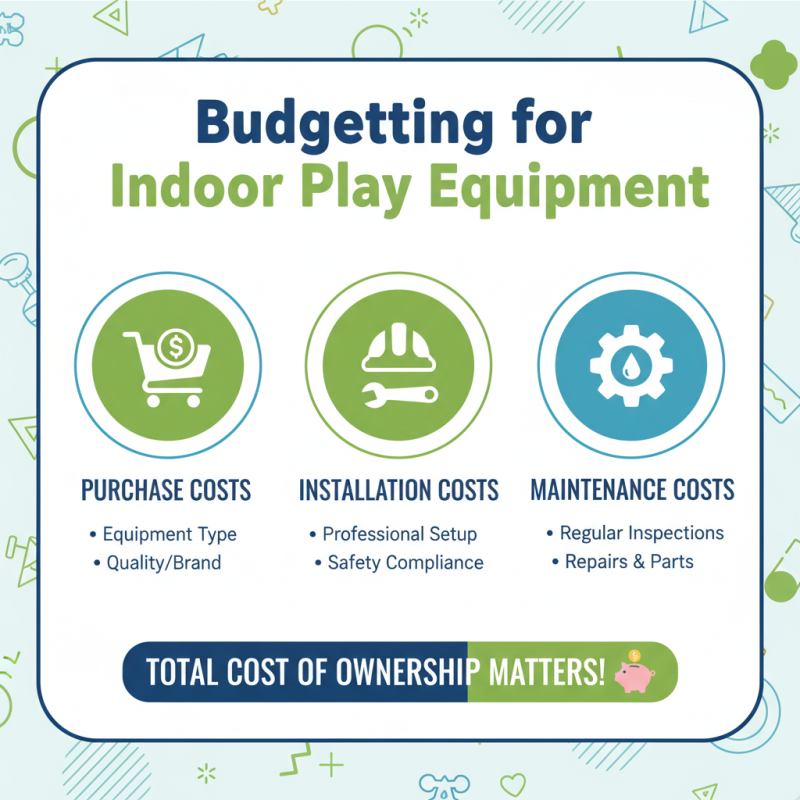
When budgeting for indoor play equipment, understanding total costs is crucial. Consider the initial purchase costs, which can vary significantly based on equipment type and quality. Installation fees should also be part of your budget. Professional installation can ensure safety and proper setup but can add to overall expenses. Planning for these costs upfront helps avoid surprises later.
Maintenance costs are often overlooked but are key to ensuring long-term use. Regular maintenance keeps equipment safe and enjoyable for children. Factor in costs for inspections, repairs, and any necessary replacements. It's wise to set aside a portion of your budget specifically for this. This approach not only extends the life of the equipment but builds trust with your customers, who value safety and reliability in play environments.
While budgeting, reflect on your priorities. Are you investing in high-quality equipment, or are you aiming for a lower upfront cost? Sometimes, cheaper options lead to increased maintenance expenses. Balancing initial costs with potential long-term savings can help you make informed choices. Ensure your equipment not only fits your budget but also creates a safe, fun, and engaging environment for children.


 CONTACT NUMBER
 CONTACT NUMBER
 CONTACT NUMBER