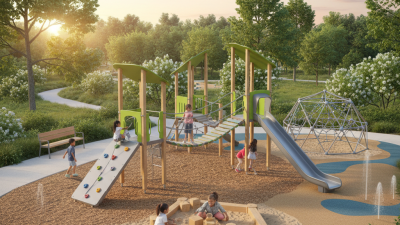
How to Choose the Best Playground Apparatus for Kids?
Choosing the right playground apparatus is crucial for children's development. Studies show that over 30% of childhood injuries happen on playgrounds, highlighting the importance of safe equipment. As parents, selecting the right apparatus involves understanding both safety standards and play value.
The National Program for Playground Safety notes that age-appropriate equipment can significantly reduce injury risks. For instance, swings designed for toddlers differ from those for older children. Investing in durable materials also ensures longevity and safety. However, not all playground apparatus is created equal; some may even encourage risky behaviors.
Reflecting on local playgrounds, many lack variety or proper safety features. A well-chosen playground apparatus can foster social skills and physical health. Engaging children in the selection process can be beneficial. Their input helps ensure the apparatus meets their needs and sparks their imagination.
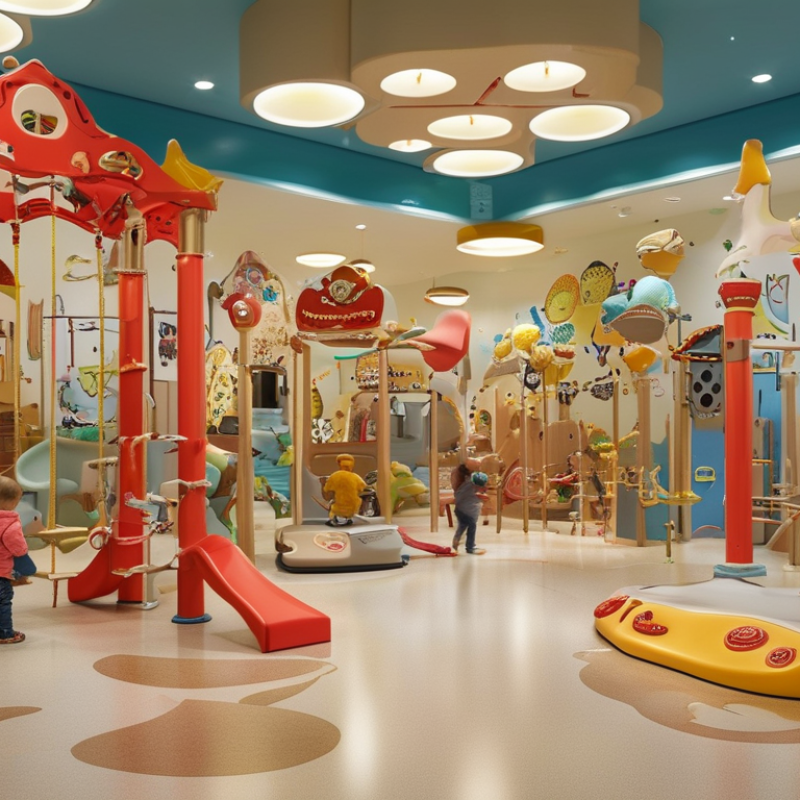
Factors to Consider When Selecting Playground Equipment for Children
Choosing the right playground apparatus for kids involves careful consideration of various factors. Safety should be your top priority. Look for equipment made from durable materials and designed to minimize injuries. Check for rounded edges, sturdy construction, and a safe fall zone underneath the apparatus. Inspect the equipment regularly for wear and tear.
Another crucial factor is age appropriateness. Ensure the playground equipment suits different age groups. Young children need smaller, simpler structures to maintain safety. For older kids, provide more complex challenges. This variety keeps children engaged and active, fostering physical development.
Tips: Always choose equipment that complies with safety standards. It’s essential to read reviews and recommendations from other parents. Don’t overlook the importance of shade. Areas offering protection from the sun encourage longer playtime.
Encouraging social interaction is also vital. Look for apparatus that promotes group play like swings or climbing structures. However, remember that supervision is key. No playground is entirely risk-free. Regularly observe children as they play, and intervene when necessary. Emphasizing both fun and safety ensures a satisfying play experience.
Types of Playground Apparatus: Swings, Slides, and Climbing Structures
When selecting the best playground apparatus for kids, understanding the various types is crucial. Swings provide a sense of freedom. They enhance balance and coordination. Children love the thrill as they soar through the air. Consider adjustable swings to accommodate children of different ages. Look for safety features, such as soft seats and sturdy frames.
Slides are another popular choice. They come in various heights and designs, catering to different skill levels. A gentle slope is ideal for younger kids. Meanwhile, taller slides attract more adventurous spirits. Remember to check the materials. Plastic slides can be warmer in the sun but are generally safer.
Climbing structures challenge children physically and mentally. They help build strength and confidence. These can include simple climbing walls or intricate jungle gyms. Ensure there’s enough space around these structures for safe play. Some designs may look fun but could pose risks, especially for younger climbers. Always prioritize safety and proper supervision when children engage in climbing activities.
How to Choose the Best Playground Apparatus for Kids? - Types of Playground Apparatus: Swings, Slides, and Climbing Structures
| Type of Playground Apparatus |
Recommended Age Group |
Benefits |
Safety Features |
| Swings |
2-12 years |
Enhances balance, coordination, and social skills |
Safety harness, soft landing areas |
| Slides |
2-10 years |
Encourages gross motor skills and independent play |
Non-slip surfaces, cushioned edges |
| Climbing Structures |
3-12 years |
Builds strength, endurance, and problem-solving skills |
Enclosed spaces, soft grips, safety mats |
| Seesaws |
4-12 years |
Teaches teamwork and balance |
Rubber bumpers, low height |
| Monkey Bars |
5-12 years |
Improves upper body strength and hand-eye coordination |
Low height, rubberized flooring |
Safety Standards and Regulations for Playground Equipment
When selecting playground apparatus, safety standards are paramount. The U.S. Consumer Product Safety Commission (CPSC) recommends that all playground equipment meet specific guidelines. These guidelines ensure that the materials used are non-toxic and that designs reduce injury risks. Reports indicate that nearly 200,000 children are treated in emergency rooms for playground-related injuries every year, emphasizing the need for compliant equipment.
Playground safety surfaces are just as crucial. The American Society for Testing and Materials (ASTM) outlines that surfaces should be installed to cushion falls. Materials like rubber mulch or engineered wood fiber can absorb impact effectively. Yet, some installations still use inadequate surfaces, leaving children vulnerable to serious injuries. Regular inspections are needed to maintain safety standards continually.
Compliance with safety regulations is non-negotiable. The latest data reveals that improperly maintained equipment contributes significantly to accidents. Parents and guardians must educate themselves on the benchmarks for safety. They should also participate in monitoring equipment to ensure ongoing safety, as manufacturers' commitments alone are not enough. Keeping informed can lead to safer playground environments for our children.
Age Appropriateness of Playground Apparatus for Different Developmental Stages
Choosing playground apparatus for children involves understanding their developmental stages. Young toddlers thrive on equipment that supports basic motor skills. Low platforms, soft climbing structures, and gentle slides are ideal. These promote balance and coordination in a safe manner.
Preschoolers require more challenging options. They enjoy climbing, swinging, and sliding. Equipment should encourage imagination and social play. Features like tunnels, bridges, and varied heights captivate their curiosity. It’s crucial to ensure safety measures, such as proper spacing and soft landings, to prevent accidents.
Tips: Always consider the age range specified for each piece of equipment. Not all playgrounds cater to every age group. Regularly check for wear and tear on the apparatus. Frequent assessments can prevent injuries. Install surfaces that cushion falls, such as rubber mats or grass. Reflect on how your choices impact playtime. Even popular designs may not suit all children equally. Tailoring equipment to meet needs can enhance play experiences.
How to Choose the Best Playground Apparatus for Kids?
Durability and Maintenance Requirements of Playground Equipment
Choosing playground apparatus requires careful consideration of durability and maintenance. Kids are enthusiastic, but their energy can wear down equipment quickly. Choosing durable materials is crucial. Metal and treated wood often withstand heavy use better than softer materials.
Regular maintenance is vital for safety. Inspecting playground equipment regularly helps to identify wear and tear. Check for rust, cracks, and loose parts. Keeping surfaces clean prevents slips and injuries. Always keep an eye on exposed hardware that could pose risks.
Tips: Opt for equipment with smooth edges to minimize injury risk. Look for weather-resistant coatings to increase longevity. Speak with local schools or parks about their maintenance experiences. Such insights can guide your decisions effectively. Remember, a playground that is safe and fun requires ongoing attention and care.


 CONTACT NUMBER
 CONTACT NUMBER
 CONTACT NUMBER