How to Choose the Best Play Area Equipment for Kids?
Selecting the right Play Area Equipment is crucial for child development. According to a 2022 industry report by the National Association for the Education of Young Children, well-designed play spaces can boost cognitive and social skills in children aged 2 to 8. This emphasizes the need for careful consideration when choosing equipment.
As expert Maria Thompson, a leading designer in play area solutions, states, “Quality play equipment fosters creativity and physical health.” This highlights the importance of investing in durable and engaging toys and structures. Parents and educators often face challenges in finding equipment that meets safety standards while promoting active play.
Reflecting on industry trends, it’s evident that not all equipment offers the same benefits. Some popular items may not encourage interaction or physical activity as effectively. Therefore, evaluating the developmental impact of various types of Play Area Equipment can lead to more informed choices that benefit children’s growth.
Types of Play Area Equipment Suitable for Different Age Groups
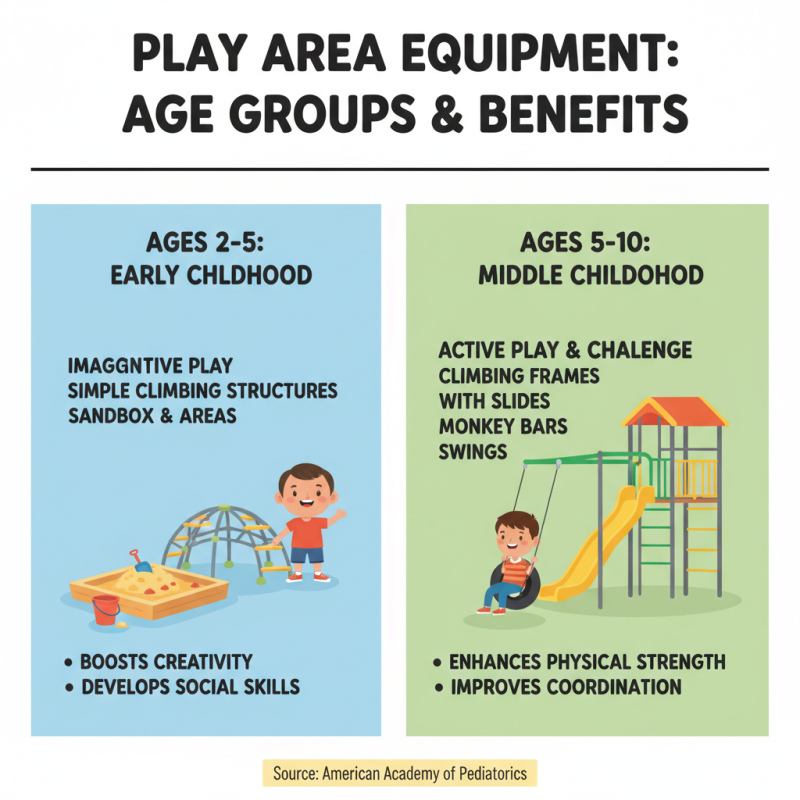
Choosing the right play area equipment is crucial for children's development. Different age groups require different types of equipment to ensure safety and promote growth. According to the American Academy of Pediatrics, children aged 2 to 5 thrive on equipment that encourages imaginative play, like simple climbing structures and sandbox areas. These components help boost creativity and social skills.
For older children, ages 6 to 12, the focus shifts to equipment that challenges their motor skills. Items like climbing walls and sports-related gear are excellent choices. A report from the National Recreation and Park Association highlights that 78% of kids prefer active play, which can reduce sedentary behavior. Yet, many parks still under-provide this type of equipment, leaving children with limited options.
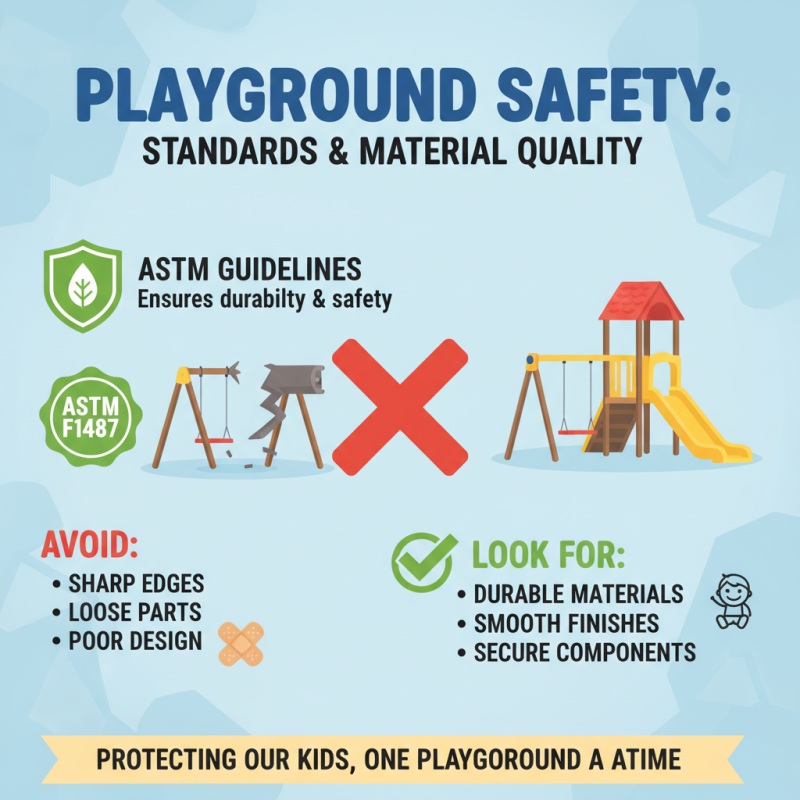
Safety is another critical factor to consider. The U.S. Consumer Product Safety Commission recommends features such as soft flooring and rounded edges for younger children. Unfortunately, not all manufacturers adhere to these guidelines, which could lead to injuries. Regular inspections of playground equipment are essential to maintain a safe environment for kids. Balancing fun with safety requires careful planning and constant evaluation of available resources.
Factors Influencing the Space Requirements for Play Equipment
When selecting play area equipment for kids, various factors influence the space requirements for these installations. According to the U.S. Consumer Product Safety Commission, safe playgrounds require at least 6 feet of safe surfacing around the equipment. This is crucial to minimize injury risks. Furthermore, the National Program for Playground Safety suggests the recommended play space per child is 75 square feet. This ensures children have enough room to play freely without overcrowding.
It's essential to consider the age group of children using the equipment. Younger children need smaller, more contained spaces, while older kids benefit from larger, more adventurous setups. As children grow, their play needs change, affecting how much space is necessary. Research indicates that varied equipment can engage children differently, emphasizing the need for diverse play areas.
Tips: Measure your planned area before purchasing. Make sure to factor in space for surrounding activities. Regularly assess the condition of existing equipment. It’s easy to overlook maintenance, but safety is paramount. Addressing these elements can prevent injuries and create a fun environment for kids.
How to Choose the Best Play Area Equipment for Kids? - Factors Influencing the Space Requirements for Play Equipment
| Equipment Type |
Recommended Age Group |
Required Space (sq ft) |
Safety Zone Required (sq ft) |
Maintenance Level |
| Swing Set |
2-12 years |
50 |
100 |
Medium |
| Climbing Frame |
5-12 years |
75 |
150 |
High |
| Slide |
3-10 years |
30 |
60 |
Low |
| Tokey Spinner |
2-8 years |
20 |
40 |
Medium |
| Sandbox |
1-6 years |
25 |
50 |
Low |
Budgeting for Playground Equipment: Cost vs. Value Analysis
When budgeting for playground equipment, it’s crucial to balance cost and value. The Consumer Product Safety Commission notes playground injuries result in over 200,000 visits to emergency rooms annually. Investing in high-quality equipment can minimize these risks, ensuring children's safety during playtime. Statistics show that 75% of playground injuries are due to unsafe equipment or inadequate supervision. Evaluating products that meet safety standards is essential.
Many municipalities face budget constraints when selecting playground solutions. A report by the American Academy of Pediatrics suggests allocating funds to equipment that promotes physical activity. Children aged 2-5 should have equipment that encourages gross motor skills. Therefore, while some cheaper options may be appealing, they might not provide long-term benefits. Investing an average of $5,000 to $10,000 per play area can yield a significant return, fostering healthy growth in children.
Parents and educators must consider not only the upfront costs but the potential value over time. While it may be tempting to choose the least expensive option, think about durability and maintenance. Playground equipment should withstand weather and heavy use. Reflecting on these factors leads to better decision-making, ensuring children enjoy safe and engaging play environments.
Cost vs. Value Analysis of Playground Equipment
Involving Kids in the Selection Process: Gathering Feedback and Ideas
When selecting play area equipment for kids, involving them in the decision process is vital. Children often have unique perspectives and preferences. According to a report by the International Playground Equipment Manufacturers Association, 70% of children express excitement when they can influence choices in play areas. This feedback helps in creating spaces they genuinely enjoy.
Gathering input can be done through fun activities. Organizing brainstorming sessions or surveys allows kids to voice their ideas about swings, slides, and climbing structures. An engaging environment, where they can share their thoughts, leads to better selection outcomes. A study showed that play areas designed with child feedback tend to see a 30% increase in usage and satisfaction among children.
Listening to kids is crucial but also requires balancing safety and creativity. Some suggestions may not meet safety standards or budget constraints. Regularly reviewing and reflecting on feedback ensures that the final decision benefits both children and caregivers. Striking this balance fosters a sense of ownership while promoting safe, enjoyable spaces for children to thrive.


 CONTACT NUMBER
 CONTACT NUMBER
 CONTACT NUMBER