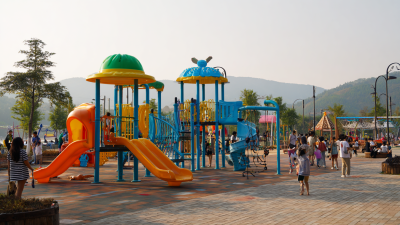
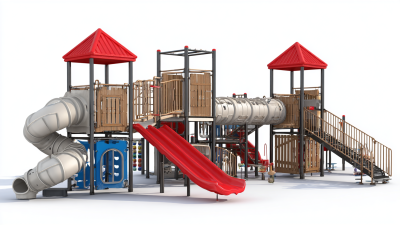
2025 How to Choose the Best Outdoor Play Structures for Kids' Fun
When it comes to creating a vibrant and engaging outdoor play environment for children, choosing the right outdoor play structures is essential. These structures provide not only a space for physical activity but also opportunities for social interaction, imaginative play, and overall developmental benefits. With a wide variety of options available in the market, parents and caregivers may find it challenging to select the best designs that cater to their children's needs and preferences.
In 2025, understanding the key factors in selecting outdoor play structures will be more important than ever. As children continue to seek new ways to explore and engage with their surroundings, the outdoor structures we choose must foster creativity and physical development. From climbing frames and slides to swings and interactive play panels, each type of structure serves a unique purpose in promoting active play. Furthermore, safety, durability, and space considerations should guide families in making informed decisions that align with their outdoor play settings.
Ultimately, the right outdoor play structures can transform any backyard or park into an adventurous playground. By reflecting on the interests and age groups of children, as well as the available space and safety regulations, this guide will assist you in finding the perfect outdoor play structures that will bring joy and excitement to your child's playtime.
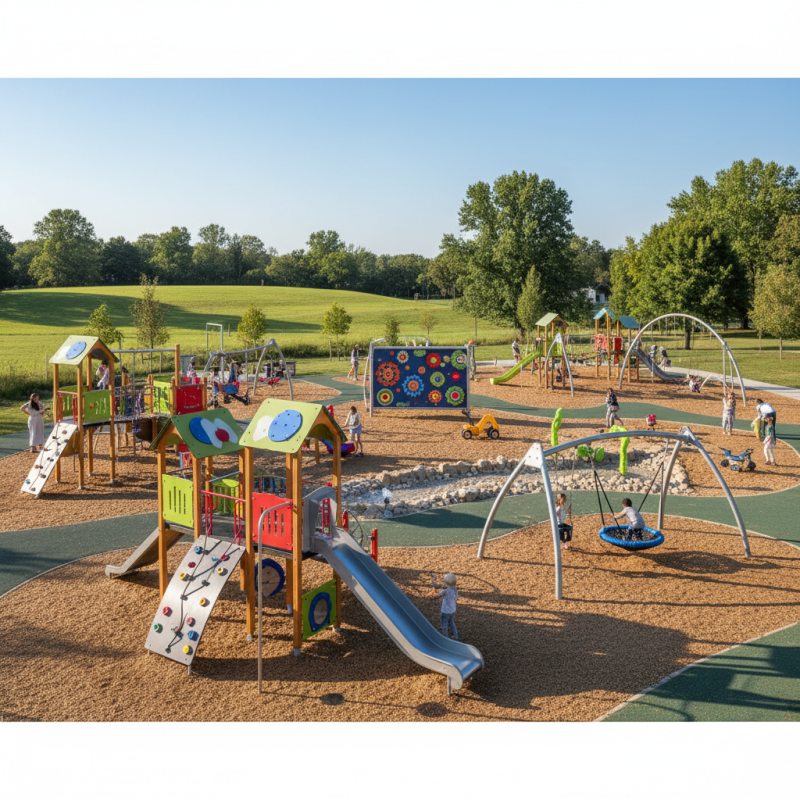
Factors to Consider When Choosing Outdoor Play Structures for Kids
When selecting outdoor play structures for children, several critical factors must be taken into account to ensure both safety and enjoyment. First and foremost, consider the age group of the children who will be using the structures. Different designs cater to various developmental stages, with features that are age-appropriate and promote physical activity. For younger children, structures with lower heights, rounded edges, and soft materials can minimize injury risks. For older kids, more advanced equipment that challenges their strength and coordination might be more appealing.
Another important consideration is the available space in your yard or designated play area. Measuring the space helps to determine the size of the structures that can be accommodated without overcrowding the area. Additionally, evaluating the terrain is essential; a level surface with grass or soft padding can enhance safety. Finally, look into the materials used in construction. Opt for durable, weather-resistant materials that can withstand the elements and allow for years of fun. Overall, a thorough assessment of age suitability, space, and material ensures that the chosen outdoor play structures provide a safe and enjoyable experience for children.
2025 How to Choose the Best Outdoor Play Structures for Kids' Fun
| Factor |
Description |
Importance (1-5) |
Recommended Age Group |
| Safety |
Ensure structures meet safety standards and have proper cushioning. |
5 |
1-12 years |
| Material |
Choose durable, weather-resistant materials. |
4 |
All ages |
| Size |
Consider space available in your yard for the structure. |
3 |
All ages |
| Activity Type |
Determine types of play (climbing, sliding, swinging) that will engage your kids. |
5 |
1-10 years |
| Budget |
Set a realistic budget, including installation and maintenance costs. |
4 |
All ages |
| Ease of Assembly |
Look for structures that are easy to assemble and disassemble. |
3 |
All ages |
Types of Outdoor Play Structures: Swings, Slides, and Climbing Frames
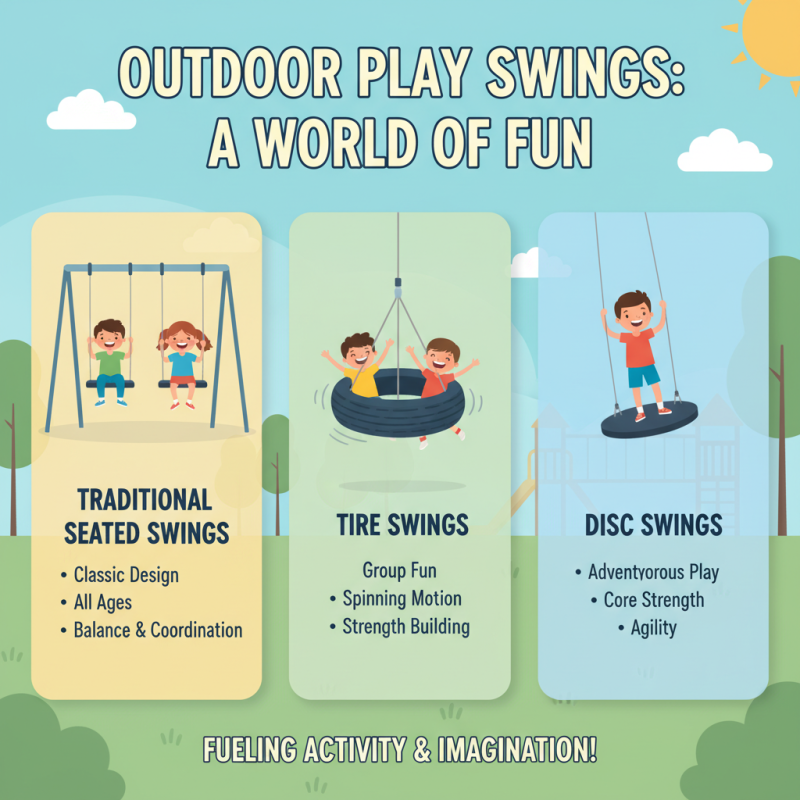
When selecting outdoor play structures for children, understanding the variety of available options is essential for creating a fun and engaging environment. Among the most popular choices are swings, which offer a timeless attraction for kids of all ages. Swings encourage physical activity and promote balance, coordination, and strength. They come in various designs, from traditional seat swings to tire swings and even more adventurous options like disc swings, catering to different preferences and age groups.
Slides are another fantastic addition to any play area, providing exhilarating rides that children love. They come in many shapes and sizes, including straight, spiral, and even multi-lane slides for races with friends. The thrill of sliding down not only entertains but also aids in developing motor skills and confidence as children climb to the top. Incorporating a slide into an outdoor play structure can significantly enhance its appeal and ensure hours of fun.
Climbing frames, on the other hand, offer an exciting challenge for kids. These structures encourage imaginative play while improving strength and coordination as children navigate their way up and down. Climbing frames can vary from simple ladders to complex multi-level setups with ropes, nets, and tunnels. They promote teamwork and social interaction as children play together, fostering important social skills and cooperation in a safe outdoor setting. Each type of play structure contributes uniquely to a child's development, making it crucial to consider a combination of swings, slides, and climbing frames when designing a play area.
Safety Standards and Materials in Outdoor Play Structures
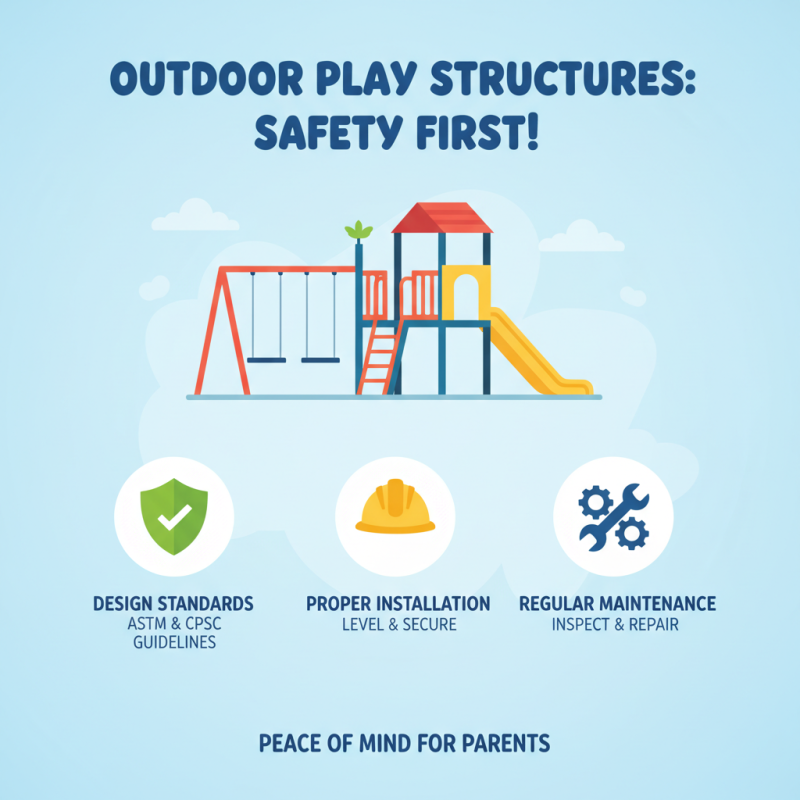
When selecting outdoor play structures for children, safety should be the primary concern. Various standards are in place to ensure that these structures provide a secure environment for play. For instance, organizations such as the American Society for Testing and Materials (ASTM) and the Consumer Product Safety Commission (CPSC) establish guidelines that focus on design, installation, and maintenance to mitigate risks. Careful adherence to these standards helps to prevent accidents and injuries, enabling parents to feel confident in their choices.
In addition to safety standards, the materials used in play structures play a significant role in enhancing safety and durability. Structures made from high-quality plastics and treated wood are recommended, as they are less prone to splintering or breaking. Furthermore, materials should be free from harmful chemicals or toxic substances, ensuring that they are safe for children to interact with. Features such as rounded edges, soft landing surfaces, and appropriate spacing can further contribute to the overall safety of outdoor play environments, creating a fun and secure space for kids to explore and engage in physical activity.
Age Appropriateness: Selecting Structures Based on Child Development
When selecting outdoor play structures for children, age appropriateness is paramount. Different age groups engage in play and explore their surroundings in diverse ways, and understanding these developmental milestones will help ensure that play structures cater to their specific needs. For toddlers, items like small slides and climbing frames that encourage basic motor skills and safe exploration are ideal. These structures should be designed with safety features such as rounded edges and non-slip surfaces, allowing children to safely experiment with climbing and sliding.
As children grow into preschool age, their play becomes more interactive and imaginative. Structures that incorporate more complex elements such as multi-level playhouses, tunnels, and swings provide opportunities for social interaction and collaboration. These designs help foster creativity and physical skill development, allowing children to engage in cooperative play. It's essential to consider the height and durability of these structures to accommodate more vigorous play while ensuring their safety. Moreover, incorporating sensory elements, such as textures or colors, can enhance the play experience significantly during these formative years.
Ultimately, choosing outdoor play structures with a keen understanding of age appropriateness promotes not only fun but also healthy physical and social development. By aligning play equipment with children's developmental stages, caregivers can create engaging environments that support active learning and exploration.
Maintenance Tips for Ensuring Longevity of Outdoor Play Equipment
Maintaining outdoor play structures is essential for ensuring the safety and longevity of the equipment. Regular inspections should be a part of your maintenance routine, where you check for any loose bolts, splintered wood, or rusted metal parts that can pose safety hazards. Investing in quality materials from the outset can minimize issues, but even the best play structures require attention. Cleaning the equipment periodically to remove dirt and debris not only enhances the aesthetic but also prevents the buildup of algae and mold that can deteriorate surfaces and create slippery conditions.
Another vital maintenance tip is to protect the play structure from the elements. Applying protective coatings, such as sealants on wooden structures, can shield them from moisture and UV damage. Additionally, ensuring proper drainage around the play area can prevent standing water, which can undermine the base and lead to premature deterioration. It’s also beneficial to survey the surrounding environment and trim back any overhanging branches that could fall on the equipment during storms. By implementing these maintenance strategies, you can extend the life of your outdoor play structures and provide a safe, enjoyable space for children to explore and engage in physical activity.
Outdoor Play Structure Maintenance Tips


 CONTACT NUMBER
 CONTACT NUMBER
 CONTACT NUMBER