How to Choose the Best Childrens Indoor Slide for Your Home
Choosing the best Children's Indoor Slide for your home can be a rewarding yet challenging task. Expert Jamie Wilkins, a renowned play equipment specialist, emphasizes, "Selecting the right slide ensures safe fun and physical activity." With various options available, it's vital to understand what fits your child’s needs.
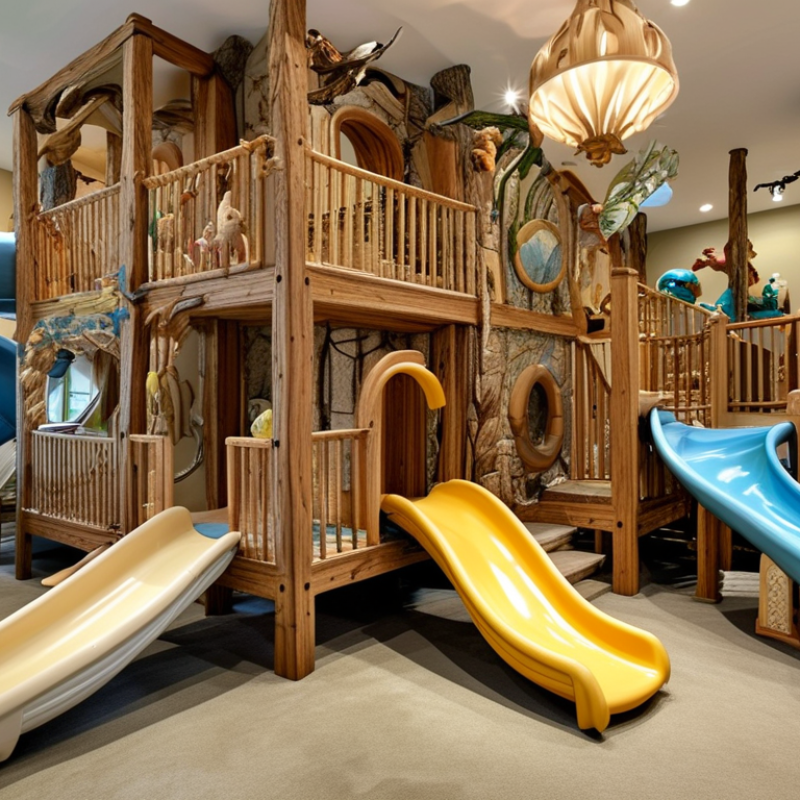
Consider the space available in your home. Some slides are compact, while others take up more room. Pay attention to safety features as well. A well-designed Children's Indoor Slide should be stable and made from non-toxic materials. Your child's age and interests play a significant role, too.
Moreover, colors and designs can enrich your child’s playtime. Choose a slide that sparks joy and encourages creativity. Reflect on the potential clutter it may create. Ultimately, the right slide should blend seamlessly into your home while providing endless entertainment.
Understanding the Different Types of Indoor Slides for Children
When choosing an indoor slide for kids, understanding the different types available is crucial. Indoor slides come in various designs, each offering unique benefits. For example, some slides are made of plastic, while others use fabric. Plastic slides are sturdy and easy to clean. They are often brightly colored, attracting children's attention. Fabric slides, on the other hand, are softer and can be more comfortable for indoor use.
Another aspect to consider is the size and height of the slide. Smaller slides suit toddlers, while taller ones appeal to older kids. Safety features are essential too. Look for slides with rounded edges and non-slip surfaces. These elements enhance safety during play. Additionally, think about where you will place the slide. Some slides are compact and fit in smaller spaces, making them a good choice for apartments.
You might face challenges when selecting the best slide. Not all slides fit every room. Some may be too large for your space or lack the sturdiness needed for energetic play. It's important to weigh these factors carefully. By understanding the types of indoor slides available, you can make a more informed decision for your home.
Key Features to Look for in a Children's Indoor Slide
When selecting a children’s indoor slide, safety is paramount. Many experts agree that a slide should have rounded edges to prevent injuries. The height is also crucial; slides over 5 feet often require additional safety features. A recent survey indicates that unintentional injuries account for nearly 5 million emergency room visits annually, highlighting the need for careful choices in child’s play equipment.
Material matters too. Slides made from high-quality plastic tend to be more durable and resistant to fading. According to industry standards, non-toxic materials are essential for children's safety. Look for certifications that guarantee the absence of harmful chemicals. Additionally, a non-slip surface can significantly reduce the risk of accidents during play.
Consider the slide's weight limit. Many indoor slides can accommodate children up to 150 pounds, which can be limiting as kids grow. Space should also be factored in. A combination of compact design and safety features makes it easier for parents to choose the right slide without compromising safety or playability. While parents want their kids to have fun, they often overlook these critical details. Engaging in thoughtful research can prevent future regrets.
How to Choose the Best Childrens Indoor Slide for Your Home - Key Features to Look for in a Children's Indoor Slide
| Feature |
Description |
Importance |
| Material |
Slides are typically made of plastic, wood, or a combination of both. Ensure materials are durable and safe for children. |
High - ensures safety and longevity |
| Height |
Choose a height suitable for your child's age and skill level. Taller slides are better for older children. |
Medium - affects play experience and safety |
| Weight Limit |
Check the weight limit to ensure it’s appropriate for your child or any friends who may use it. |
High - crucial for safety |
| Safety Features |
Look for rounded edges, non-slip steps, and stabilizing bases for added safety. |
High - essential for preventing injuries |
| Assembly |
Consider whether the slide requires complex assembly. Easier setups can be more convenient. |
Medium - affects user-friendliness |
| Size |
Make sure the slide fits in your available indoor space without overcrowding. |
High - must fit your environment |
| Design |
Choose a design that is visually appealing and matches your home’s interior. |
Medium - affects home aesthetics |
Assessing Safety Standards and Materials for Indoor Slides
When choosing a children's indoor slide, safety standards and materials are paramount. According to the American Society for Testing and Materials (ASTM), children's play equipment must meet specific safety guidelines. Look for slides constructed from high-density polyethylene (HDPE) or other non-toxic plastics. These materials are both durable and safe for kids. Avoid slides made from untreated wood or low-quality plastics that can splinter or leach harmful chemicals.
Tips: Check for visible safety certifications before purchasing. Slide height is also crucial. A slide that is too tall may pose a risk. A height of 3 to 4 feet is often ideal for home use. Ensure the slide has rounded edges to minimize the chance of injury.
Paying attention to the weight limit is also essential. Some slides support only a limited weight, which can lead to accidents. Always follow the manufacturer's recommendations to avoid mishaps. Furthermore, regular inspection of the slide for wear and tear will help maintain a safe environment for play. Children’s safety should never be underestimated; even small flaws can lead to big problems.
Considering Space and Design for Your Home's Indoor Slide
Choosing the right indoor slide for your child involves careful consideration of space and design.
Many homes have unique layouts, which can impact where a slide will fit.
Measure the area where you plan to place the slide. Is there enough space for safe play and movement?
An often overlooked aspect is the height of the ceiling. Ensure it’s high enough to avoid any accidents.
Design is just as important. A slide should blend well with your home’s decor.
Consider the color palette and materials that match your existing furniture.
Wood slides can provide a natural look, while plastic slides are available in vibrant colors.
Children love fun and bright designs, but don’t forget your aesthetic.
Take time to reflect on usage. Will the slide be a long-term addition?
High-quality materials last longer, but can be more expensive.
Focus on durability and safety features, but also consider your budget.
Sometimes, the most visually appealing option may not be the best for safety or longevity.
Balance is key in making a thoughtful choice.
Budgeting: Finding the Best Value for Children's Indoor Slides
When budgeting for a children's indoor slide, consider both cost and safety features. Prices can range widely, so setting a budget is essential. A good slide should offer sturdy construction and non-toxic materials. This ensures your child’s safety during play. Look for options that provide bright colors and engaging designs. They can make playtime more enjoyable.
Explore various retailers to find the best value. Compare prices and read reviews. Some slides may seem cheap but lack durability. Remember, a low price today may lead to higher costs later if it breaks. Assess the quality and warranty offers available. Sometimes investing a bit more upfront can save you money over time.
Consider the space in your home. Some slides are compact, suitable for small areas, while others require more room. Measure your space carefully before purchasing. Don’t forget to think about the lifespan of the slide. Will your child outgrow it quickly? Choose wisely to avoid frequent replacements. Play is important, but so is budgeting effectively for it.


 CONTACT NUMBER
 CONTACT NUMBER
 CONTACT NUMBER