2026 How to Choose the Best Indoor Playground Equipment for Kids?
Choosing the best Indoor Playground Equipment for kids involves understanding their needs and preferences. Renowned expert in child development, Dr. Emily Johnson, emphasizes, “Safety and engagement are key in play environments.” Her insights guide parents and educators in making informed decisions.
When selecting equipment, consider the age group it serves. Different ages require varying levels of challenge and safety features. For instance, toddlers benefit from soft play areas, while older kids seek climbing structures. Durability is paramount; the equipment must withstand rough play.
It's also essential to assess the layout of the space. An efficient use of space maximizes play opportunities. However, avoid overcrowded designs that might lead to accidents. Reflecting on these aspects can lead to a rewarding indoor play experience for children. Always focus on quality over quantity in your selections.
Understanding Indoor Playground Equipment Types and Features
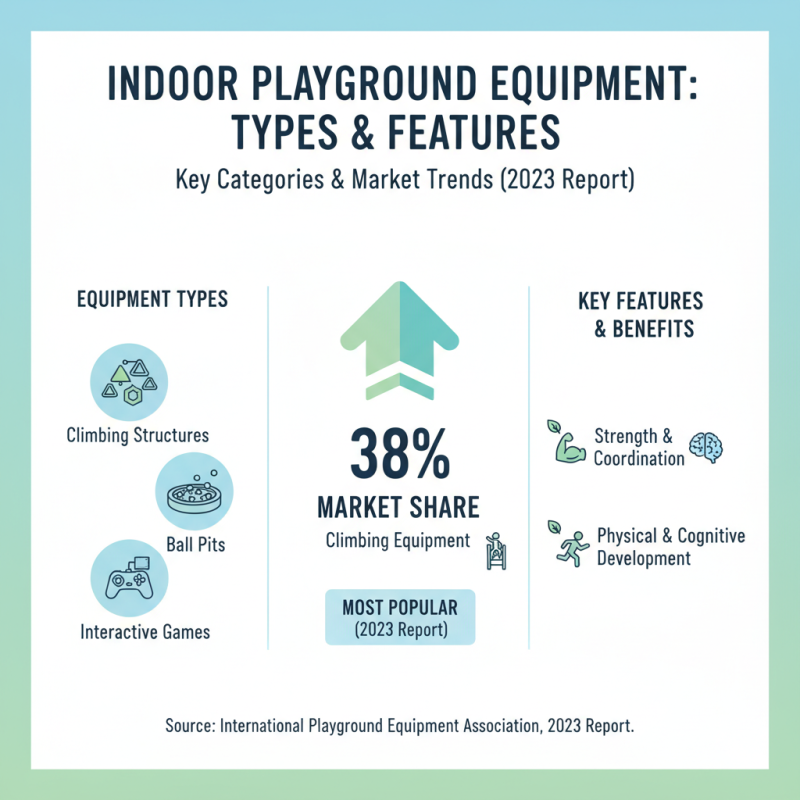
When selecting indoor playground equipment, understanding the types and features is crucial. Various categories exist, including climbing structures, ball pits, and interactive games. According to a 2023 report by the International Playground Equipment Association, climbing equipment is particularly popular, making up 38% of the market. Children enjoy climbing, which develops their strength and coordination.
Safety is an essential consideration. Ensure equipment meets safety standards. Soft play areas often have padded surfaces to cushion falls. A 2022 study showed that 75% of injuries in indoor play areas occurred due to inadequate safety measures. Parents must invest time researching the best options. Consider the age group and activity level of your children.
Cost is another factor. Quality equipment lasts longer but can be pricier. According to industry estimates, spending on durable and safe equipment can reduce long-term costs related to injury claims. Reflecting on these aspects can help you make informed choices, ensuring a safe, fun environment for kids.
Assessing Age Appropriateness for Indoor Playground Equipment
When selecting indoor playground equipment, age appropriateness is crucial. Kids develop at different rates. Equipment designed for younger children may not be safe for older ones. For example, a climbing structure suitable for toddlers could pose risks for preschoolers. Assess the height, weight limits, and design of each piece.
Consider the specific interests of different age groups. Younger kids may enjoy soft play and slides. In contrast, older children might prefer obstacle courses or higher climbing walls. Balance is key. If the equipment is too challenging, it can lead to frustration. If it's too easy, children may get bored.
Still, parents should reflect on their choices. It's tempting to prioritize flashy designs and colorful aspects. However, safety standards should always come first. Check for any sharp edges or gaps that could entrap small fingers. Choosing the right equipment means promoting fun while ensuring safety for every age.
Evaluating Safety Standards and Compliance for Kids' Play Equipment
When selecting indoor playground equipment for kids, safety is paramount. Parents and caretakers must prioritize compliance with safety standards. This includes checking if the equipment meets recommended guidelines set by relevant authorities. Equipment should be sturdy, with no sharp edges or small parts that can pose risks. Soft surfaces reduce injuries during falls, making them essential.
Evaluation of safety features is just as crucial. Look for features like padded barriers and non-slip surfaces. Even with the best intentions, some equipment might still have overlooked design flaws. Regular inspections play a vital role in ensuring that the playground remains safe for play. Equipment can wear down over time, leading to potential hazards that require immediate attention.
Create a safe environment through proper supervision and maintenance. Encourage open communication about safety concerns with children. They may not express discomfort until something goes wrong. Regularly updating safety protocols and training staff can prevent accidents. Investing time and resources into safety today can protect countless joyful moments tomorrow.
2026 Indoor Playground Equipment Safety Standards Evaluation
This bar chart illustrates the compliance rates for various safety standards concerning indoor playground equipment. The data is based on evaluations of five key safety criteria, showcasing the importance of ensuring that all equipment meets high safety standards for children's play environments.
Choosing Suitable Materials for Durability and Maintenance
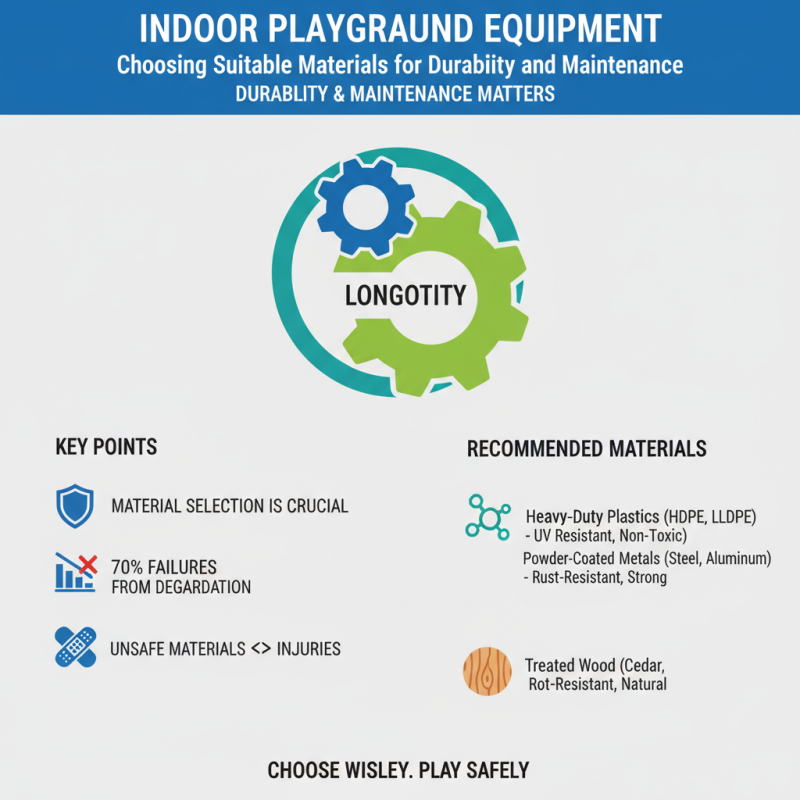
Choosing the right materials for indoor playground equipment is crucial for longevity. A recent industry report found that over 70% of playground failures are due to material degradation. Unsafe materials can lead to injuries, which is why selecting durable options is essential.
Plastic is often considered for its lightweight nature. However, not all plastics are created equal. High-density polyethylene (HDPE) is recommended for resistance to impacts and UV rays. It's important to check if the chosen plastic meets safety standards. Wood provides a classic aesthetic but requires regular maintenance to prevent splinters and rot. A 2022 report indicated that 45% of wood playgrounds needed repairs within three years due to weather damage.
Metals, like aluminum, are durable and rust-resistant but can be cold to touch. Proper coatings can mitigate this issue. A clear understanding of maintenance needs for each material is vital. Using the wrong material might lead to unexpected repair costs. Regular inspections are necessary to ensure safety. Each choice comes with its own challenges. Balancing aesthetics, safety, and upkeep can be daunting.
Considering Space and Layout for Optimal Playground Design
When designing an indoor playground, space and layout are crucial. According to a report by the International Playground Equipment Manufacturers Association, safety and accessibility are vital for effective layout. Planning the right amount of space for different activities helps children use their energy efficiently.
Many experts recommend a minimum ceiling height of 8 to 10 feet. This allows for vertical structures like slides and climbing walls. However, not all spaces have this luxury. Understanding the dimensions of your space will inform your choices. A well-thought-out plan can enhance children's play experience. It is essential to consider the flow of the playground. Areas should allow for movement without overcrowding.
The layout should include diverse zones for different activities. Zones for climbing, crawling, and sliding provide varied options. Reports indicate that children play longer when areas are well-defined. However, poorly designed spaces may lead to frustration. Play equipment placement matters. It impacts supervision and safety. Inadequate designs can create blind spots. Reflecting on these aspects will guide designers in creating engaging playgrounds.
2026 How to Choose the Best Indoor Playground Equipment for Kids? - Considering Space and Layout for Optimal Playground Design
| Equipment Type |
Recommended Age Group |
Space Requirement (sq. ft) |
Safety Features |
Cost Range ($) |
| Climbing Wall |
5-12 years |
100-300 |
Soft grips, padded landing |
1500-5000 |
| Ball Pit |
1-8 years |
50-150 |
Non-toxic balls, soft walls |
300-1200 |
| Slide |
3-10 years |
40-120 |
Rounded edges, anti-slip |
200-700 |
| Swing Set |
2-10 years |
50-100 |
Safety harness, soft flooring |
250-1000 |
| Interactive Play Panels |
2-5 years |
30-70 |
No sharp edges, stable mounts |
150-600 |


 CONTACT NUMBER
 CONTACT NUMBER
 CONTACT NUMBER