How to Choose the Best Indoor Playground Builders for Kids?
Choosing the right Indoor Playground Builders is crucial for creating a safe and engaging space for kids. According to a report by the International Association of Amusement Parks and Attractions, the indoor playground market continues to grow, hitting approximately $3.5 billion in value by 2023. This highlights the increasing demand for high-quality play environments.
Expert David Johnson, a renowned figure in the indoor playground industry, emphasizes, “Quality construction can determine a child's safety and enjoyment.” His insight underscores the significance of selecting builders who prioritize safety and innovation. The right builders understand the latest trends and standards in playground design.
Not all builders are created equal. Some may cut corners, compromising safety and durability. It's essential to research and compare portfolios, checking for client testimonials and industry credentials. Pay attention to details such as materials used and safety features integrated into the designs. Trustworthy Indoor Playground Builders will be transparent about their processes and willing to address your concerns.
Researching Indoor Playground Builders: Key Considerations
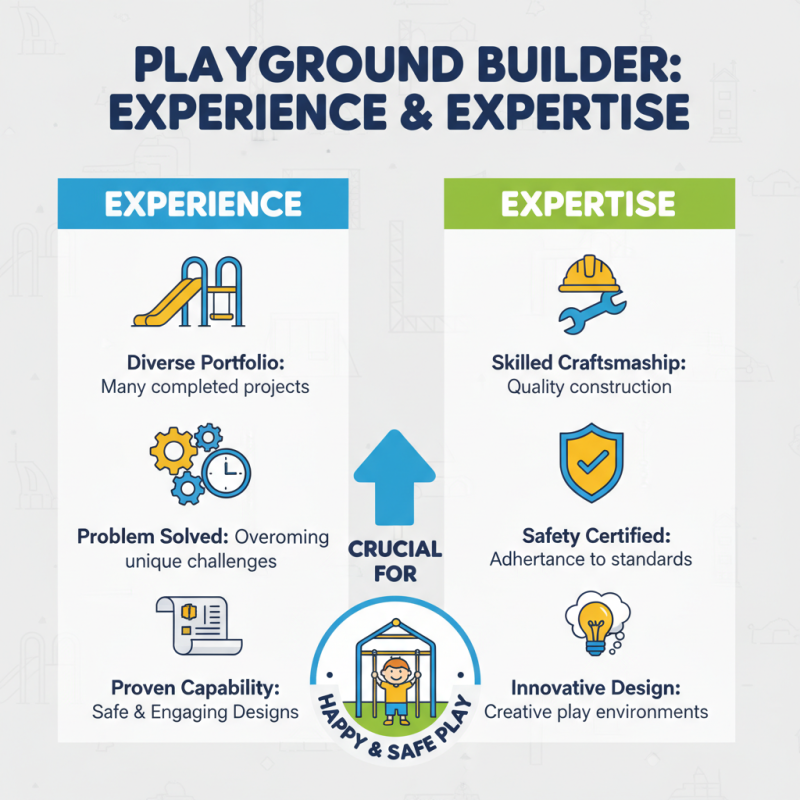
Choosing the right indoor playground builders for kids requires thorough research. One vital consideration is safety. Look for builders who prioritize high-quality materials. Inspect their safety certifications. An inspection certificate can tell you a lot about the equipment's safety standards.
Next, examine the builder's portfolio. A diverse range of projects indicates experience and creativity. Check if their designs cater to different age groups. Consider the layout and flow of the playground too. It should promote inclusivity for children of all abilities.
Communication is equally important. A responsive builder can help address issues promptly. If they lack clarity or delay responses, think twice. Reflecting on these aspects will guide you in making a well-informed decision.
Assessing Safety Standards and Compliance in Playground Design
When selecting indoor playground builders for kids, safety standards must be a top priority. Playgrounds should be fun, but safety cannot be compromised. Builders need to demonstrate a clear understanding of safety regulations. These regulations include materials used, play equipment design, and space layout. Each component should encourage safe play while minimizing injury risks.
Regular inspections of playgrounds ensure compliance with safety guidelines. Parents often overlook the importance of these checks. Builders might claim their designs are safe, but proof is essential. Additionally, builders should provide maintenance plans for the playground. Ongoing upkeep is vital to maintain safety over time.
The design process also requires careful consideration of children’s age and developmental stages. Not all play equipment is suitable for every age group. Builders must create areas that cater to various skill levels. Engaging spaces should keep kids active and engaged. However, it’s easy to mix styles and end up with a confusing layout. Planning and collaboration with parents can lead to a better outcome. Safety and fun should shape every decision made in the design phase.
Reviewing Client Testimonials and Case Studies for Insights
When selecting indoor playground builders, client testimonials can provide invaluable insights. They reflect real experiences that highlight both strengths and weaknesses. Look for feedback that discusses design adaptability, safety features, and customer service. If a client mentions issues with communication, it might be a red flag.
Case studies also help paint a clearer picture of a builder’s capabilities. They often detail project timelines, costs, and solutions to challenges faced during construction. Sometimes, case studies reveal oversights, like ignoring space constraints or safety protocols. Such details can be telling. They encourage you to ask deeper questions about the builder's processes.
Gathering diverse opinions is essential. Seek reviews from multiple sources. Analyze trends in the feedback. Consistent positives about creativity and engagement are promising. However, be cautious if several reviews mention delays or lackluster support. These discrepancies can guide you in your decision-making.
How to Choose the Best Indoor Playground Builders for Kids?
| Builder Type |
Years in Business |
Client Rating |
Highlighted Projects |
Client Testimonials |
| Custom Builders |
15 |
4.8/5 |
City Community Center, State Park Playground |
"They exceeded our expectations!" |
| Modular Installers |
10 |
4.5/5 |
Local School Districts, Private Play Centers |
"Quick, efficient, and friendly service!" |
| Eco-Friendly Builders |
8 |
4.7/5 |
Green City Parks, Eco Village Playground |
"Great to work with. The kids love it!" |
| Thematic Designers |
12 |
4.9/5 |
Adventure Island, Fantasy Park |
"Truly magical experience for children!" |
| Budget Builders |
5 |
4.2/5 |
Community Play Spaces, Low-Cost Facilities |
"Affordable and efficient!" |
Understanding Costs and Budgeting for Indoor Playground Projects
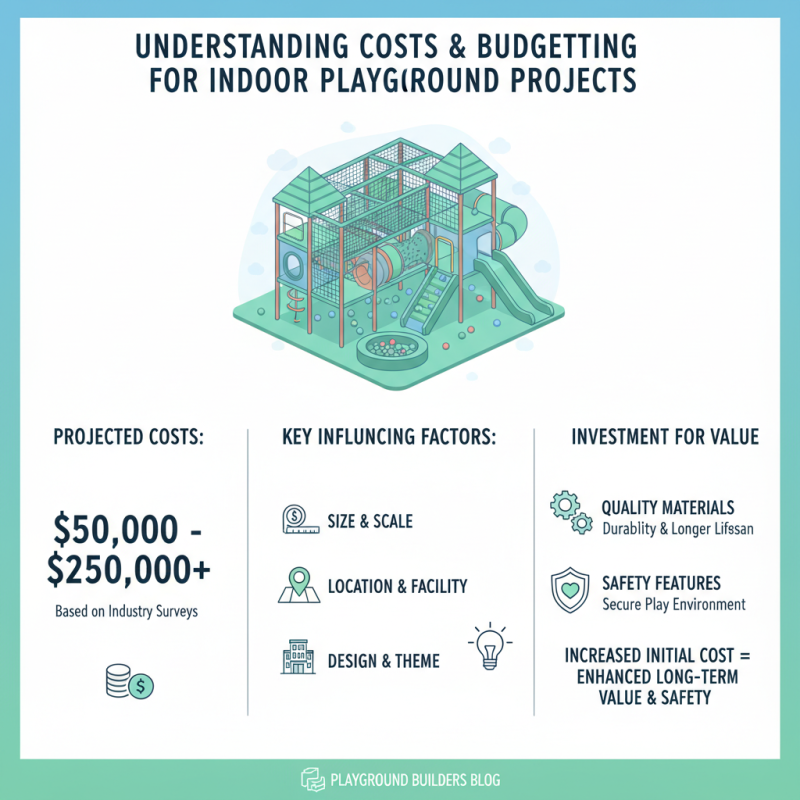
When budgeting for an indoor playground project, understanding costs is essential. Surveys show that constructing a playground can range from $50,000 to $250,000. Factors like size, location, and design heavily influence the overall budget. Quality materials and safety features can both raise costs significantly yet contribute to a longer lifespan and safer play environment.
Consider these tips when planning your budget. First, gather multiple quotes from different builders. This helps you compare prices and services. Second, prioritize safety features. Although they may increase initial costs, they are crucial for minimizing long-term liability. Lastly, don't forget to account for maintenance costs after installation. Regular upkeep can add up, often reaching around 10-15% of the initial investment per year.
Stay realistic about your project's scope. Your desired features may exceed your budget. It's wise to scale back on some elements for a more achievable plan. A well-thought-out budget not only prepares you for hidden costs but also ensures that your indoor playground will thrive for years to come.


 CONTACT NUMBER
 CONTACT NUMBER
 CONTACT NUMBER