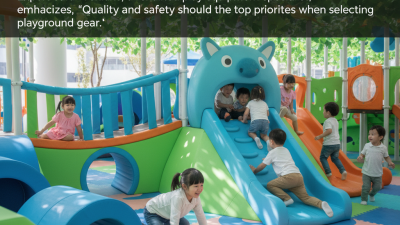
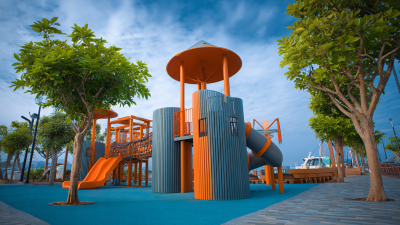
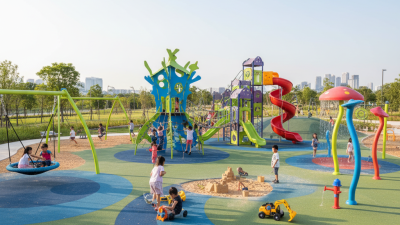
Why Choose the Best Play Area Equipment for Your Needs?
When selecting Play Area Equipment, one must consider various aspects. According to Dr. Mike Johnson, a prominent expert in child development, “Quality play areas foster imagination and learning.” This statement highlights the importance of choosing the right equipment for children’s growth.
Children thrive in environments that challenge them. Good Play Area Equipment is not just about fun; it also promotes physical and social development. For instance, climbing structures help enhance motor skills. Swings encourage social interactions. However, not all equipment is created equal. Safety and durability are crucial. Parents and organizations should assess their needs carefully.
Choosing Play Area Equipment can feel overwhelming. There are so many options available today. Some may appear attractive but lack essential safety features. Reflecting on the importance of quality is necessary. Quality equipment stands the test of time and ensures children's safety. Ultimately, making informed decisions will create a better play experience and enrich children’s lives.
Why Proper Play Area Equipment Enhances Child Development Outcomes
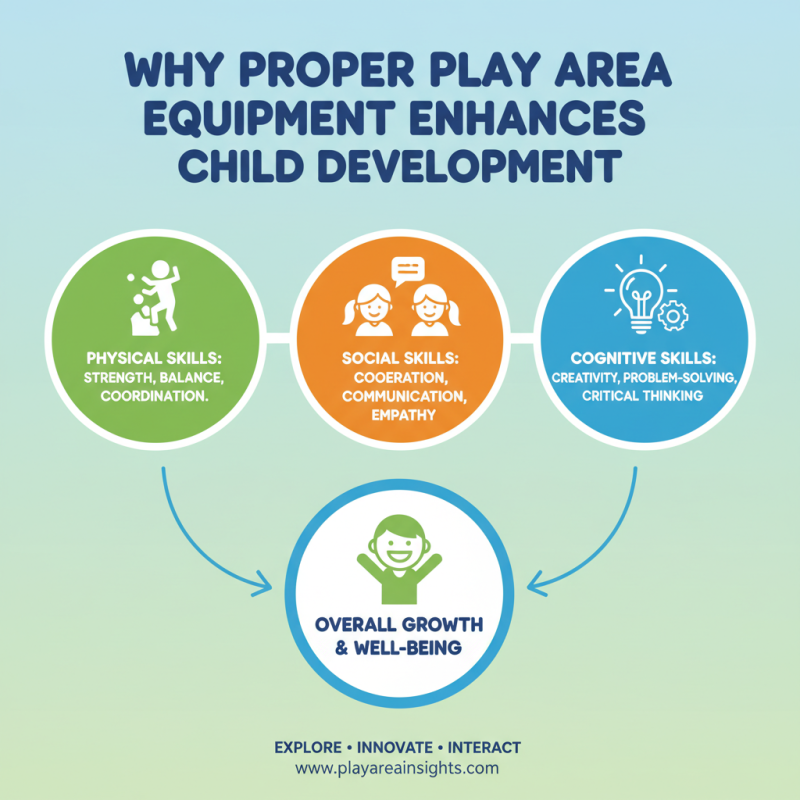
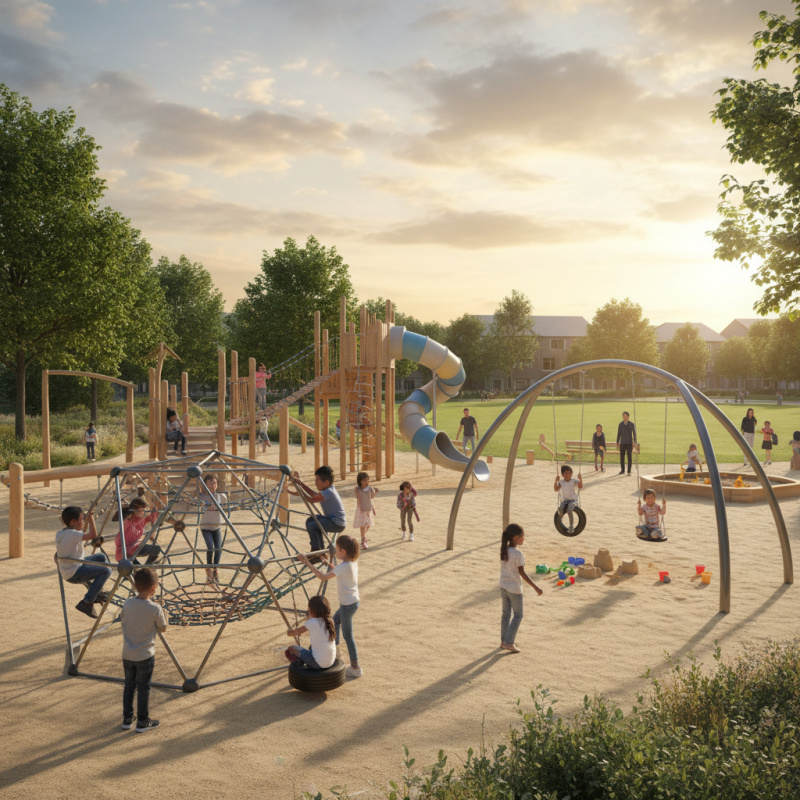
Choosing the right play area equipment can significantly impact child development. Proper equipment fosters physical, social, and cognitive skills. Play encourages children to explore, innovate, and interact with peers. These experiences are vital for overall growth.
When selecting equipment, consider the age and abilities of the children. Safety is paramount, but it should not compromise fun. Look for adaptable features that promote inclusivity. Thoughtful design can encourage various play types, from individual to group activities. It’s crucial to allow room for creativity and spontaneity during play.
**Tips:** Ensure equipment is sturdy and easy to clean. Use colorful designs to attract children’s attention. Observe how children engage with the equipment over time. Sometimes, they might gravitate toward a simpler structure. Reflect on their interests to make informed improvements in your play area's design.
Understanding Safety Standards and Regulations for Play Equipment Selection
Choosing the right play area equipment involves more than just aesthetics. Safety standards play a crucial role in ensuring children's well-being. According to the U.S. Consumer Product Safety Commission, approx. 200,000 children visit emergency rooms yearly due to playground-related injuries. Understanding safety regulations is vital in selecting equipment that minimizes risks.
One essential guideline is compliance with the ASTM F1487 standard. This standard outlines safety performance specifications for play structures. It's crucial to evaluate equipment for proper design, anchor systems, and appropriate materials. Using equipment designed for specific age groups further reduces injury risk.
Tips: Always look for equipment with soft landing surfaces. This can significantly cushion falls. Regular maintenance checks can help identify wear and tear, which can prevent accidents. Additionally, consider incorporating natural barriers or shade to enhance safety and comfort.
Play Area Equipment Safety Standards Compliance
Evaluating the Durability and Maintenance Needs of Play Area Equipment
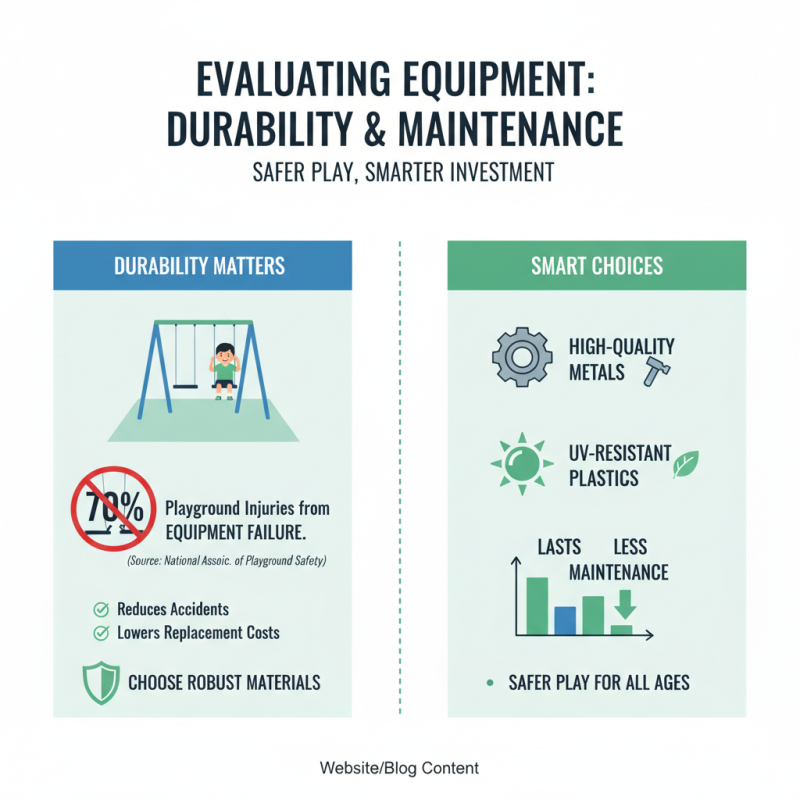
When selecting play area equipment, durability often takes the front seat. According to the National Association of Playground Safety, over 70% of playground injuries occur due to equipment failure. This statistic highlights the importance of choosing materials that withstand wear and tear. Equipment made from high-quality metals and UV-resistant plastics can last for years, reducing replacement costs.
Regular maintenance is crucial. A report from the American Society for Testing and Materials states that 30% of all playground injuries are linked to lack of maintenance. Inspections should occur frequently to identify issues like rust, loose bolts, or surface wear. Consider the ease of accessing components when evaluating equipment. Complex structures may require more specialized maintenance, which can strain budgets and resources.
Incorporating durable materials is essential, but it's not always straightforward. Sometimes, cost-effective options may seem attractive at purchase but lead to frequent repairs. Reflecting on past experiences can guide decisions. It's vital to strike a balance between upfront cost and long-term durability. Choosing the best might not always mean the most expensive or flashy option.
Exploring Inclusive Play Equipment Options for Diverse Needs
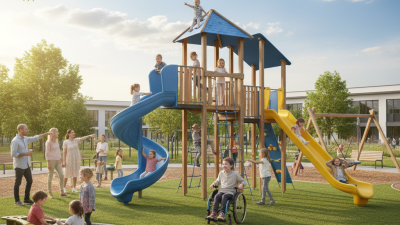
In today's world, inclusive play is vital. Playgrounds must accommodate children of all abilities. This means providing equipment that supports various needs. Imagine a swing designed for wheelchair users. It allows everyone to enjoy the joy of swinging. Such options promote social interaction, critical for developing friendships.
Consider sensory play equipment. Items like textured panels can engage children with sensory-seeking behaviors. They invite touch and exploration, encouraging learning through play. Additionally, balance beams that cater to different skill levels can challenge and inspire confidence.
Many play areas fall short. They often lack equipment for everyone. It is crucial to consult experts when designing inclusive spaces. This collaboration can help identify the specific needs of the community. Every child deserves a chance to play, and striving for inclusivity is key.
Cost-Effectiveness Analysis of Investing in High-Quality Play Equipment
Investing in high-quality play area equipment is a crucial decision. It impacts children's development, safety, and enjoyment.
Analyzing cost-effectiveness helps clarify this investment. While initial costs may be higher, the long-term benefits are significant.
Durable equipment requires less frequent replacement, saving money over time.
Quality materials ensure safety. Cheaper alternatives might seem appealing, but they often come with hidden costs.
Regular maintenance and repairs can add up quickly. High-quality equipment minimizes these risks, leading to fewer accidents.
It also fosters trust among parents, boosting your community's reputation.
Consider the value of children’s well-being. Engaging play promotes physical activity and social skills.
Investing wisely means choosing equipment that meets safety standards and enhances play experiences.
Reflect on how your choices influence children's lives. Prioritizing quality will create lasting benefits for families and communities alike.


 CONTACT NUMBER
 CONTACT NUMBER
 CONTACT NUMBER