How to Choose the Best Indoor Play Structures for Kids?
Choosing the best Indoor Play Structures for kids is more than just a purchase; it's an investment in their development. According to a report by the International Association of Amusement Parks and Attractions (IAAPA), play structures can enhance social skills, physical fitness, and creativity among children. Hence, selecting the right one is crucial.
Dr. Emily Carter, an expert in child development, emphasizes, "The structure of play environments significantly impacts children's growth." This highlights the need for thoughtful consideration when choosing Indoor Play Structures. Parents and caregivers must evaluate materials, safety standards, and age-appropriateness. Quality matters, but so does engagement. A well-designed play structure can encourage imaginative play and social interaction.
However, many parents struggle with the overwhelming variety on the market. There are structures that may look appealing but lack essential safety features. Therefore, it's important to research thoroughly and seek expert advice. Inconsistent quality and safety can lead to accidents, ultimately affecting children's experiences. Engaging with professionals can help guide you in making informed decisions.
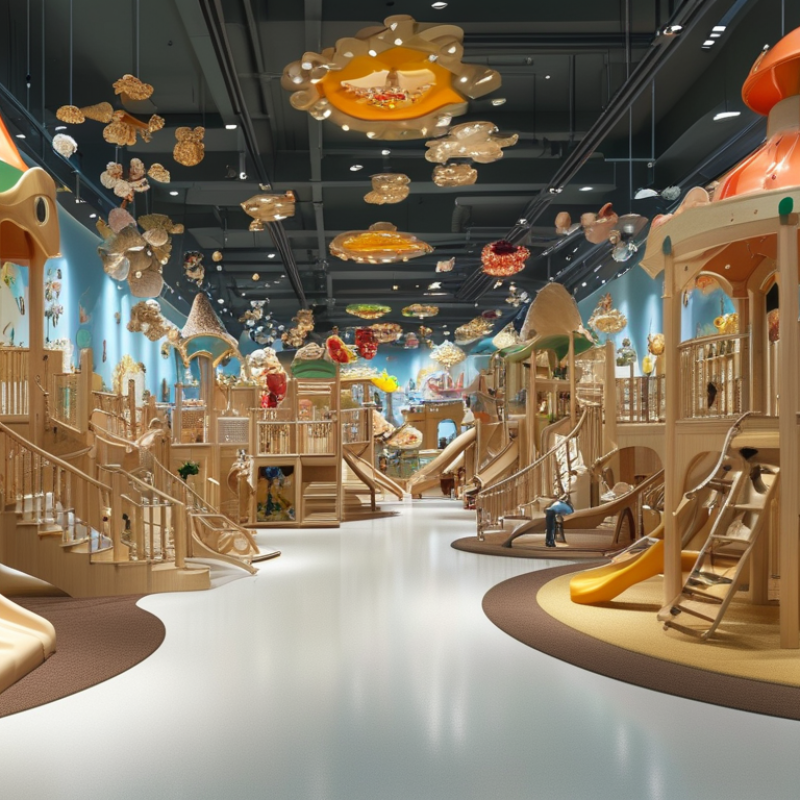
Understanding the Importance of Indoor Play Structures for Child Development
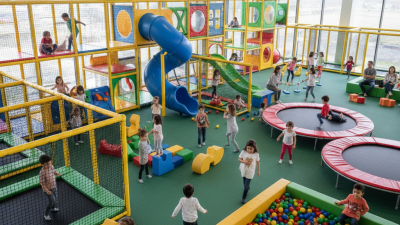
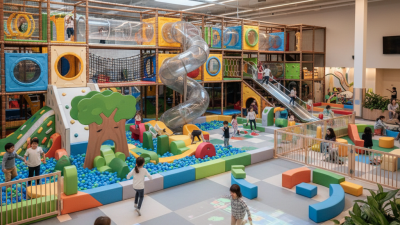
Indoor play structures are vital for children's development. They provide opportunities for physical activity, enhancing coordination and strength. Kids navigate slides, climb walls, and explore tunnels. Each movement builds their motor skills. They also learn how to take turns and share spaces with peers.
The sociocultural aspect of play is notable. Engaging with others fosters communication skills. Children negotiate rules and express emotions while playing. This interaction helps develop their social awareness. However, some may struggle with sharing, highlighting areas for growth. Reflecting on these challenges can guide adults in facilitating better play experiences.
Moreover, indoor play structures can spark creativity. When children improvise games or stories in these spaces, their imagination thrives. Not all kids will adapt quickly, though. Some may feel overwhelmed or shy, which calls for patience and encouragement. Observing these dynamics can inform how caregivers set up playtime.
Key Factors to Consider When Choosing Indoor Play Structures
When selecting indoor play structures for kids, safety is paramount. Check materials used in the construction. Ensure they are non-toxic and sturdy enough to withstand rough play. Look for rounded edges to prevent injuries. The play structure should conform to safety standards. A well-built structure promotes worry-free play.
Another key factor is space. Measure the designated area before making any decisions. An appropriately sized structure allows for mobility without clutter. Consider how the play structure interacts with the room's layout. Kids need open space around it to play freely.
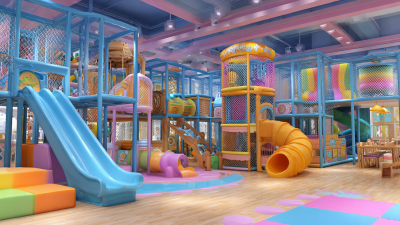
Engagement features are also essential. Choose structures that offer a range of activities. Slides, climbing elements, and tunnels keep children interested. However, too many features can overwhelm. Balance is important. Regularly assess how often your kids use different parts. This will help you understand what piques their interest.
Safety Standards and Material Quality in Indoor Play Equipment
When choosing indoor play structures for kids, safety standards and material quality are paramount. According to the American Society for Testing and Materials (ASTM), reliable play equipment must meet rigorous safety guidelines. These standards ensure that play structures are tested for hazards like sharp edges and unstable bases. Parents should prioritize equipment that adheres to these standards to reduce the risk of injury.
Material quality plays a crucial role in durability and safety. Non-toxic, heavy-duty plastics and certified woods are preferable, as they are less likely to break or splinter. A recent study highlighted that 70% of reported injuries occurred with poorly constructed equipment. This statistic underlines the importance of not only choosing the right play structure but also understanding the materials used.
Additionally, it’s essential to routinely inspect indoor play equipment for wear and tear. Regular maintenance can prevent accidents. Some parents may overlook this aspect, thinking new equipment is inherently safe. Such assumptions can lead to consequences if unnoticed issues arise. Therefore, understanding regarding material quality and adhering to safety standards is vital for a safe play environment.
Indoor Play Structures Safety Standards and Material Quality
Assessing Space and Layout for Indoor Play Structures
When selecting indoor play structures for children, assessing the available space and layout is crucial. The layout directly impacts how kids engage with these structures. According to the International Play Equipment Manufacturers Association, about 70% of parents prioritize safety and space efficiency in play areas. Pay close attention to the dimensions of the play structures. Ensure they fit comfortably within your designated play area for safe and enjoyable experiences.
Consider the flow of movement within the space. A study from the American Journal of Play highlights that well-designed layouts can enhance children's physical activity by 30%. Open spaces allow for free movement, reducing congestion. Think about pathways around the play structure. They should promote exploration and avoid bottlenecks. It might be beneficial to visualize the layout using simple sketches or floor plans before installation.
Lastly, assess potential safety hazards. What furniture exists nearby? Are there sharp corners or hard surfaces? According to a report by the National Playground Safety Institute, improper spacing can lead to injury. It’s essential to reflect on how these features interact. Adjustments can often improve safety and access. Balancing fun and safety can be challenging but is vital for a positive play environment.
How to Choose the Best Indoor Play Structures for Kids?
| Structure Type |
Recommended Age |
Space Required (sq ft) |
Safety Features |
Estimated Cost ($) |
| Climbing Wall |
5-12 years |
50 |
Padding, Grip Holds |
400-800 |
| Indoor Slide |
3-8 years |
30 |
Railings, Soft Landing |
150-300 |
| Playhouse |
3-10 years |
40 |
Non-toxic Materials, Sturdy Structure |
200-500 |
| Ball Pit |
1-6 years |
25 |
Safety Net, Soft Edges |
100-250 |
| Obstacle Course |
6-12 years |
60 |
Padded Flooring, Clear Pathways |
300-700 |
Budgeting for Indoor Play Structures: Cost vs. Value Analysis
When budgeting for indoor play structures, it’s crucial to analyze the cost versus value. A report from the American Association of Interior Designers states that families spend an average of $200 to $1,500 on indoor play equipment. This range can often leave parents feeling overwhelmed. Identifying your budget is essential. Knowing what you can afford will help narrow options.
Value doesn’t just equate to price. Consider longevity, safety, and educational benefits. A study published in the Journal of Child Development highlights that quality play structures can boost children’s creativity and social skills. Investing in a sturdy, well-designed structure may be pricier upfront but costs less in the long run. Look for materials that are non-toxic and durable. Consider structures with multiple uses, as they provide extended play options.
Tips: Always read customer reviews. They often reveal hidden issues. Check the warranty details, as a good warranty can signal quality. Finally, reflect on your space needs. Ensure the structure fits comfortably without overcrowding your play area. Balancing budget and value can make playtime rewarding for your children.


 CONTACT NUMBER
 CONTACT NUMBER
 CONTACT NUMBER