Best Tips for Choosing Playground Apparatus for Kids?
Choosing the right playground apparatus for kids can make all the difference in their play experience. Expert in child development, Dr. Emily Carter, emphasizes, “Safe and engaging playground apparatus fosters creativity and social skills.” This insight underscores the importance of carefully selecting equipment that supports both safety and play.
When considering playground apparatus, there are several factors to keep in mind. Material quality is key; it should be durable yet safe for children. The design must encourage active play while minimizing risks of injury. Remember, not all playgrounds are created equal. Some apparatus may seem fun but lack essential safety features, leading to potential accidents. Parents must stay informed about these details.
Involving kids in the decision can also spark excitement. Children often have preferences that adults overlook. Balancing their desires with safety standards creates a better environment. Ultimately, selecting playground apparatus requires a mix of expert advice, personal reflection, and open communication with the young users. This approach not only enhances playtime but also builds a community of safe exploration.
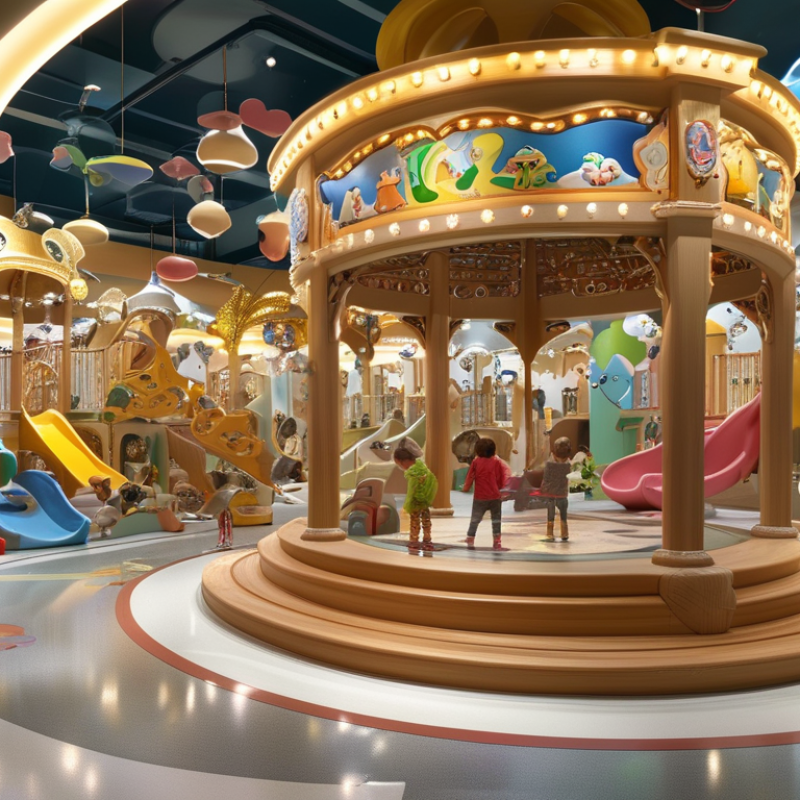
Factors to Consider When Selecting Playground Equipment for Children
Choosing playground equipment for children is a crucial task. Safety is a primary concern. According to the American Society for Testing and Materials (ASTM), nearly 200,000 children are injured on playgrounds each year. Selecting equipment that meets safety standards will help mitigate these risks.
Durability is another essential factor. Outdoor equipment faces various weather conditions. A study by the National Association of Recreation Professionals indicates that properly selected equipment can last over 10 years with minimal maintenance. Opt for materials that resist rust and UV damage.
Consider age-appropriate designs. According to the Centers for Disease Control and Prevention (CDC), children develop motor skills in stages. Equipment should cater to different age groups to ensure engagement and safety. For instance, toddlers need lower structures with soft materials, while older kids may enjoy climbing and balancing challenges. Each piece should foster healthy physical activity while promoting social interaction, which is valuable for child development. Make informed choices that support a child's growth and safety on the playground.
Best Tips for Choosing Playground Apparatus for Kids
| Factor |
Description |
Safety Rating |
Recommended Age Group |
| Material |
Durable and weather-resistant materials like metal and high-density plastic |
High |
2-12 years |
| Age Appropriateness |
Select equipment that matches the developmental stage of children |
Varies |
1-5 years, 5-12 years |
| Safety Features |
Include features like rounded edges, non-slip surfaces, and adequate spacing |
High |
All ages |
| Maintenance |
Easily maintained equipment to ensure longevity and safety |
Moderate |
All ages |
| Accessibility |
Equipment should be accessible to children of all abilities |
High |
All ages |
Understanding Different Types of Playground Apparatus Available
When exploring playground apparatus, it’s essential to understand the different types available. Play structures can include swings, slides, climbing walls, and more. Each category serves different age groups and skill levels. Swings are great for toddlers, as they promote balance and coordination. Slides can vary in height and design, accommodating various age ranges.
Choosing the right equipment requires careful consideration. Safety should always come first. Look for apparatus with rounded edges and sturdy materials. Ensure the play surface is soft, like mulch or rubber. A vibrant color scheme can enhance children's interest, making the space more inviting.
Think about inclusivity as well. Some children might need modified equipment to enjoy playtime just as much as their peers. Balance out fun with functional features. For instance, climbing structures should offer different levels of difficulty. This keeps more skilled children engaged while still allowing beginners to play safely. Remember to assess your playground regularly for wear and tear. Prioritize safety alongside enjoyment, ensuring that the apparatus stimulates both physical and social development.
Best Tips for Choosing Playground Apparatus for Kids
Safety Standards and Regulations for Children's Play Equipment
When selecting playground apparatus for children, safety is paramount. Various safety standards and regulations exist to guide this process. Organizations such as the ASTM International and the CPSC set forth guidelines that cater specifically to children's play equipment. Ensuring that equipment meets these standards is essential in creating a safe environment. Look for age-appropriate designs that mitigate risks. Equipment should be sturdy, stable, and made from non-toxic materials.
Regular maintenance is crucial to compliance with safety standards. Inspect equipment frequently for wear and tear. Even small defects can lead to accidents. Surfaces should be cushioned with materials like rubber or soft mulch to absorb impacts. These surfaces help reduce injuries significantly. It’s important also to encourage supervised play, especially for younger children.
Parents and educators should educate children on safety norms. Teach them to use the equipment properly. Overcrowding can increase the risk of accidents. While many playgrounds meet safety regulations, not all do. Visiting well-reviewed parks can provide insights into good practices. It’s essential to share experiences and observations with other parents. Small adjustments can lead to a safer play area for all children.
The Importance of Age Appropriateness in Playground Design
When designing playgrounds, age appropriateness is crucial. Children of different ages require different types of equipment.
For instance, toddlers need softer surfaces and lower structures. Their recreational activities should be safe and promote motor skills.
Too much height or complexity can lead to accidents.
Older children, on the other hand, thrive on challenges. They benefit from climbing structures and interactive play features.
These can help develop strength and coordination. However, they also need supervision to ensure safety. Understanding these differences is essential for any playground designer.
It’s important to reflect on usability. Some equipment may look appealing but may not cater to specific age groups effectively.
Observing children at play can highlight issues. Watching them interact helps designers adapt features. Balancing fun and safety isn’t easy,
but it’s worth the effort. Each decision shapes a child's play experience.
Tips for Maintenance and Upkeep of Playground Apparatus
Maintaining playground apparatus is vital for safety and longevity. Regular inspections are essential. According to the U.S. Consumer Product Safety Commission, 70% of playground injuries can be prevented through proper maintenance. This statistic underlines the importance of being diligent.
One effective tip is to create a maintenance schedule. Inspect equipment for signs of wear, rust, or damage. Look closely at swing chains and slide edges. Ensure surfaces, like rubber or wood chips, are intact. Immediate repairs can save money and improve safety.
Cleaning is also crucial. Remove debris and check for any harmful materials. Use non-toxic cleaners to maintain safety. Proper sanitization reduces germs, especially during flu seasons. A clean play area is more inviting. It encourages kids to play while keeping them healthy.
Regular upkeep reflects commitment to child safety. Engaging local communities can help with maintenance tasks. Parents and caregivers should participate. This builds a sense of responsibility. Although challenging, consistent effort leads to better play environments.


 CONTACT NUMBER
 CONTACT NUMBER
 CONTACT NUMBER