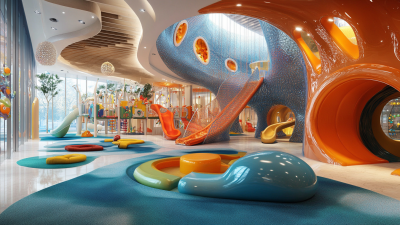
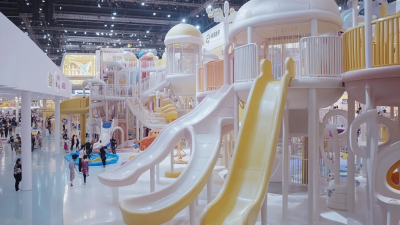
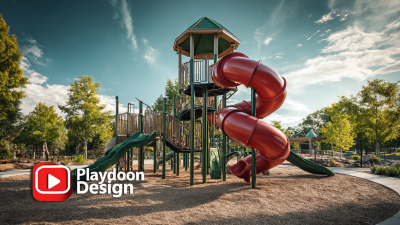
Best Park Playground Equipment for Outdoor Fun and Safety?
Park playground equipment plays a vital role in children's outdoor activities. According to the National Association for Sport and Physical Education, children should spend at least 60 minutes a day engaged in physical activity. Quality park playground equipment can foster this engagement, providing both fun and safety.
When selecting playground equipment, safety should be a top priority. A report by the Consumer Product Safety Commission states that over 200,000 children visit hospital emergency rooms annually due to playground-related injuries. This underscores the need for equipment that meets rigorous safety standards. Choosing certified equipment can reduce risks while encouraging kids to explore and socialize.
It is essential, however, to realize that even the best equipment can present challenges. Regular maintenance is necessary to keep park playground equipment in good condition. Local authorities must prioritize these efforts. Without them, the benefits of outdoor fun can be overshadowed by hazards. Investing in quality playground solutions is crucial for creating safe, inviting spaces for children to thrive.
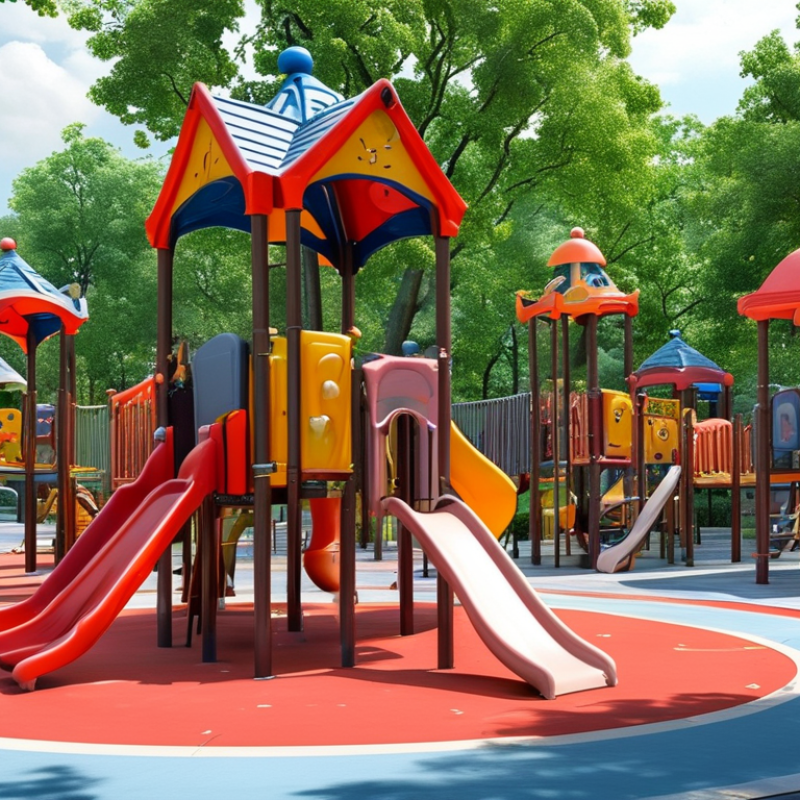
Best Practices in Selecting Playground Equipment for Child Safety
Selecting playground equipment that prioritizes child safety is crucial for any park. According to the Consumer Product Safety Commission (CPSC), over 200,000 injuries occur each year related to playgrounds. This highlights the need for careful assessment. Choose equipment made from durable, high-quality materials. Check for compliance with safety standards set by organizations like ASTM International.
It's essential to consider the design and layout of playgrounds. Spaces should promote supervised play and minimize accidents. A study from the National Program for Playground Safety suggests that well-organized play areas can reduce injury risks by 30%. Ensure that equipment is age-appropriate. Younger children require softer surfaces and lower structures to play safely.
Even with the best practices, issues can arise. Regular maintenance is often overlooked. Inspections should happen frequently to identify wear and tear. More than 10% of playgrounds fail safety inspections, according to playground safety audits. This indicates a gap that needs addressing. Children deserve safe spaces to explore and play, and it's the responsibility of adults to provide that.
Key Features of Durable Playground Equipment for Long-Term Use
When looking for playground equipment, durability is key. High-quality materials ensure safety and long-lasting enjoyment. Metal and heavy-duty plastics are great choices. These materials withstand weather, wear, and tear from regular use.
Consider the design of the equipment. Smooth edges and reinforced joints enhance safety. Ensure components are easy to assemble and can be replaced if needed. Look for equipment that is also easy to maintain. Regular inspections help to prolong the life of playground structures.
Tips for long-term use include:
- Rotate equipment regularly to prevent uneven wear.
- Store moveable parts indoors during harsh weather.
- Inspect for rust or damage and address issues quickly.
Investing in robust playground equipment provides children with safe outdoor fun. With the right choices, you create a space that fosters play and exploration.
Best Park Playground Equipment for Outdoor Fun and Safety
Statistics on Injury Rates Associated with Playground Equipment Types
Playground safety is a crucial topic for parents and caregivers. Recent studies reveal alarming statistics regarding injury rates associated with different types of playground equipment. According to the National Program for Playground Safety, over 200,000 children visit emergency rooms each year due to playground-related injuries. This data highlights the importance of selecting safe equipment.
Swings and slides are common injury hotspots. Injuries from swings account for roughly 20% of all playground-related cases. Many incidents occur when children fall or collide with others. On the other hand, slides often lead to head injuries, representing about 30% of slide-related incidents. These statistics remind us of the pressing need for monitoring child activity in these areas.
Safety also varies by material. Research indicates that equipment made of plastic has lower injury rates compared to metal structures. Metal equipment can heat up in the sun, increasing burn risks. Moreover, sturdy, well-maintained surfacing around playgrounds reduces the chance of severe injuries from falls. Regular inspections and updates are vital for keeping playgrounds safe and fun. Maintaining safe standards is an ongoing challenge that requires community effort.
Best Park Playground Equipment for Outdoor Fun and Safety
| Equipment Type |
Injury Rate (%) |
Recommended Age Group |
Material |
| Swings |
40% |
2-12 years |
Steel, Plastic |
| Slides |
20% |
2-12 years |
Plastic, Metal |
| Climbing Structures |
25% |
3-12 years |
Wood, Metal |
| Seesaws |
30% |
3-10 years |
Wood, Plastic |
| Playhouses |
10% |
2-8 years |
Plastic, Wood |
Guidelines for Appropriate Age-Related Playground Equipment Choices
Choosing playground equipment based on age is crucial for ensuring safety and fun. Young toddlers, typically aged 2 to 5, require softer surfaces and lower structures.
Equipment should have gentle slides and low climbing features. Materials should be safe, avoiding sharp edges or toxic substances. Parents can feel assured when they see rounded corners and cushioned landings.
For older children, ages 5 to 12, the design becomes more complex. Equipment like climbing walls or swings should be height-appropriate. Safety barriers are important here, but they can sometimes feel limiting to adventurous kids. It's vital to balance thrill with security.
High-energy activities attract kids, but they should never compromise safety.
While selecting playground equipment, easy access is a key factor. Ensure there are pathways for everyone, including those with disabilities. Not all parks have this, and it raises concerns.
Regular maintenance checks should be standard practice. It highlights the need for ongoing safety assessments. Reflections on the availability and condition of playgrounds can lead to significant improvements.
Innovative Materials in Playground Design for Enhanced Safety and Fun
In recent years, playground design has undergone significant evolution. Innovative materials are now at the forefront of enhancing safety and fun. According to the International Playground Equipment Manufacturers Association, 70% of playground injuries occur due to falls. Thus, using shock-absorbent materials like rubber tiles or synthetic turf can significantly reduce the risk. These materials not only provide a softer landing but also offer durability against weather changes.
Tips: Ensure that all playground surfaces are free of sharp objects. Regular maintenance is essential to keep the area safe.
Various innovations, like anti-microbial coatings and non-toxic finishes, are becoming standard. These materials ensure that children interact with safer surfaces. Research by the National Safety Council indicates that utilizing these innovations could lower injury rates by up to 40%. Textured grips and rounded edges in equipment design also help prevent accidents, promoting safer play experiences for children.
Tips: Inspect playgrounds regularly for wear and tear. Educate caregivers on the importance of supervision.
Despite these advancements, some designs may lack variety. Monotonous play structures can diminish children's engagement. Continuous feedback from users should guide future designs to ensure that they meet the developmental needs of children effectively.


 CONTACT NUMBER
 CONTACT NUMBER
 CONTACT NUMBER