How to Choose the Best Garden Playing Equipment for Kids' Fun and Safety
When it comes to creating a joyful and safe outdoor environment for children, the right selection of garden playing equipment is crucial. With a wide array of options available, parents can easily find equipment that not only sparks joy and encourages physical activity but also prioritizes safety. From swings and slides to climbing frames and interactive playsets, understanding the features and benefits of various garden playing equipment can greatly enhance the play experience for children.
Safety should always be the primary concern when choosing garden playing equipment. Parents must ensure that the equipment meets safety standards, is made from durable materials, and is suitable for the ages and abilities of their children. Additionally, considering the layout and conditions of the garden space is essential to select equipment that fits well and provides ample room for safe play.
Ultimately, the goal is to create an enjoyable outdoor area that promotes active play while minimizing risks. By carefully assessing the options available, parents can make informed decisions that support their children's fun and safety, ensuring that their garden becomes a haven for imaginative play and physical activity.
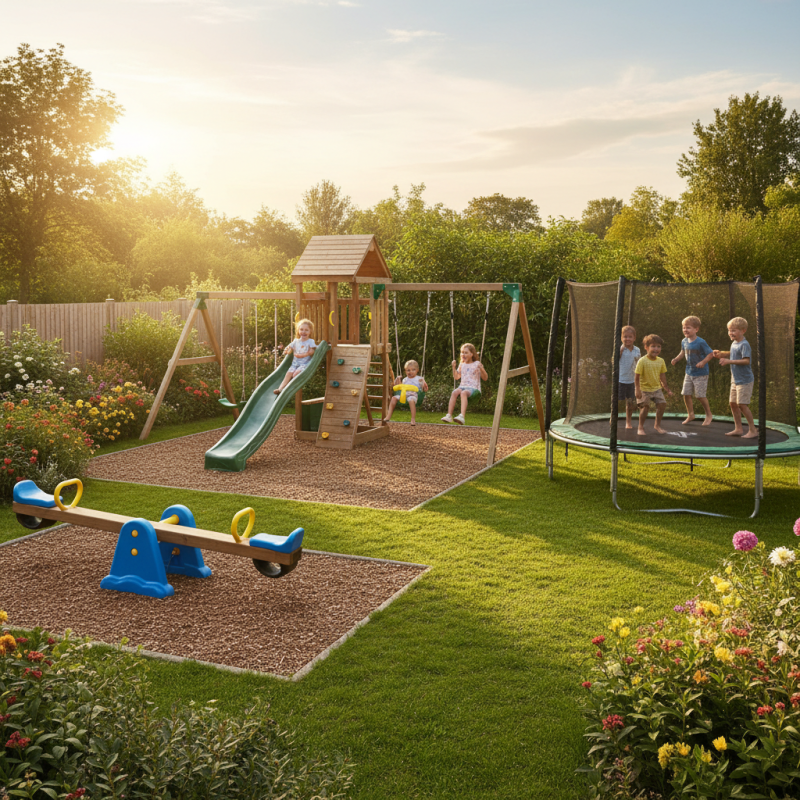
Factors to Consider When Selecting Garden Play Equipment for Children
When selecting garden play equipment for children, safety should be the foremost consideration. This includes ensuring that the materials used in the construction of the equipment are
non-toxic, durable, and designed to withstand weather conditions while being resistant to rust and decay. Additionally, all edges and surfaces should be smoothed to prevent injuries. The equipment should be placed on a safe surface, such as grass or rubber mats, which can help absorb impacts during falls. Regular maintenance checks are also essential to ensure that any wear and tear is promptly addressed.
Another important factor is age appropriateness. Garden play equipment should match the developmental stages and abilities of the children who will be using it. Different age groups require different sizes, heights, and features in play structures to ensure they can enjoy themselves safely. For instance, smaller children might benefit from lower slides and enclosed areas, while older kids may enjoy climbing frames and swings with more complex designs. Lastly, ensuring that the equipment can accommodate multiple children can enhance social play and encourage teamwork, making outdoor play more engaging and enjoyable.
Understanding Age-Appropriate Play Equipment: Safety and Fun
When selecting garden play equipment for children, understanding age-appropriate options is essential for ensuring both safety and enjoyment. Younger children, such as toddlers and preschoolers, typically benefit from equipment that promotes basic motor skills and imaginative play. Soft surfaces, low heights, and rounded edges are important features to look for in swings, slides, or climbing structures designed for this age group. Additionally, vibrant colors and engaging themes can enhance the play experience, encouraging creative role-playing and physical activity.
As children grow, their play needs evolve, necessitating equipment that challenges their developing skills while ensuring safety. For school-aged kids, options like climbing walls, more complex slides, and interactive playsets can help enhance coordination and strength. However, it remains critical to ensure that all equipment is constructed from durable, non-toxic materials and adheres to safety standards. Regular maintenance checks are also key to preventing injuries, as worn-out parts or unstable structures can pose substantial risks. By choosing equipment suitable for their age, parents can create a safe environment that supports children's physical growth and fosters social interactions through play.
How to Choose the Best Garden Playing Equipment for Kids' Fun and Safety - Understanding Age-Appropriate Play Equipment: Safety and Fun
| Equipment Type |
Recommended Age |
Safety Features |
Fun Factor |
| Swing Set |
3 - 12 years |
Sturdy frame, soft anchors, non-slip handles |
High |
| Slides |
2 - 10 years |
Rounded edges, safety barriers, durable materials |
Medium |
| Climbing Frames |
4 - 12 years |
Stable base, non-slip steps, protective padding |
High |
| Sand Pits |
2 - 8 years |
Low sides, non-toxic materials, cover for safety |
High |
| Trampolines |
6 - 14 years |
Safety net, padded edges, weight limit signs |
Very High |
| Playhouses |
2 - 8 years |
Stable structure, rounded corners, non-toxic paint |
Medium |
Evaluating Safety Standards: What to Look for in Outdoor Play Gear
When selecting outdoor play equipment for children, safety standards should be at the forefront of your considerations. According to a report by the American Society for Testing and Materials (ASTM), products designed for children's play must adhere to rigorous safety guidelines to minimize the risk of injury. Look for equipment that has been tested and certified by recognized bodies, ensuring that materials used are non-toxic and the design is age-appropriate. Equipment should have rounded edges, non-slip surfaces, and adequate height restrictions to prevent falls.
Tips for parents include checking the equipment for stability before purchase; it should not wobble or tip over easily. Additionally, ensure that the play area contains soft ground coverings, such as mulch or rubber mats, which can significantly reduce the impact of falls—research shows that such surfaces can decrease injury rates by up to 50%. Regular maintenance is also crucial; inspect the equipment periodically for any wear and tear, as damaged equipment can pose hidden dangers.
Understand that outdoor play gear should comply with local safety regulations, which vary by region. Familiarize yourself with these guidelines and consider equipment designed with safety features, such as safety nets or guardrails, which can further enhance security for active play. Prioritizing safety will provide peace of mind while encouraging kids to explore and enjoy the great outdoors.
Materials and Durability: Ensuring Long-Lasting Play Equipment
When selecting garden play equipment for kids, one of the most critical factors to consider is the materials used in their construction. Safe and durable materials not only ensure a longer lifespan but also contribute to a secure environment for children at play. Wood, for instance, is a popular choice for playsets and climbing structures. It is sturdy and can withstand various weather conditions. However, it is essential to choose treated wood that resists rot and insect damage, providing a safe space for children to explore their physical abilities.
Another material often used in playground equipment is metal. Galvanized steel, for example, is resistant to rust and corrosion, making it suitable for outdoor installations. When opting for metal equipment, ensure that edges are smooth and surfaces are coated to prevent injuries. Additionally, plastic components, such as those found in slides and swings, should be UV-stabilized to avoid fading and cracking due to sun exposure. By ensuring the play equipment is made from long-lasting materials, parents can provide a fun and safe environment that will withstand the test of time and numerous playdates.
Material and Durability Comparison of Garden Playing Equipment
The Importance of Space Planning for Garden Play Areas and Equipment
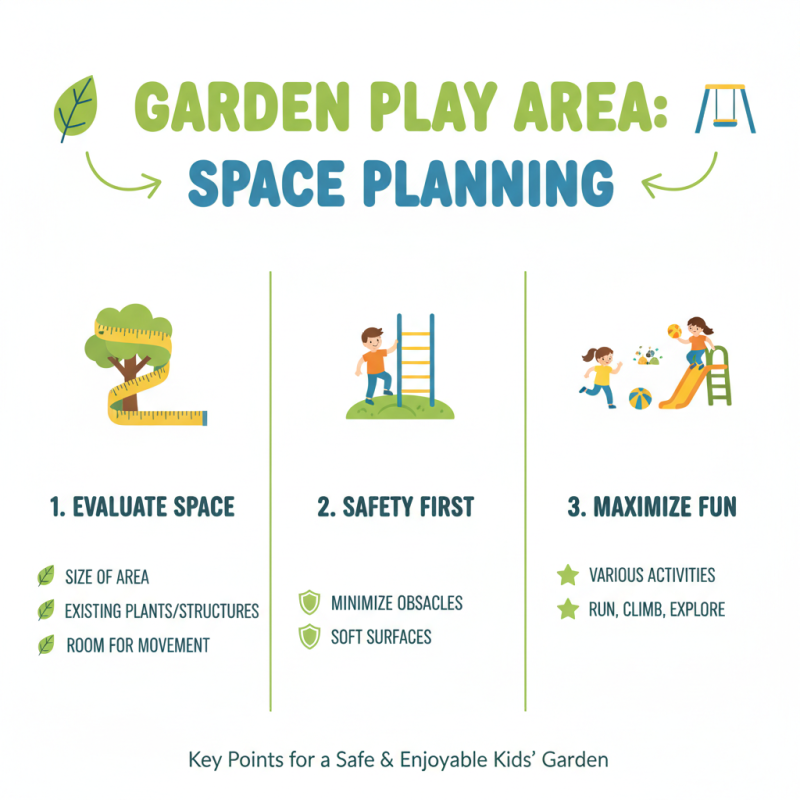
When planning a garden play area for children, space planning is a crucial aspect that often determines the safety and enjoyment of the environment. Before selecting play equipment, it's essential to evaluate the available space in your garden. Consider factors such as the size of the area, the layout of existing plants and structures, and how much room is needed for children to play safely. Adequate space not only allows for various activities but also minimizes the risk of accidents; children need room to run, climb, and explore without the threat of hitting obstacles or falling into hard surfaces.
Effective space planning also involves considering the age and number of children who will be using the area. Tailoring the arrangement of equipment can encourage social interaction and cooperative play while ensuring that younger children are protected from potential hazards associated with larger play structures. Additionally, incorporating designated zones for different activities—such as climbing, sliding, or imaginative play—can enhance the overall functionality of the space. By thoughtfully organizing the garden layout, parents can create a vibrant play area that caters to the developmental needs of children while prioritizing their safety and well-being.


 CONTACT NUMBER
 CONTACT NUMBER
 CONTACT NUMBER